As a global Partnership, we believe in internationalism. We have translated as much content in your language as our resources allow. Please visit the English language site to view all of our content.

Press enter for results
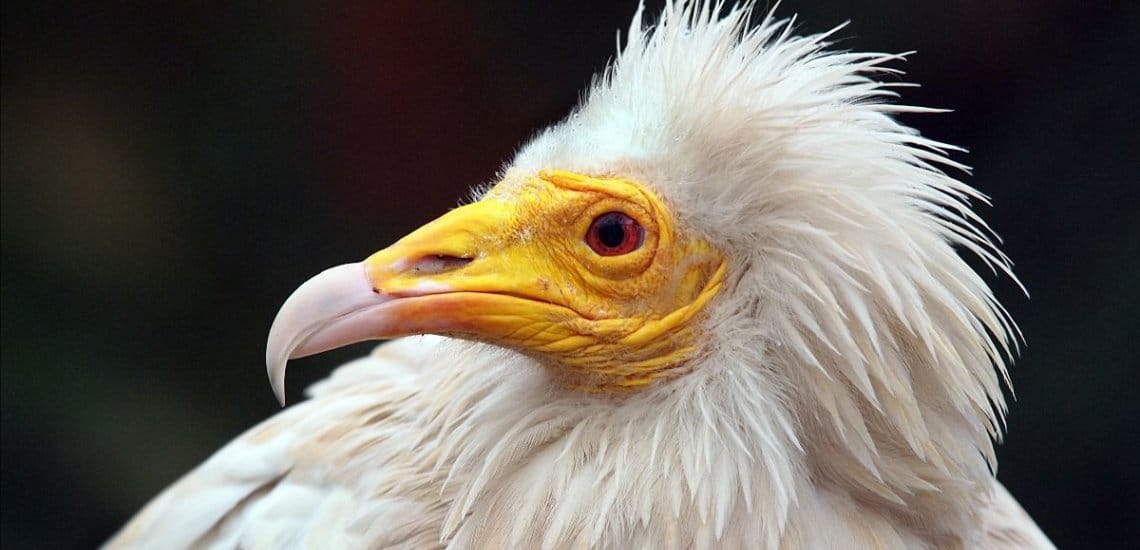
Poisoning – both accidental and deliberate – has driven Africa's vultures to the brink of extinction. But hope is at hand: a new series of poison-free safe spaces are protecting vultures, raising awareness and advancing research in Zambia.
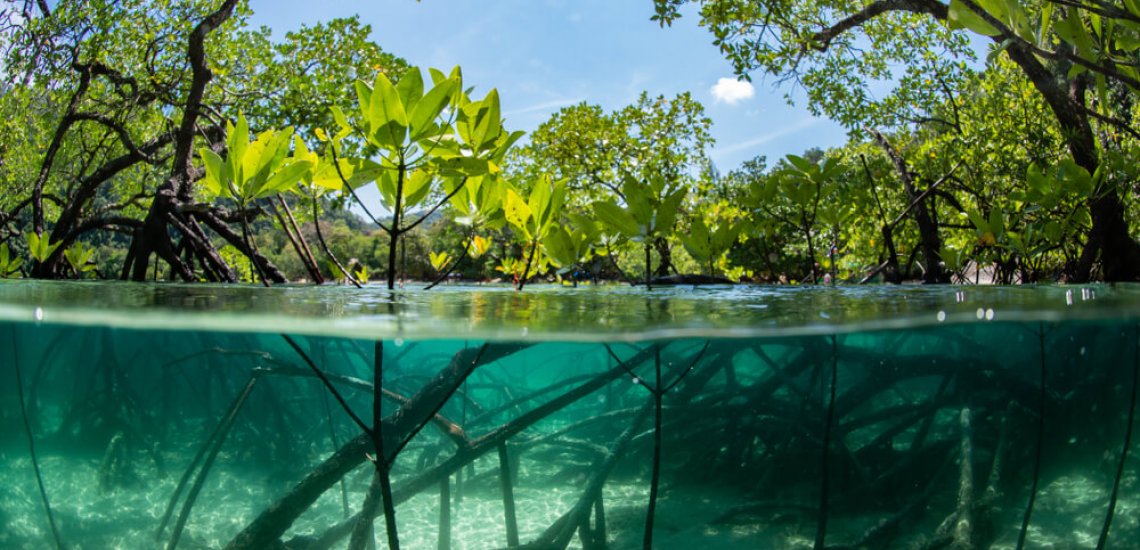
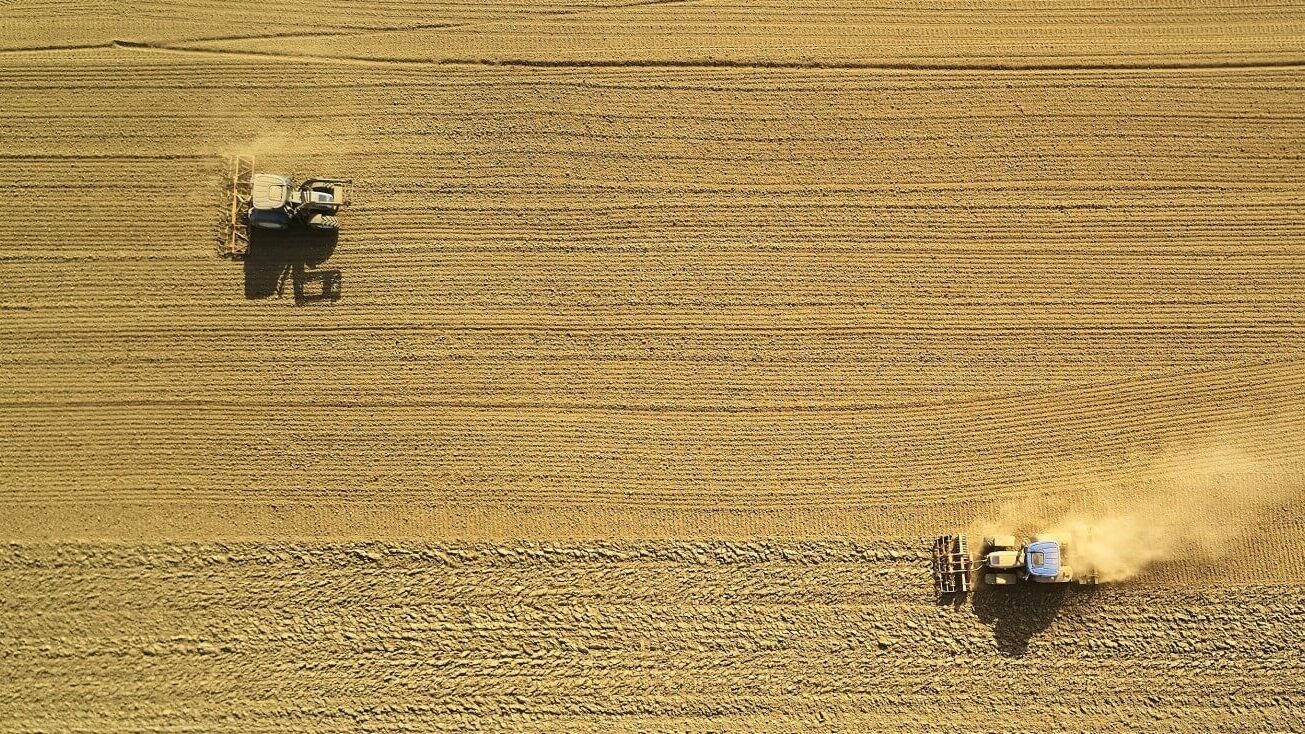
Logging, intensive agriculture and overfishing have pushed one million animal and plant species to the point where they're hanging by a thread. Protection is not enough anymore, it is time to usher in the era of nature restoration.
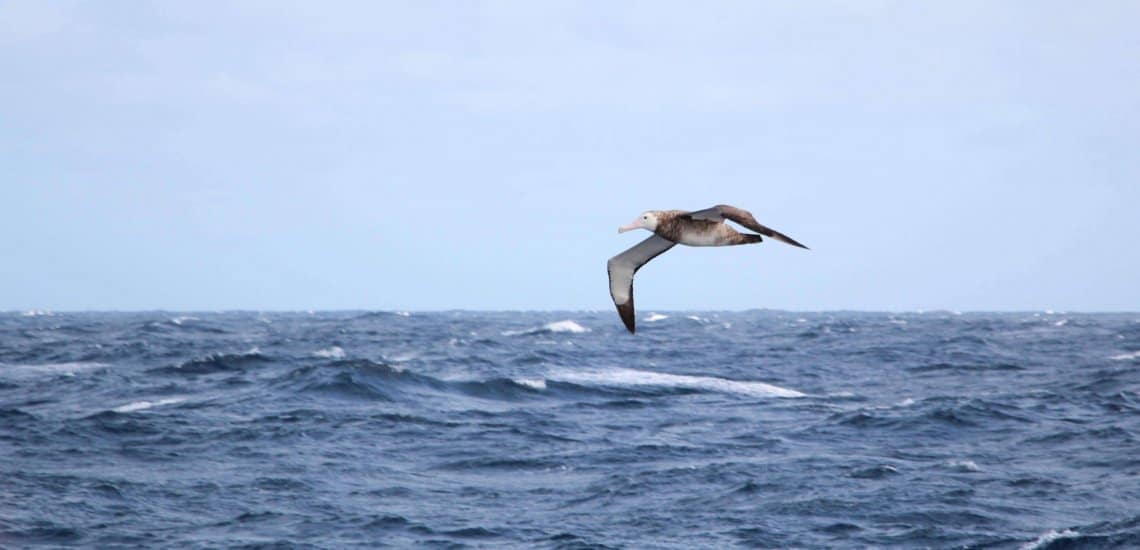
Without action, the Antipodean Albatross could go extinct within our lifetimes. To prevent this tragedy, researchers satellite-tracked 63 albatrosses to discover where they encounter the highest accidental ‘bycatch’ in tuna fishing fleets. Find out how we’re working to make these danger zones safe.
What is nature restoration? It is the process of assisting the recovery of an ecosystem that has suffered degradation. It means bringing nature back for people and for wildlife. It’s the opposite of destruction: it’s healing and repair. Restoration can take many forms, from removing dams or invasive species, to reintroducing native vegetation. Restoration is on the political agendas of both Europe and the world.
A Cinerous Vulture Aegypius monachus born in 2020 in the Boumort National Hunting Reserve has now been confirmed as the first victim of a vulture species to die from poisoning by veterinary diclofenac in Europe.
The European seas are in dire straits: currently, 65% of protected seabed habitats in Europe are in unfavourable conservation status.
Despite the hellish outcome from the Ancient Mariner’s slaying of the albatross in Coleridge’s epic poem, the delirium the sailor suffers conveys a vibrant vision of healthy bird populations tragically absent in our latest research on seabirds.
All you need to know about public consultations, and why they make a difference for biodiversity and nature.
Alongside scientists and other environmental groups, BirdLife Europe has in an open letter to the European Commission expressed deep concerns about the greenwash-enabling path the taxonomy risks heading down with its labelling system for sustainable investments.
A new study analysing sites across the world has found that in most cases, economic benefits are higher when habitats are conserved or restored rather than converted to human uses such as farming. These findings add important ammunition to our fight for a greener future.
Join us for a bite-sized round-up of advances published in our journal Bird Conservation International. Highlights include the complexities of reintroducing hornbills to the wild, the truly devastating scale of European Turtle-dove hunting, and a newly-identified Spoon-billed Sandpiper moulting site.
As global temperature rises, species will be driven across national borders to find suitable habitat. Physical barriers like the USA-Mexico wall and fences between Russia and China aren’t the only complication. BirdLife’s Chief Scientist Dr Stuart Butchart explains how countries experiencing the greatest species loss may be in the worst position to protect nature.