As a global Partnership, we believe in internationalism. We have translated as much content in your language as our resources allow. Please visit the English language site to view all of our content.
Press enter for results
Seventy-three kilometers from the city of Forécariah, in southwestern Guinea, lies Benty, at the confluence of the Melakore River and the Atlantic Ocean. This is where a discreet, vast, and fragile territory is located: the Melakore estuary.
Mark Sagan and Patricia Awing Balan explain how Indigenous People and conservation come together in their work with our Partner the Malaysian Nature Society’s Kuching Branch.
As the International Year of Rangelands and Pastoralists 2026 unfolds, the global importance of grasslands comes into focus, revealing what is at stake for birds and people, and how community-led conservation can secure their future.
Today, we welcome the 124th organisation to join the BirdLife International family which is now active in 119 countries and territories around the world!
As the nature and climate crises worsen and their impacts increasingly affect people’s lives, it is hard not to feel that the world is moving in the wrong direction.
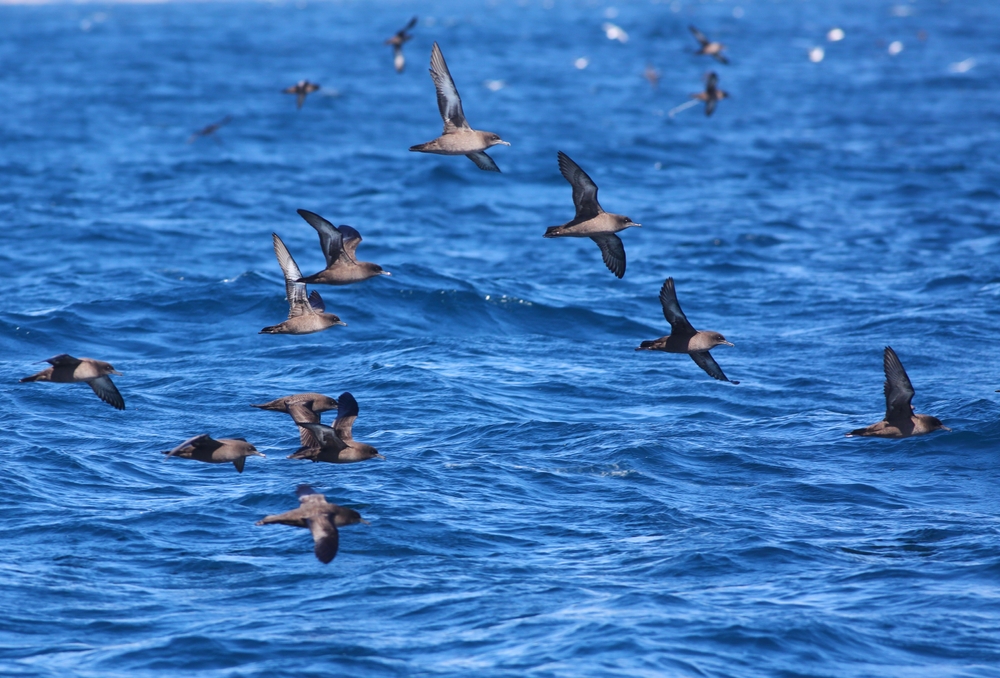
The restoration of Lemnos’ seascape could help preserving many marine species, like the Yelkouan Shearwater.
The new International single Species Action Plan (SAP) for the conservation of the Audouin’s Gull has officially been adopted and offers a path to recovery of the population.
This month marks the 60th International Waterbird Census (IWC), one of the world’s longest-running site-based bird monitoring programmes. This collaborative global effort continues to generate essential data that underpins effective conservation around the world.
Lake Nasser, one of the world’s largest man-made lakes, stretches nearly 500 kilometers across southern Egypt into Sudan.
The 7th session of the United Nations Environment Assembly (UNEA 7) took place from 8th to 12th December 2025 in Nairobi, Kenya, attended by more than 5,600 people from 190 countries.
A new NGO-led evaluation finds that implementation of the Nature Restoration Law (NRL) is underway in most Member States, marking a crucial first step towards repairing Europe’s degraded ecosystems. With National Restoration Plans (NRPs)[1] taking shape across the EU, success now hinges on political leadership, proper resourcing and broad stakeholder backing.
The Snowy Owl has been declared Regionally Extinct in Sweden. For the first time in 20 years, the country has officially lost a bird species.