As a global Partnership, we believe in internationalism. We have translated as much content in your language as our resources allow. Please visit the English language site to view all of our content.
Press enter for results
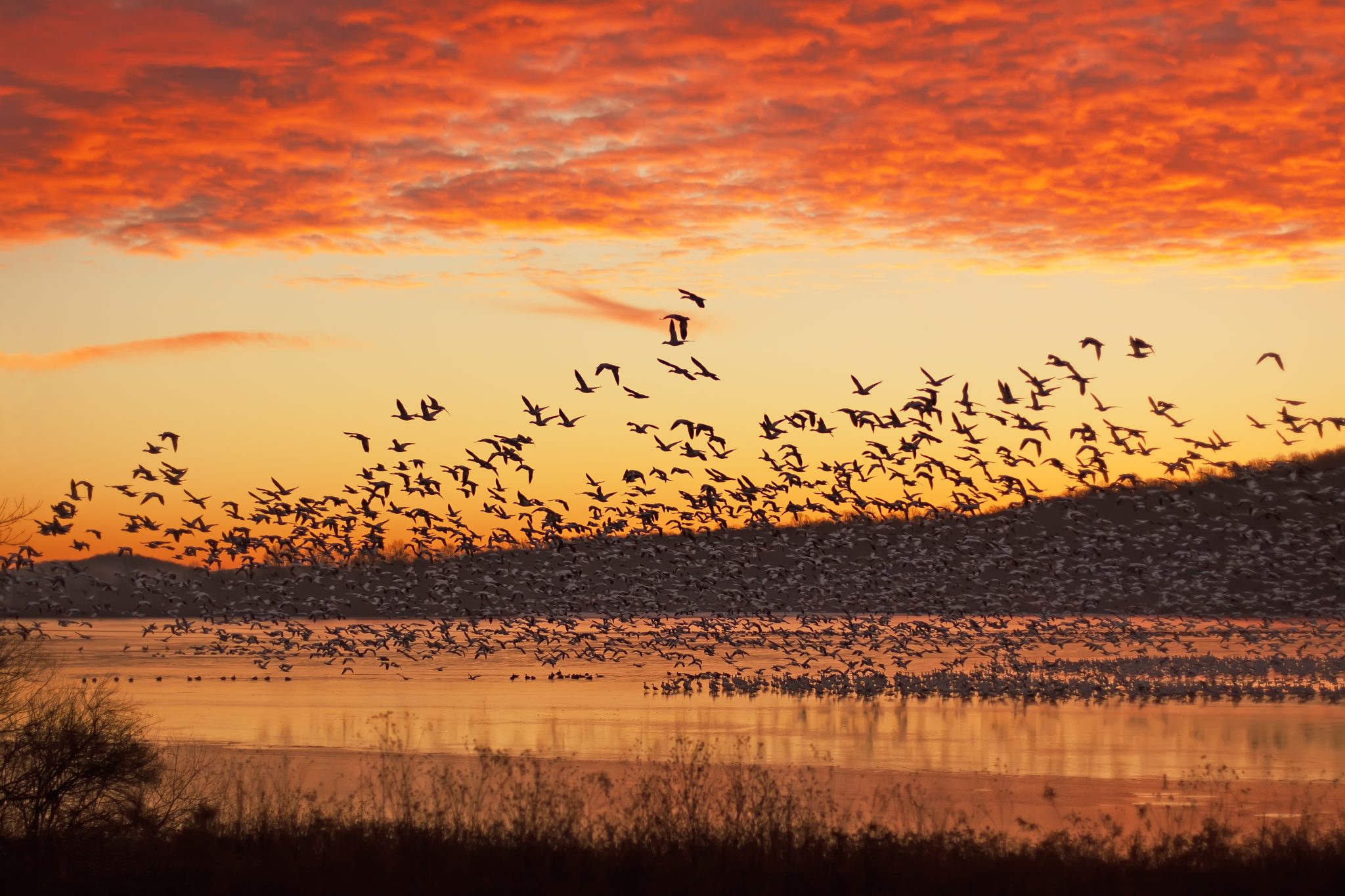
In this series, we meet conservationists to learn more about their vital work right along the world's migratory flyways.
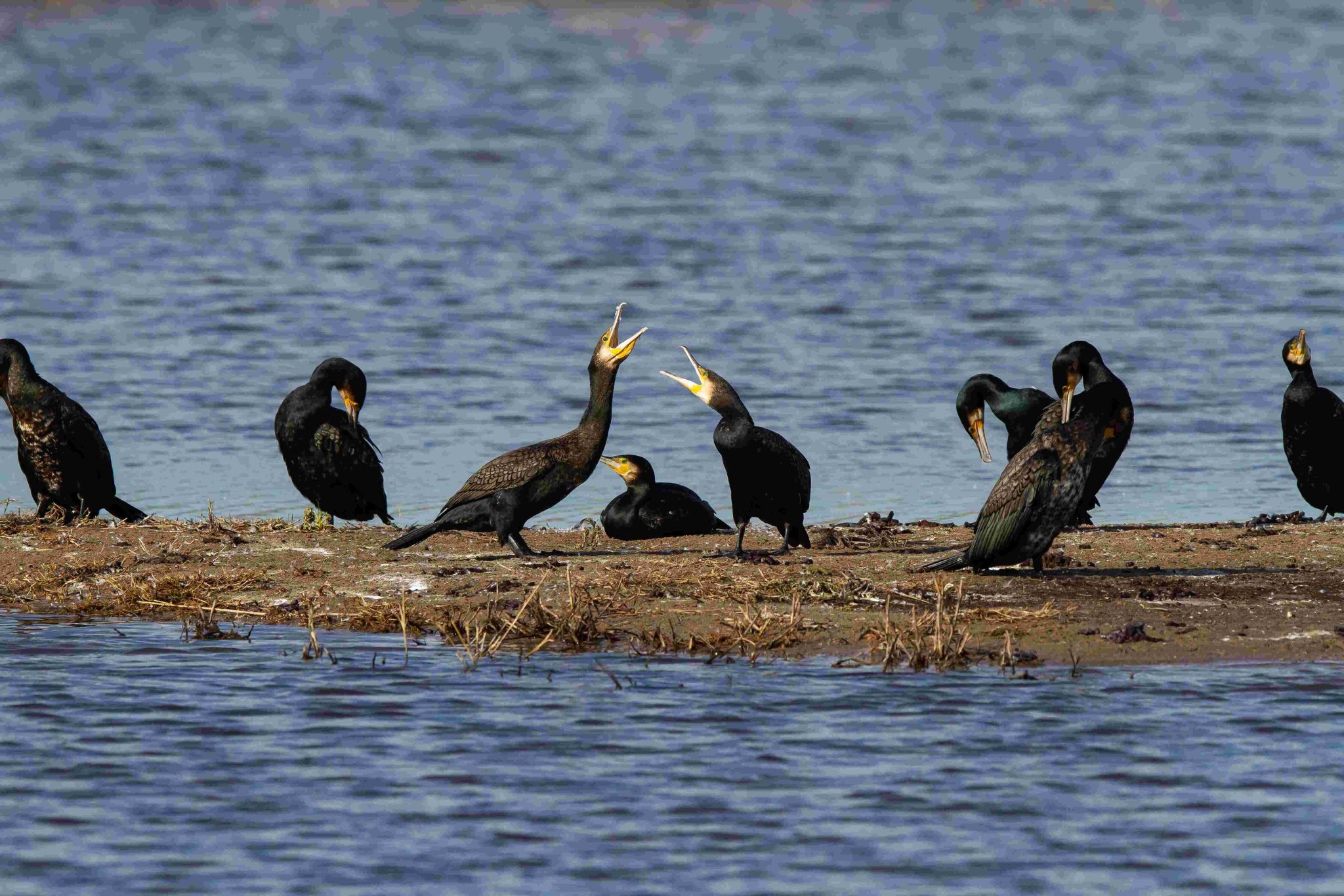
A vital coastal habitat east of Umm Al Quwain supports one of the largest breeding colonies of the Vulnerable Socotra Cormorant, alongside dugongs, green turtles, and migratory birds on the African-Eurasian Flyway. Its mangroves, wetlands, and archaeological sites face growing threats, making continued protection and monitoring essential.
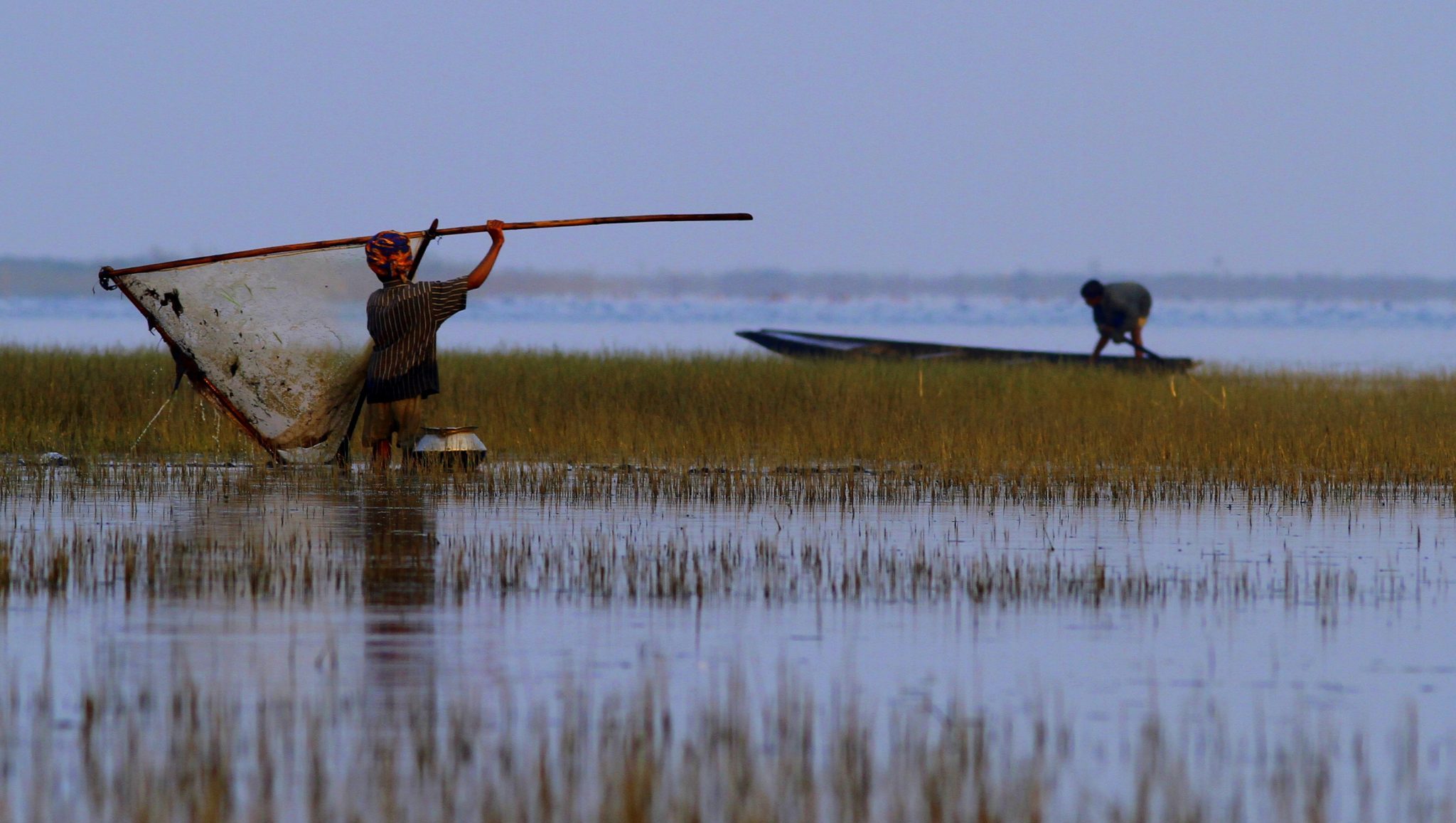
This World Wetlands Day, we celebrate the theme, ‘Wetlands and traditional knowledge: celebrating cultural heritage.’ As wetlands disappear, birds, livelihoods and knowledge are at risk. Across the BirdLife Partnership, we work with communities worldwide to protect wetlands for people and nature.
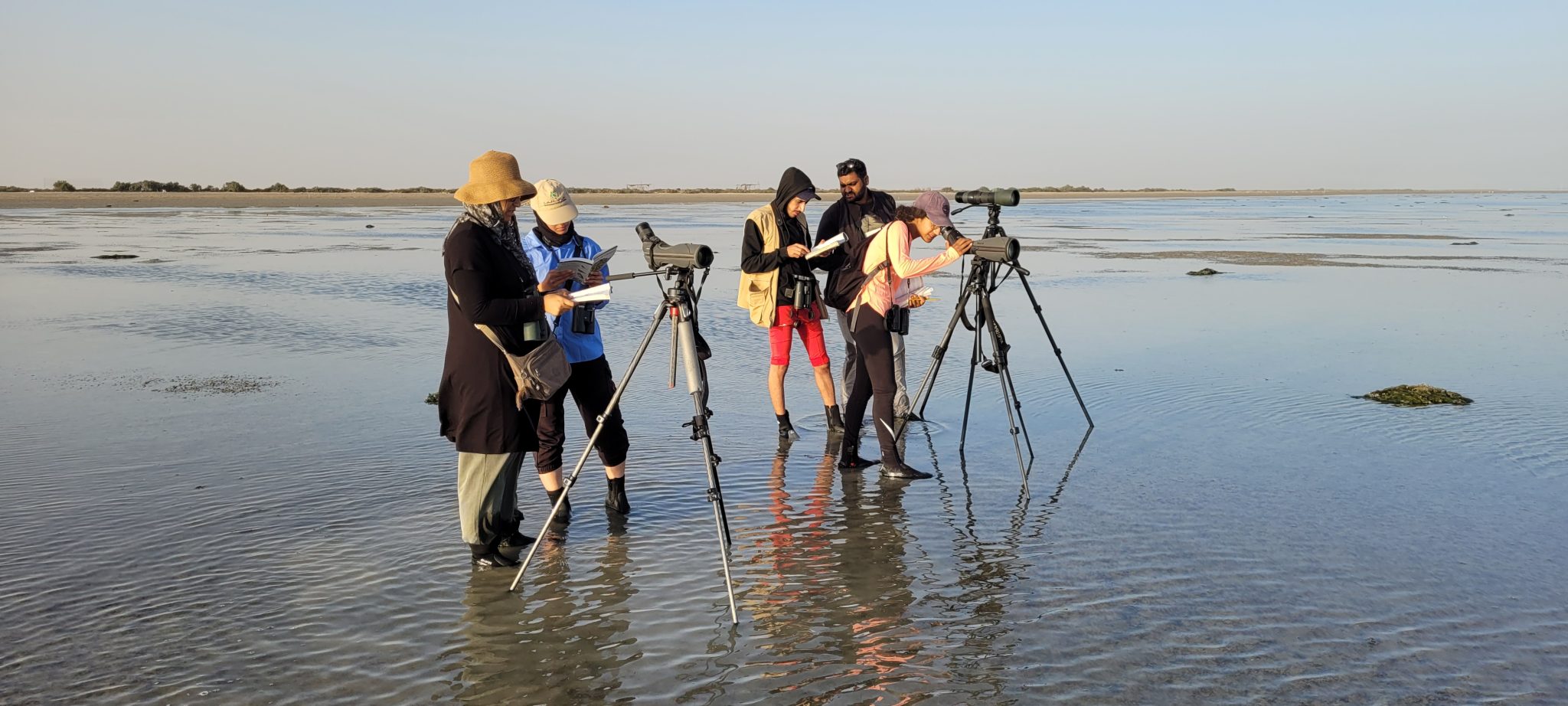
This month marks the 60th International Waterbird Census (IWC), one of the world’s longest-running site-based bird monitoring programmes. This collaborative global effort continues to generate essential data that underpins effective conservation around the world.
In the second instalment of our interview series, BirdLife’s Dr Poshendra Satyal tells us why a diversity of voices is critical for achieving social justice and effective conservation.
BirdLife International and Content With Purpose are delighted to announce a brand-new partnership to launch an ambitious new digital series entitled ‘Global Flyways’.
A new study co-authored by BirdLife’s Chief Scientist Dr Stuart Butchart and published in Nature Reviews Biodiversity reveals the fortunes of Critically Endangered species, the threats facing them and how conservation can help.
Wetlands are highly productive and biologically diverse systems that are vital in enhancing water quality, controlling erosion, maintaining stream flows, and sequestering carbon. They are equally relevant due to their importance for biodiversity preservation and their biological services for humankind.
Although often associated with arid desert, Qatar is home to a range of birds, many of which travel through the country on migration. Discover more about the country’s avian diversity in the latest ‘Through the lens’ article.
Support BirdLife’s advocacy work to make leaders listen to the science, and put in place the vital policies and investments to ensure nature is at the heart of solving the climate crisis.
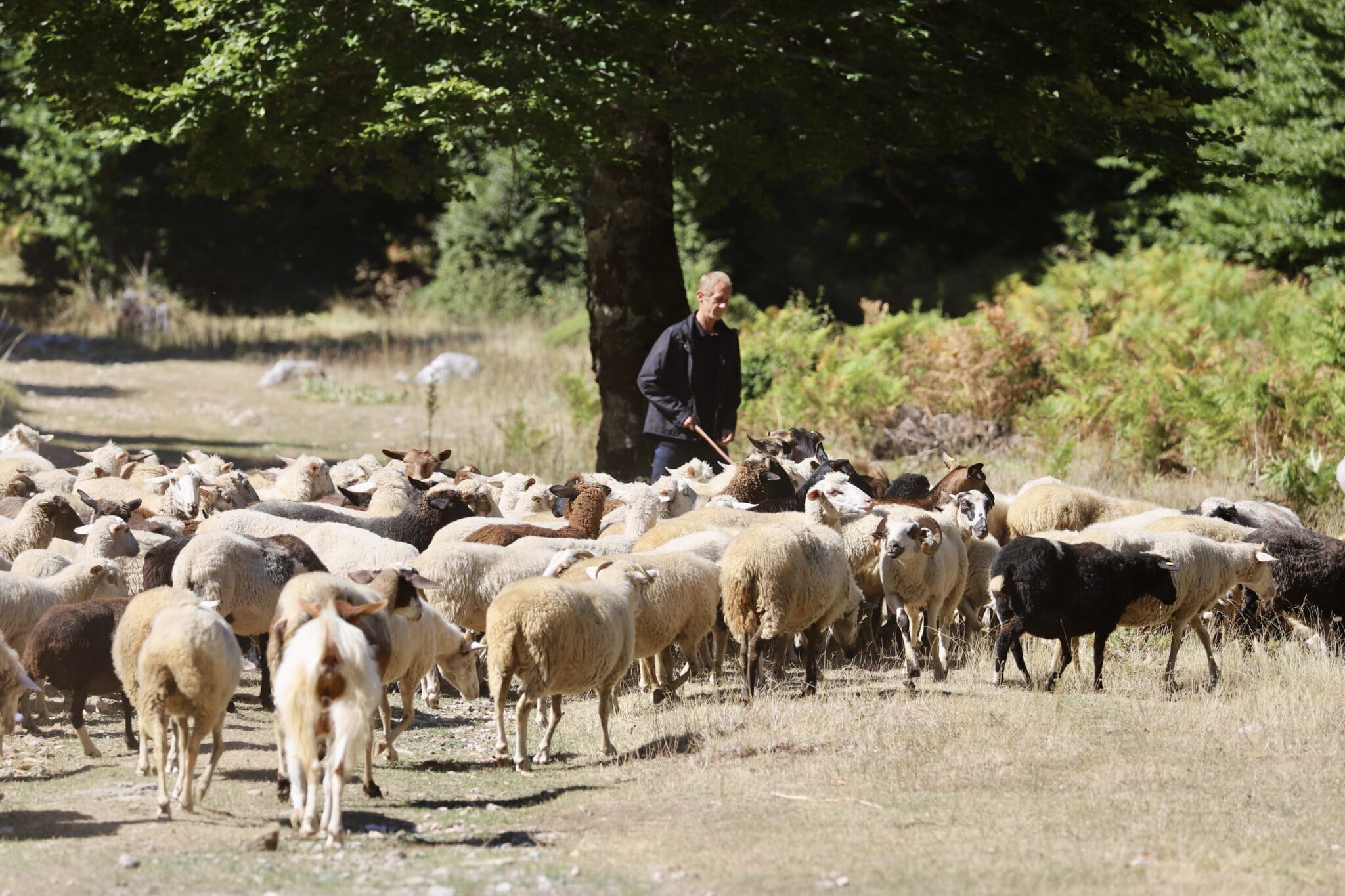
From restoring Albanian pastures, to protecting Moroccan vultures, to empowering female Tunisian shepherds and aiding Jordanian olive groves, sometimes going backwards is the way forwards.