Wetlands: a shared heritage for birds and people
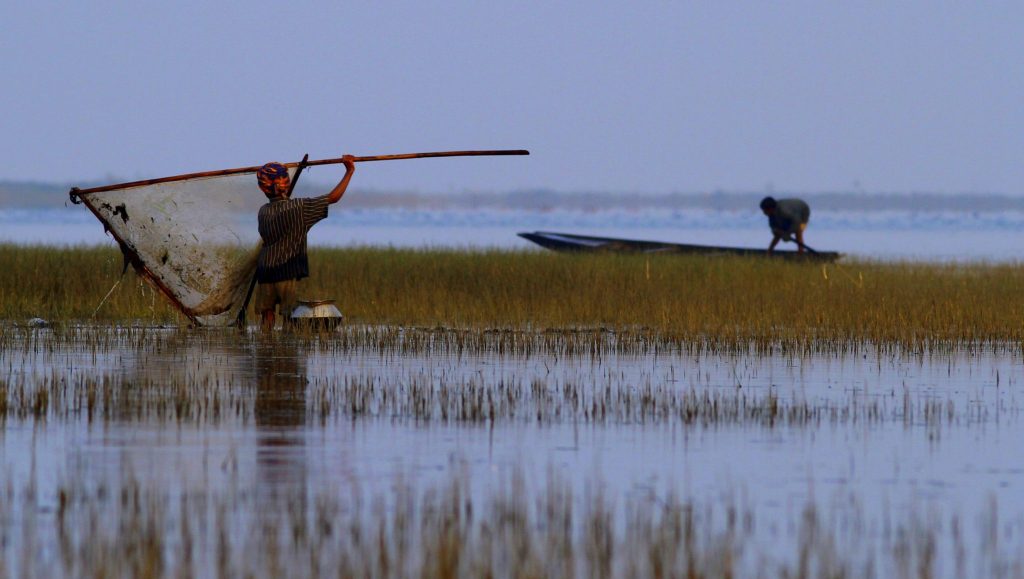
This World Wetlands Day, we celebrate the theme, ‘Wetlands and traditional knowledge: celebrating cultural heritage.’ As wetlands disappear, birds, livelihoods and knowledge are at risk. Across the BirdLife Partnership, we work with communities worldwide to protect wetlands for people and nature.
Wetlands are places of meeting. For thousands of years, communities have lived alongside these vital landscapes, learning their rhythms and responding to their signals. Birds have always been part of that relationship. Their migrations, calls and seasonal arrivals have guided fishing, farming and ceremonies, quietly revealing when wetlands are healthy and when they are not.
This World Wetlands Day, we celebrate the theme ‘Wetlands and traditional knowledge: celebrating cultural heritage.’ And at BirdLife International, we know that when traditional knowledge meets conservation action, wetlands and birds thrive, as do the communities that care for them.
Nature, culture and continuity
Wherever land meets water, life abounds. Wetlands provide food, freshwater and protection from floods and storms. They store carbon, support biodiversity and sustain livelihoods for more than a billion people worldwide. They are also cultural landscapes, shaped by memory, practice and care.
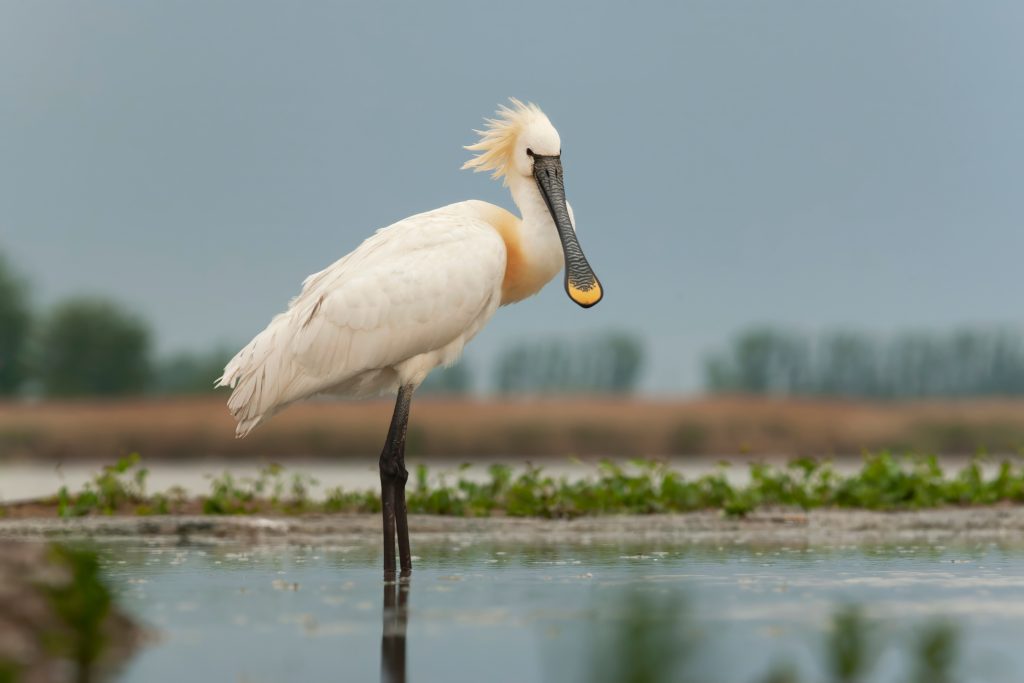
Birds sit at the centre of this story. Wetlands are essential breeding grounds, feeding areas and migration stopovers for waterbirds across the globe. In turn, birds have helped people understand wetland health long before monitoring equipment existed. Their presence signals abundance. Their absence is a warning.
This relationship has endured because local knowledge is rooted in observation. It is learned by watching water levels rise and fall. By listening. By noticing when birds arrive earlier, later or not at all. Passed down through generations, this knowledge has helped communities manage wetlands in ways that allow both nature and people to thrive.
The cost of losing wetlands
Despite their importance, wetlands are disappearing faster than any other ecosystem, with more than 22% lost since 1970. Drainage, pollution, unsustainable land use and climate change are driving widespread loss and degradation.
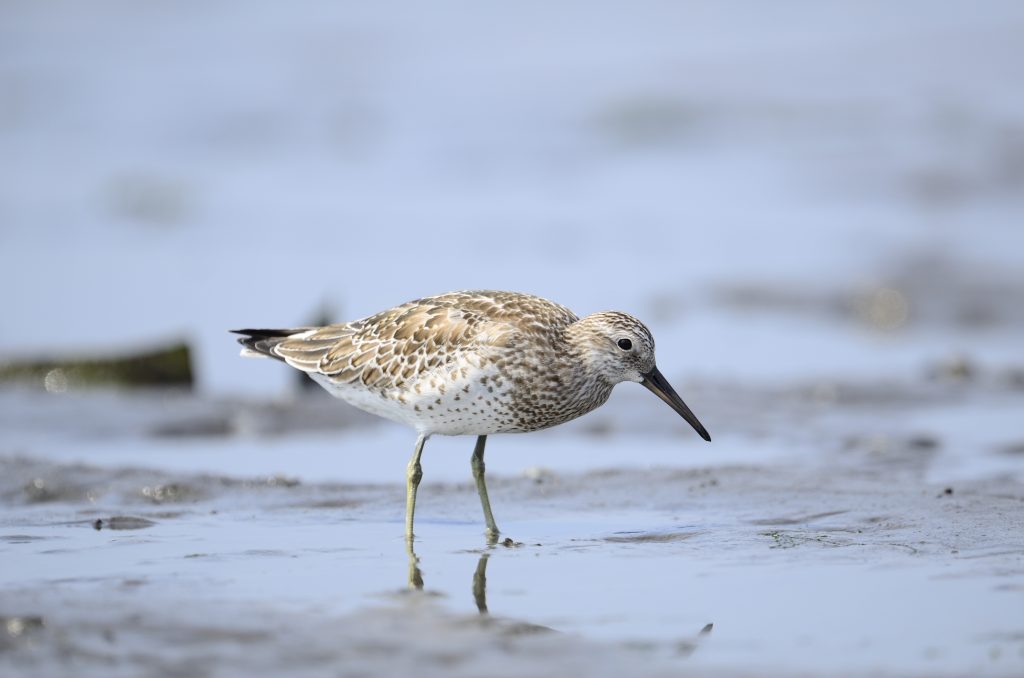
When wetlands are damaged, birds are often the first to respond. Populations decline. Migration routes fragment. Breeding sites disappear. These changes signal deeper ecological breakdown with serious consequences for people who depend on wetlands for food, water and income.
Traditional knowledge systems are also under threat. As wetlands are lost, so too are the cultural practices, languages and identities tied to them. This erosion weakens community resilience and removes some of the most effective tools we have for managing wetlands sustainably.
The challenge is not choosing between science and tradition. It is recognising that wetlands need both.
A Partnership approach to wetland conservation
We know that effective wetland conservation depends on collective action. Our global Partnership works across borders, cultures and flyways, bringing together scientific evidence and traditional knowledge to protect the places birds and people depend on.
We work alongside Indigenous Peoples and local communities, recognising that long-standing ecological knowledge is essential to sustaining wetlands. Birds are our compass. Their movements reveal where nature is under pressure and where action can make the greatest difference. By listening to both birds and people, we turn local knowledge into global impact. Across the Partnership, this approach is already shaping conservation on the ground.
In the Cook Islands, our Partner Te Ipukarea Society is connecting young people with Indigenous knowledge, exploring wetlands and coastal ecosystems while celebrating the remarkable recovery of the Kākerōri (Rarotonga Monarch), a bird brought back from the brink. This work strengthens cultural identity while showing how knowledge passed between generations can restore both species and ecosystems.
In Lebanon, the traditional Hima system, an ancient practice of community-led resource management is being revived by our Partner, the Society for the Protection of Nature in Lebanon. By protecting the Litani River, this culturally rooted approach is creating vital corridors for migratory birds travelling along the African–Eurasian flyway, while placing stewardship back in local hands.
At Malawi’s Chia Lagoon, former hunters have become conservation leaders through a Partnership-led approach that puts communities at the centre. Our Partner, the Wildlife and Environmental Society of Malawi (WESM), is working to restore the vital Chia Lagoon ecosystem, reverse declines in vulnerable waterbird species and improve local livelihoods. Drawing on deep, place-based knowledge of the wetland, communities are helping to restore habitats and secure a future where conservation and livelihoods reinforce one another.
Together, these stories show the power of partnership and the strength of conservation rooted in place.
The most effective conservation honours both nature and culture, recognising that Indigenous Peoples and local communities have been the stewards of wetland ecosystems for millennia.
Martin Harper, ceo, birdlife international
Working together for wetlands
Wetlands remind us that nothing exists alone. By valuing traditional and local knowledge, we protect more than ecosystems. We protect relationships between generations, between species, and between people and place. This World Wetlands Day, let us celebrate wetlands as life-sustaining landscapes and commit to a future where cultural heritage and conservation move forward together.