Give birdsa lifeline
Migratory birds travel thousands of miles but they need us to go the distance.
Donate today and have your gift doubled up to $20,000.
Here are some of the birds that need our help.
Your donation today can go twice as far, giving migratory birds around the world the lifeline they need. These are examples of our work but your donation today will support our work where we have the most need.
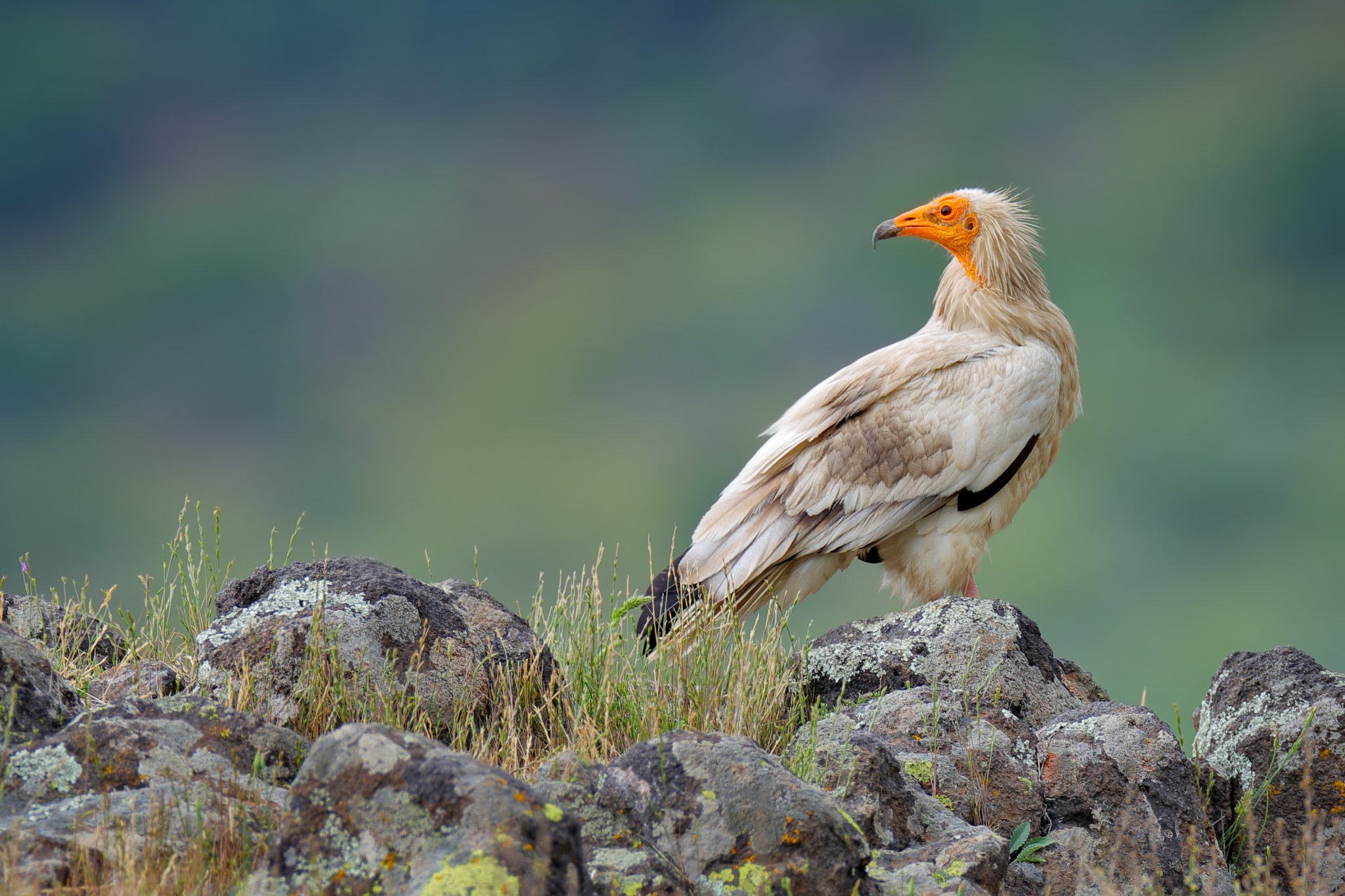
Egyptian Vulture
Endangered
The Egyptian Vulture breeds across southern Europe, North Africa, and Asia, migrating to sub‑Saharan Africa via the African‑Eurasian Flyway. Endangered by poisoning, electrocution, and habitat loss. Our Flyways Programme works internationally to reduce threats along migration routes and protect key sites.

Bar-headed Goose
Least Concern
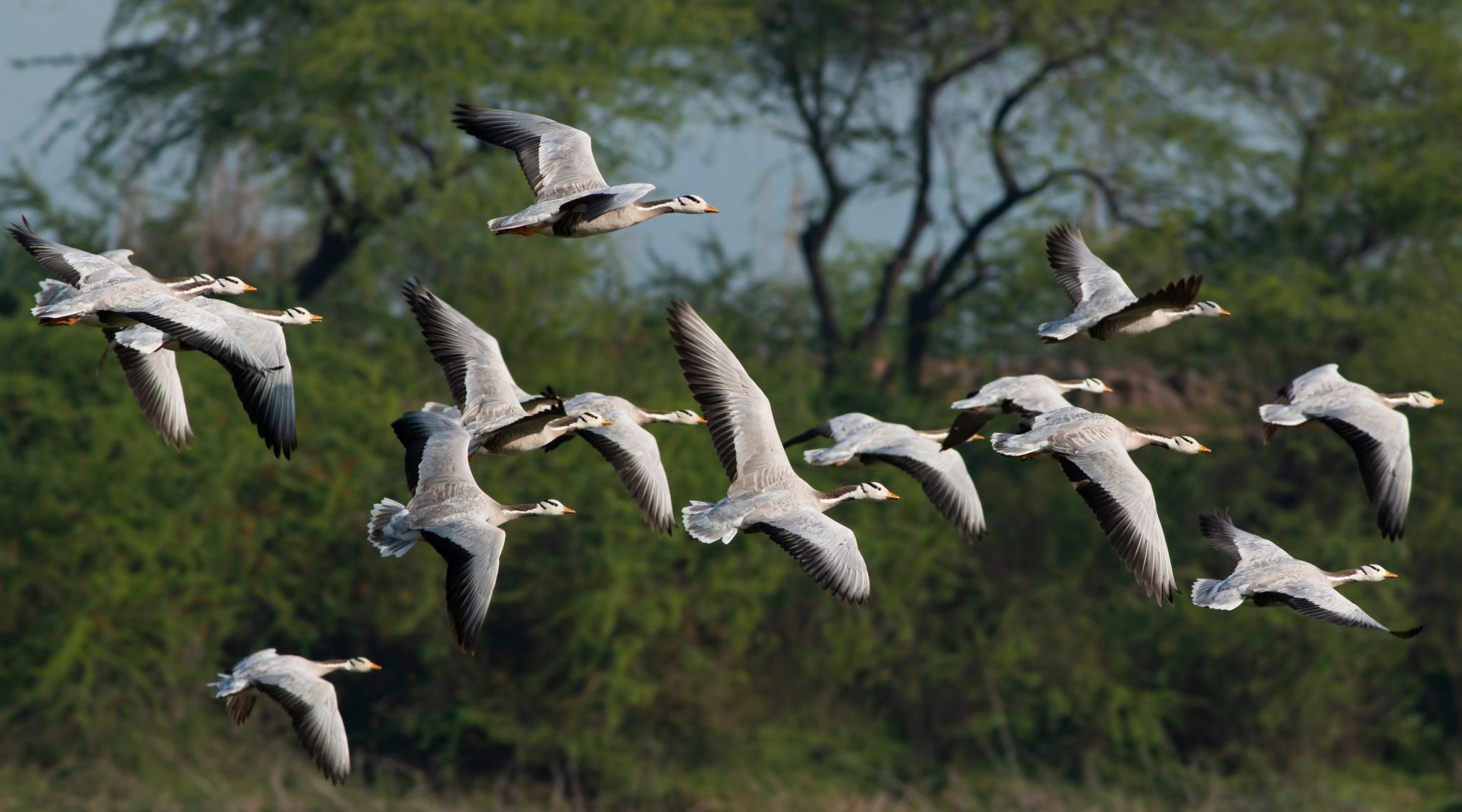
The Bar-headed Goose breeds in Central Asia and migrates south to winter in South Asia along the Central Asian Flyway. Although still listed as Least Concern, it faces growing pressure from hunting, egg collection and habitat loss. Our Flyways Programme helps protect the wetlands and stopover sites these remarkable birds need across their journey.
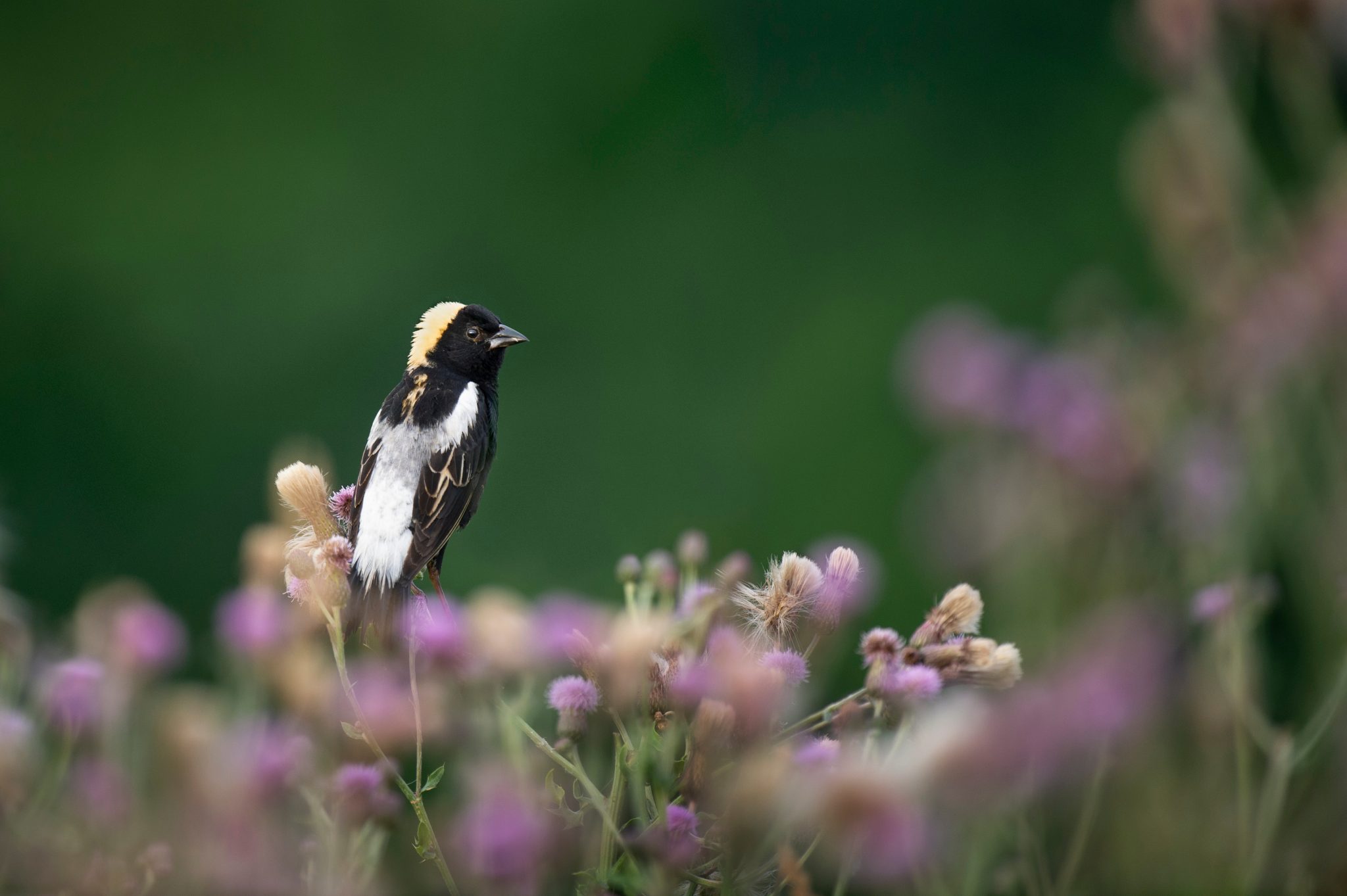
Bobolink
Near Threatened
The Bobolink breeds in North American grasslands and migrates to southern South America along the Americas Flyway. It is declining due to agricultural intensification and habitat loss. We support conservation by identifying key sites and promoting sustainable land management across migration routes.
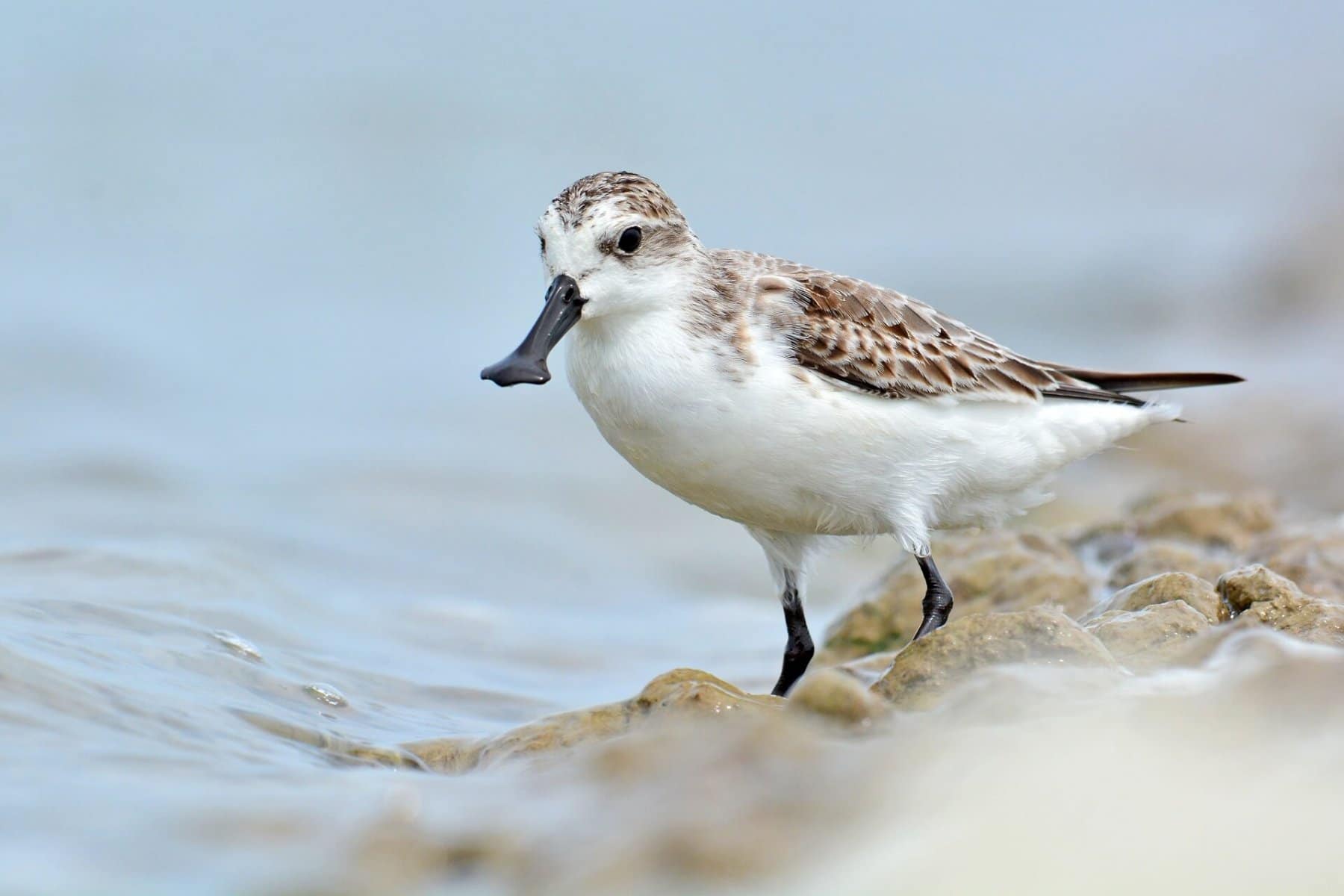
Spoon-billed Sandpiper
Critically Endangered
The Spoon‑billed Sandpiper breeds in Arctic Russia and migrates to Southeast Asia along the East Asian–Australasian Flyway. Critically Endangered due to habitat loss and hunting. Our Flyways Programme supports habitat protection and coordinated action across their stopover and wintering sites.
Everything you need to know about Flyways and why they’re important
Birds use flyways – superhighways in the sky – as important migration routes as they travel between breeding grounds, feeding areas and seasonal refuges.
During migration birds rely on a network of places that provide food and shelter. Flyways are the routes that connect these places. Billions of birds follow flyways crossing deserts, mountains and oceans.

Migratory birds: Carry nutrients across oceans, pollinate plants, spread seeds, and help keep crops growing and diseases in check. But worldwide, more than 40% of bird species are now in decline.
People and livelihoods: Protecting flyways helps bring birds back, but it also brings real benefits to people: cleaner water, healthier wetlands, more reliable food, and stronger resilience to a changing climate.
Climate: Migratory birds rely upon ecosystems which are crucial for storing carbon and providing protection for communities from severe weather.

Stay up to date
Sign up to receive the latest bird conservation news. You’ll also receive updates about our projects, science and other ways to get involved including fundraising.
Thank you for your support, we are committed to protecting your personal information and privacy. For more information on how we use your data, please see our Privacy Policy. You can unsubscribe from emails at any time by using the link in the footer of any email from us.