As a global Partnership, we believe in internationalism. We have translated as much content in your language as our resources allow. Please visit the English language site to view all of our content.
Press enter for results
In this series, we meet conservationists to learn more about their vital work right along the world's migratory flyways.
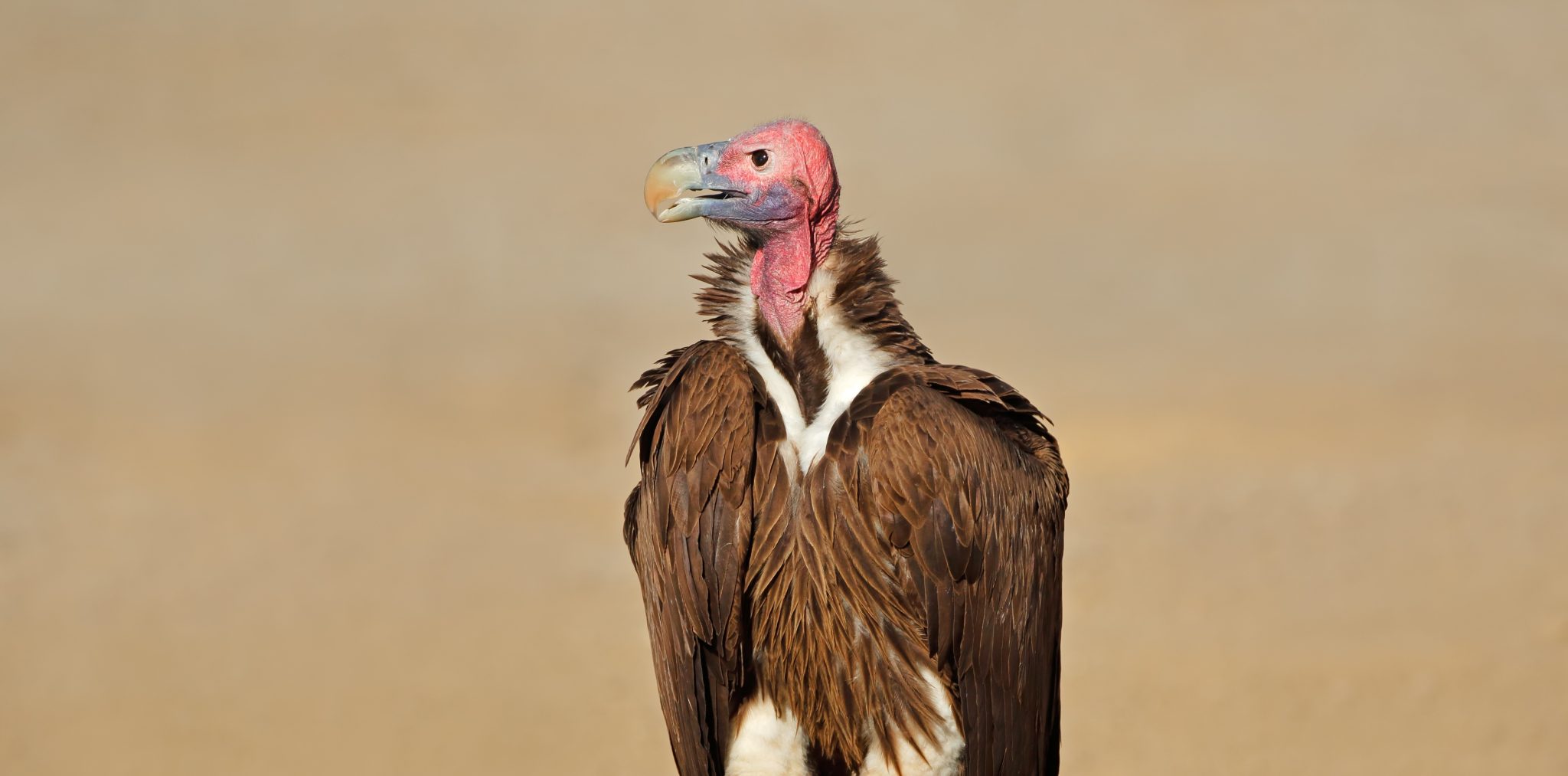
With her work with vultures at the forefront of her experience, BirdLife’s Lovelater Sebele explains why conservation should be inclusive and must not exclude marginalised groups.
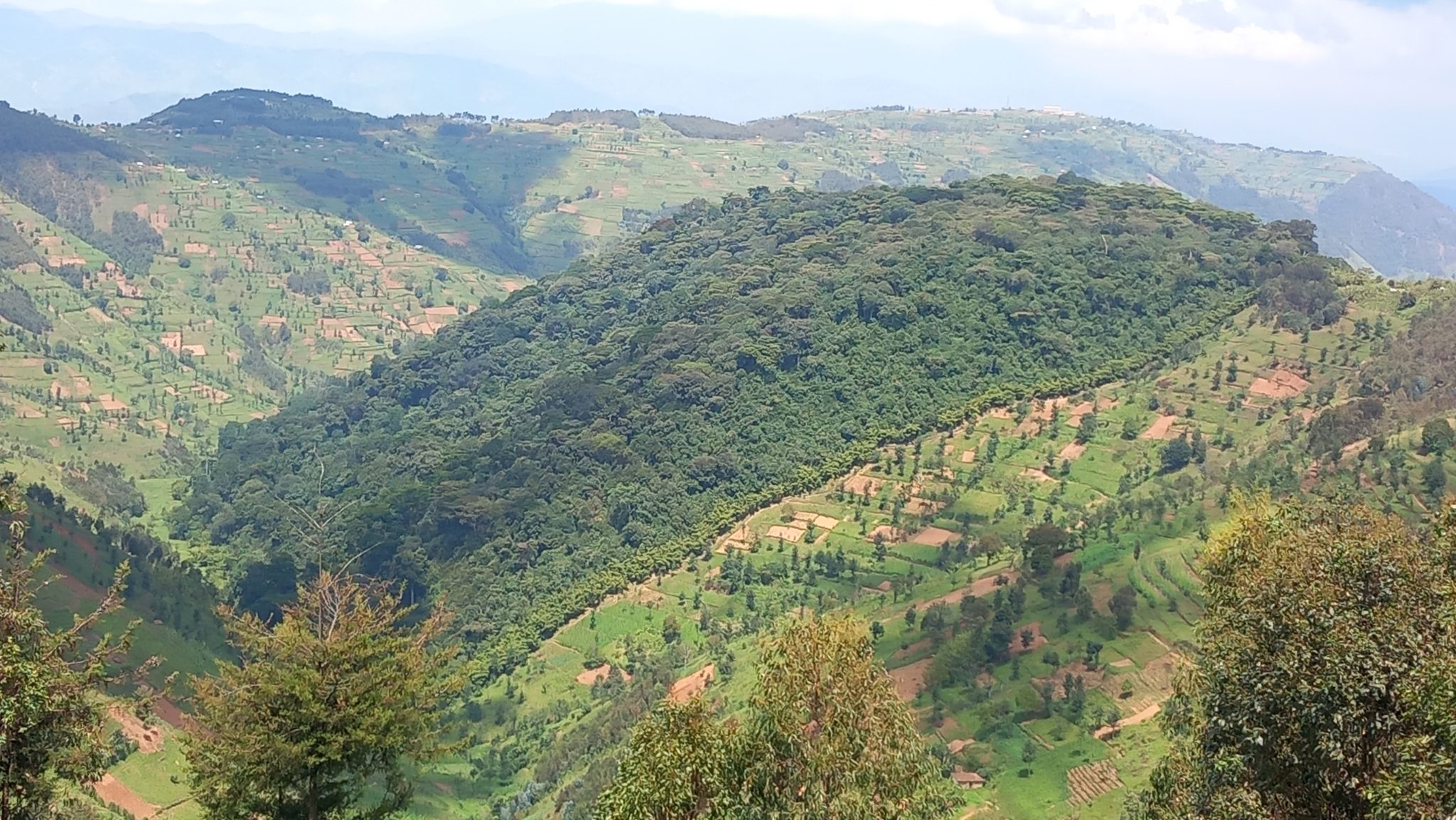
On International Day of Forests, we highlight the importance of forests and highlight some of our Partners’ conservation efforts across Africa.
In this new series, we’ll meet conservationists to learn more about their vital work right along the world's migratory flyways.
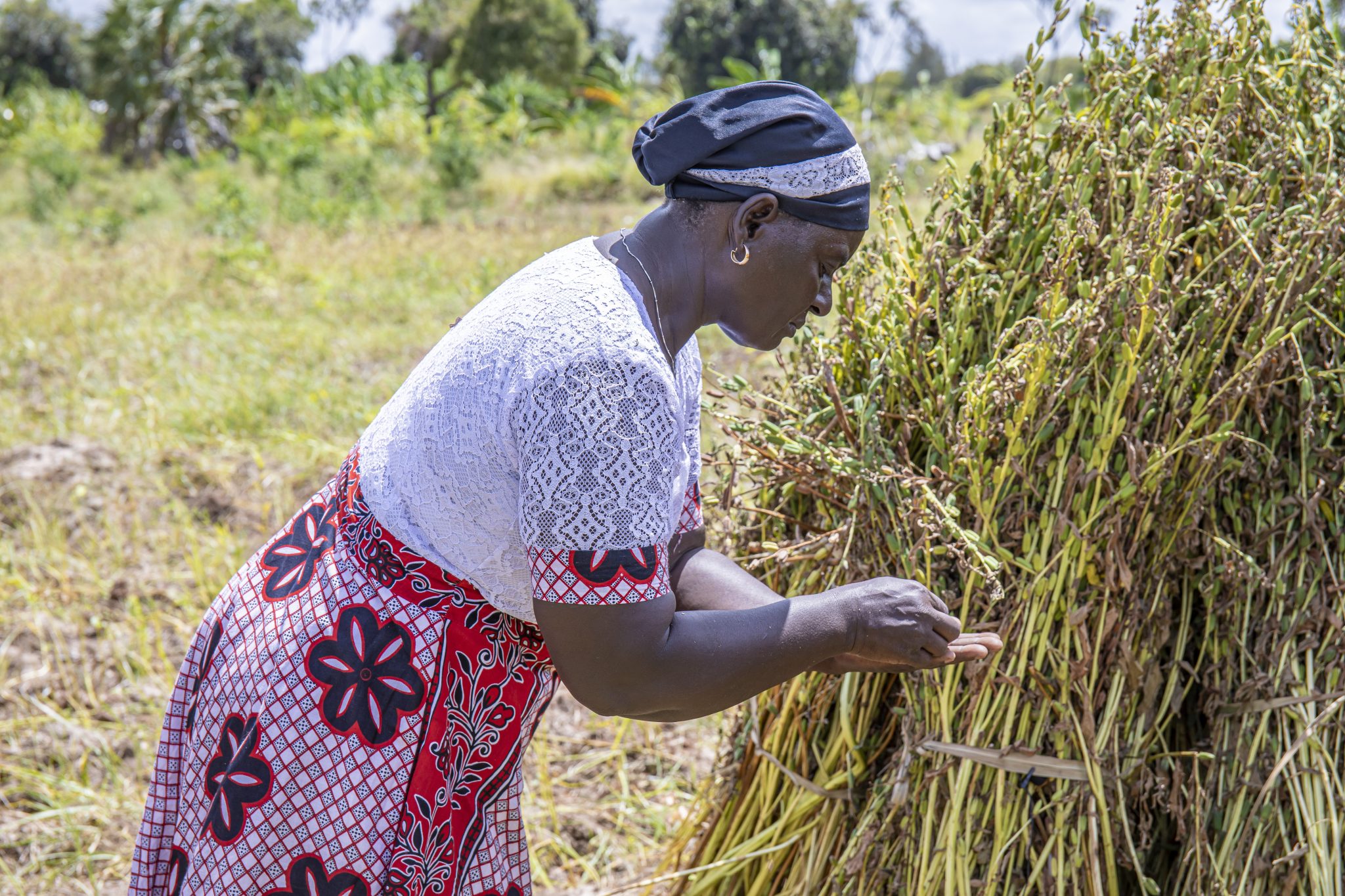
In Kenya’s Tana Delta, something remarkable is happening. The usual searing afternoon heat has given way to frequent cool showers and drizzles. Where air once carried the scent of baked earth and dust, it now brings the refreshing smell of damp soil.
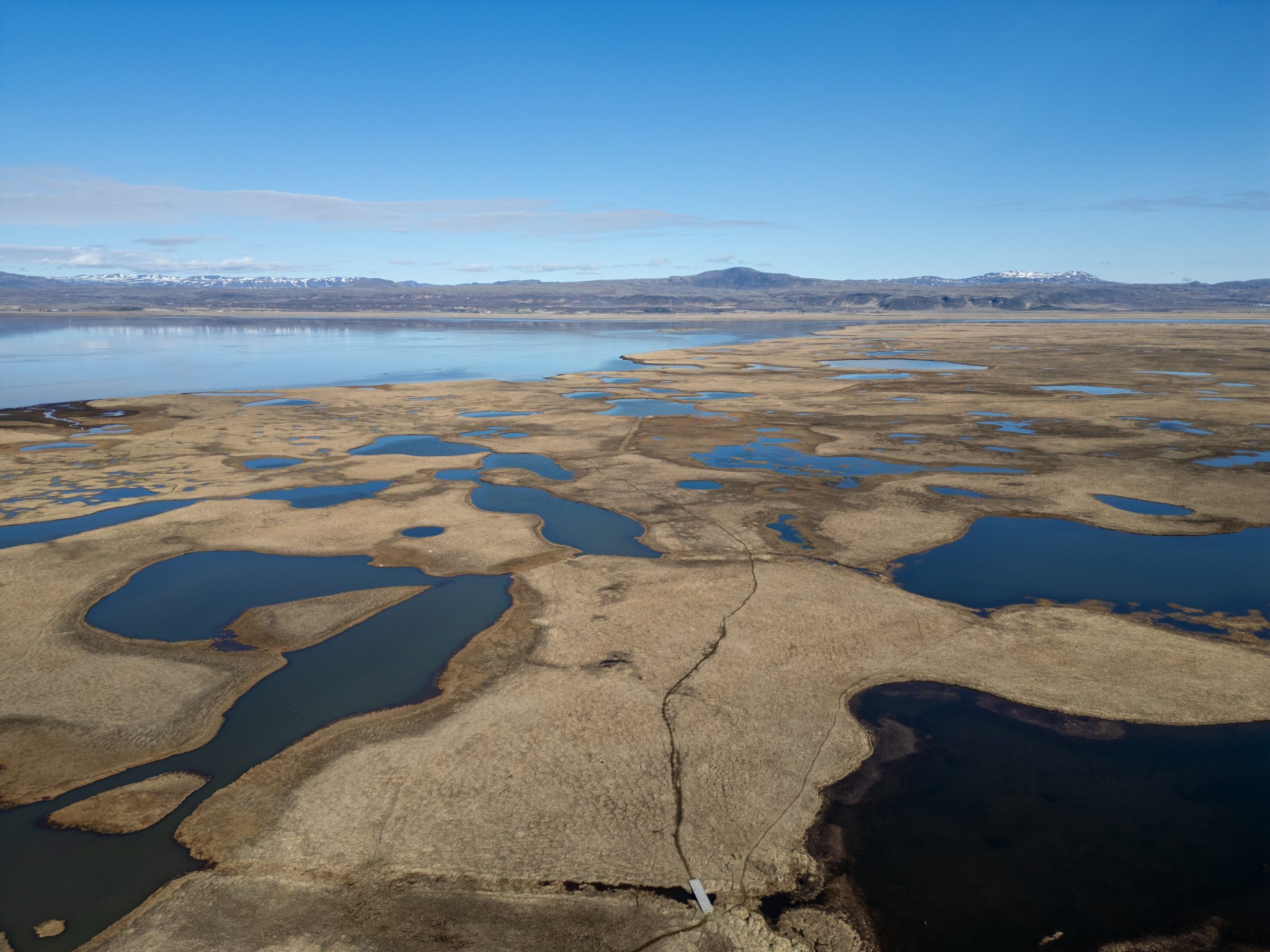
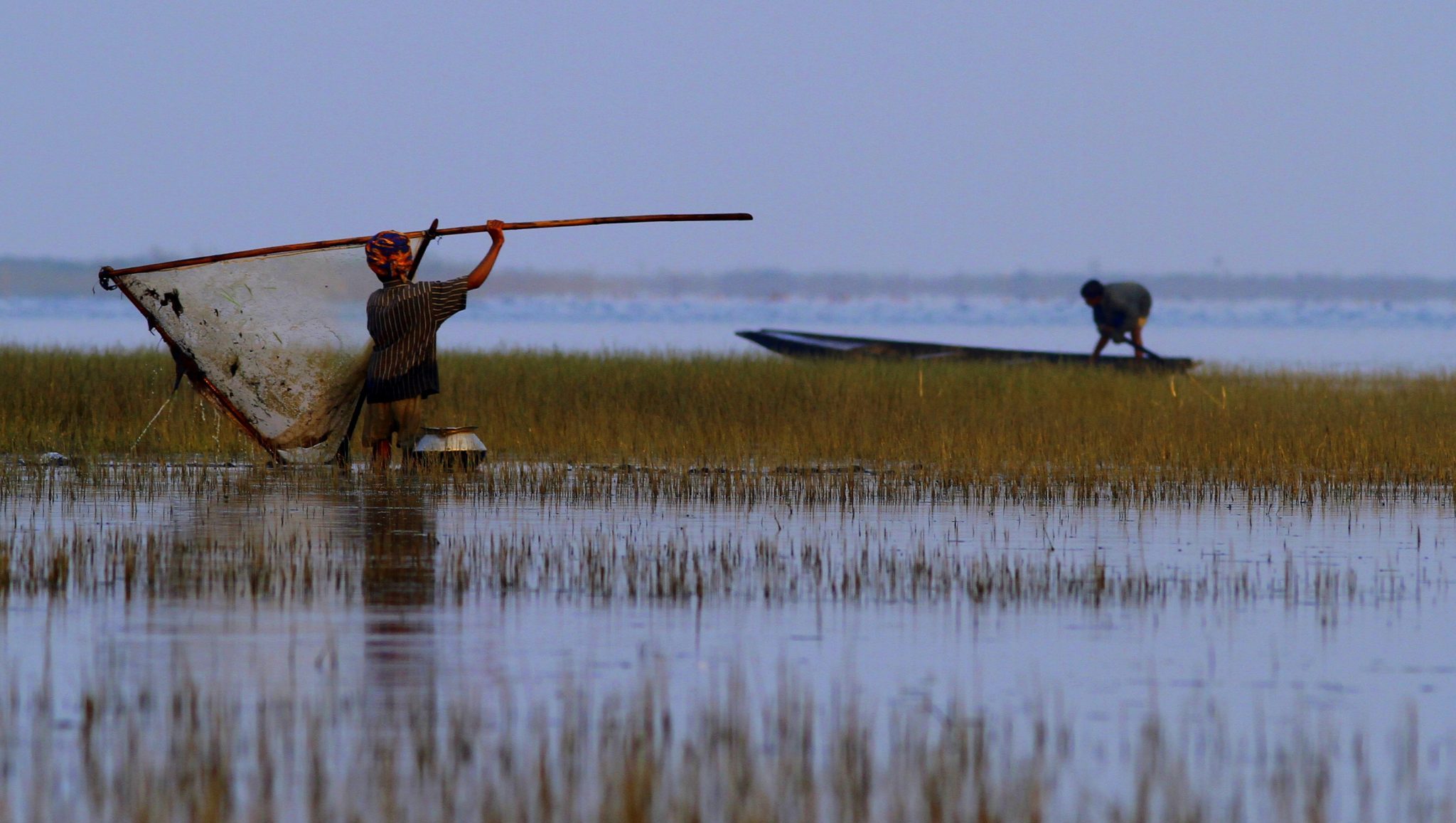
This World Wetlands Day, we celebrate the theme, ‘Wetlands and traditional knowledge: celebrating cultural heritage.’ As wetlands disappear, birds, livelihoods and knowledge are at risk. Across the BirdLife Partnership, we work with communities worldwide to protect wetlands for people and nature.
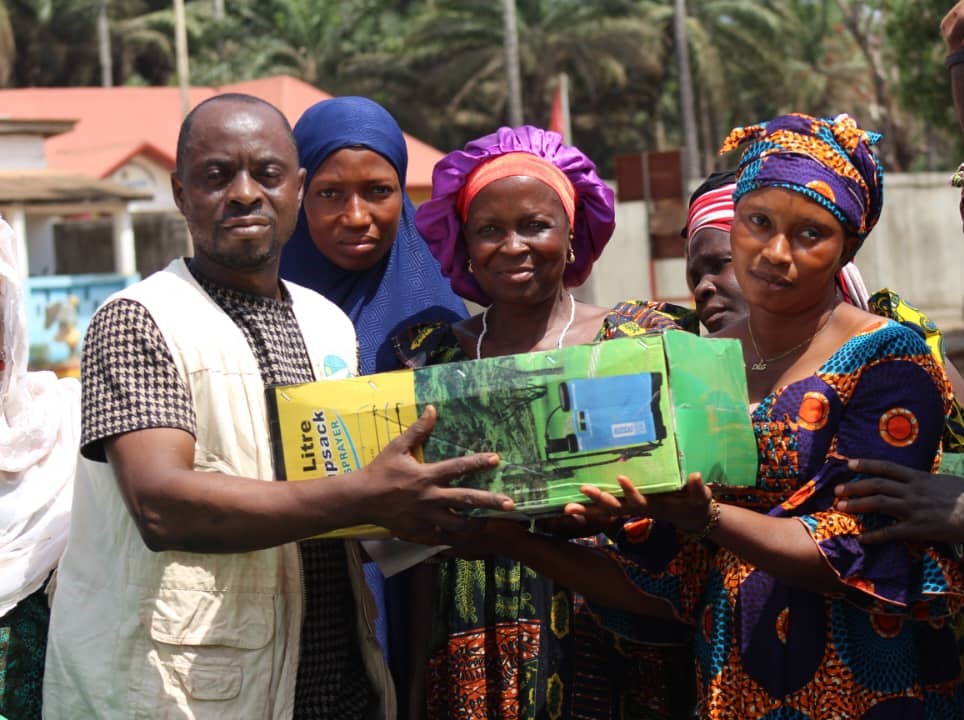
Seventy-three kilometers from the city of Forécariah, in southwestern Guinea, lies Benty, at the confluence of the Melakore River and the Atlantic Ocean. This is where a discreet, vast, and fragile territory is located: the Melakore estuary.
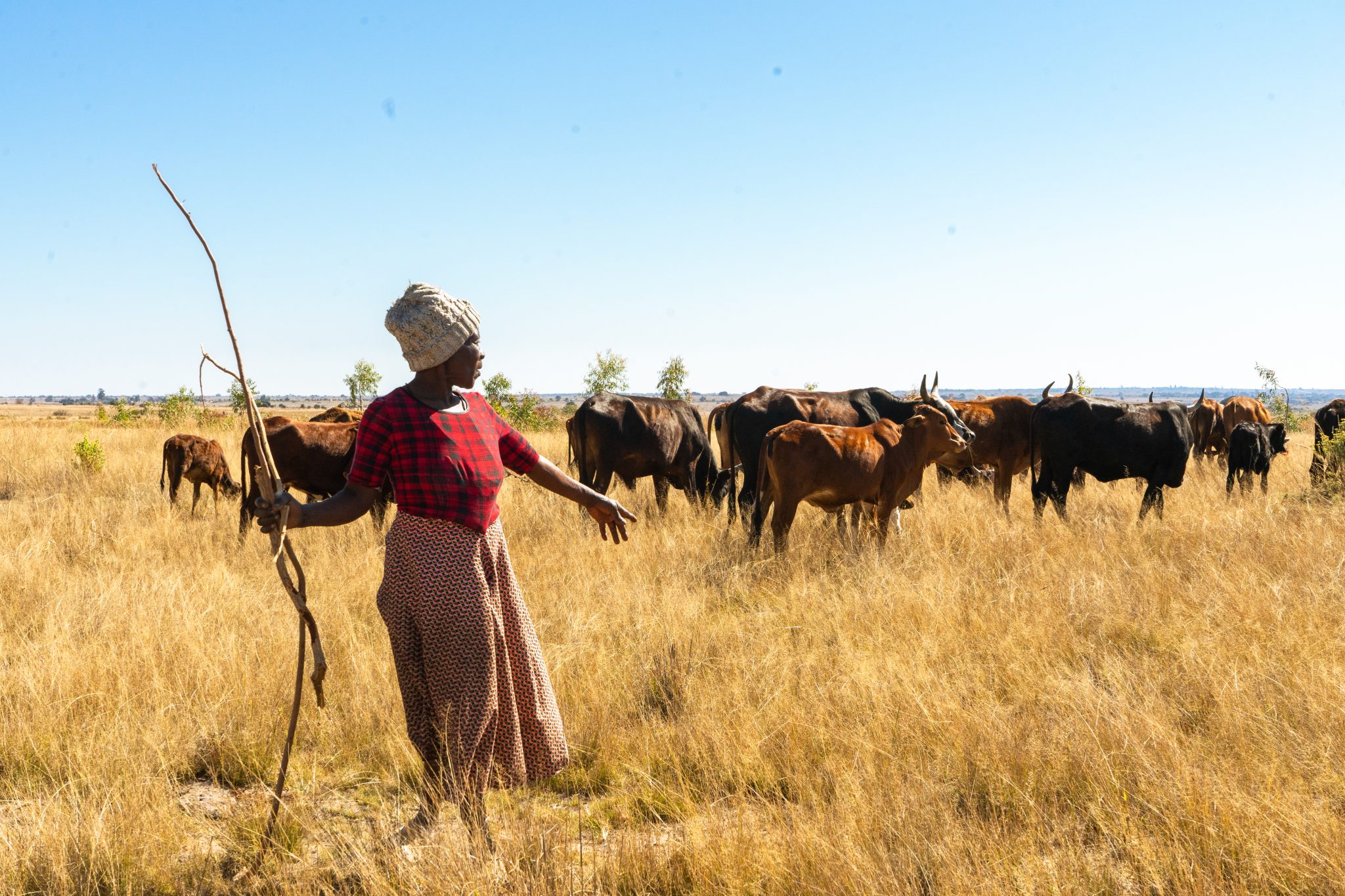
As the International Year of Rangelands and Pastoralists 2026 unfolds, the global importance of grasslands comes into focus, revealing what is at stake for birds and people, and how community-led conservation can secure their future.
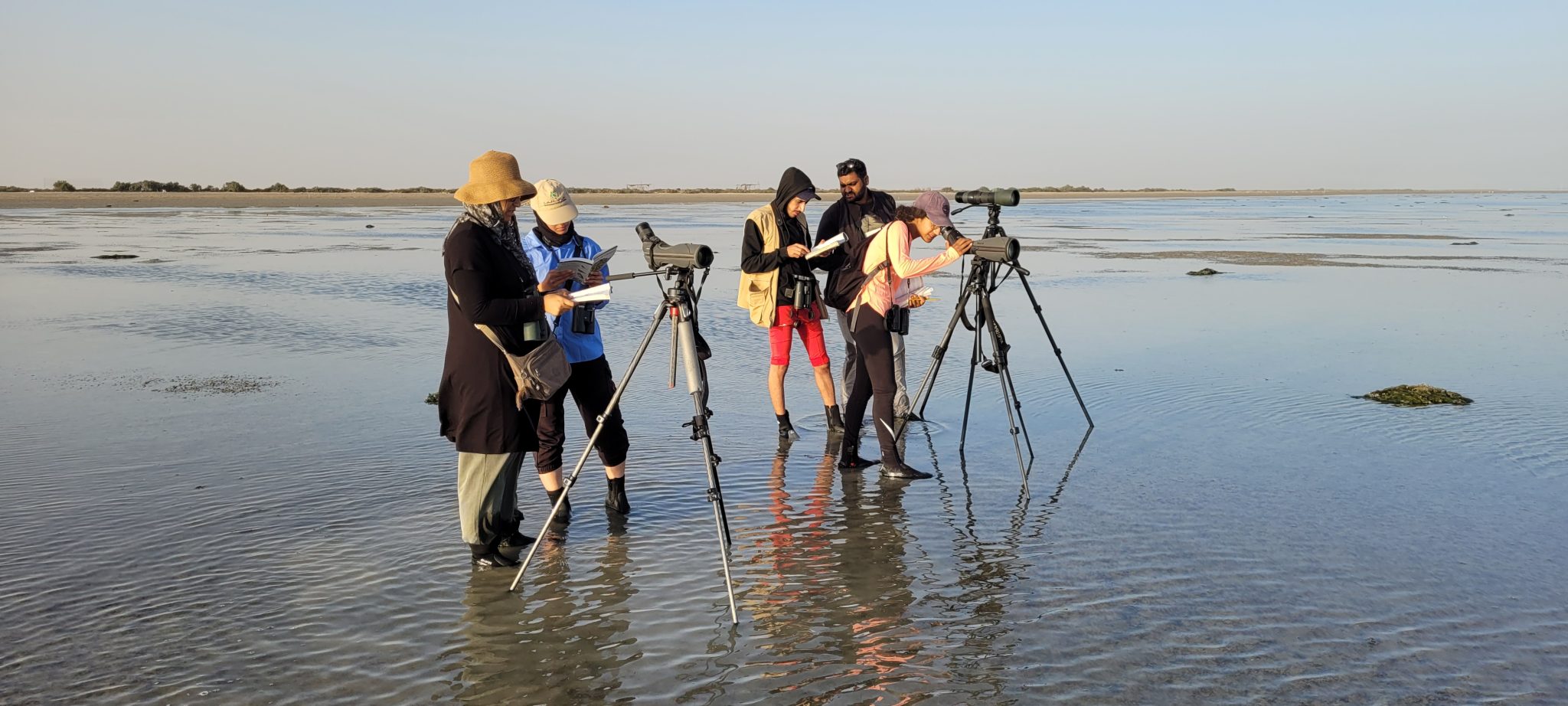
This month marks the 60th International Waterbird Census (IWC), one of the world’s longest-running site-based bird monitoring programmes. This collaborative global effort continues to generate essential data that underpins effective conservation around the world.
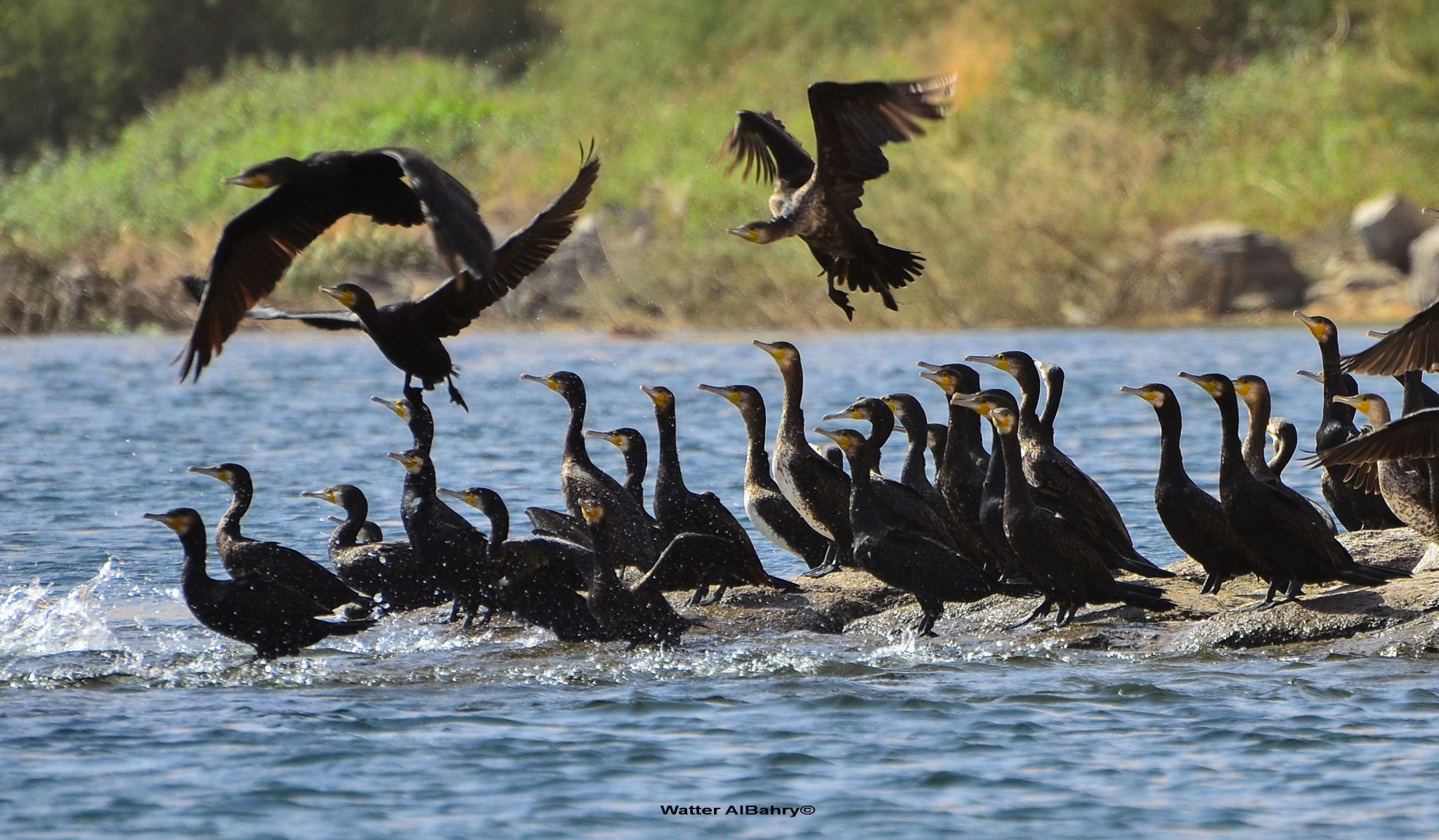
Lake Nasser, one of the world’s largest man-made lakes, stretches nearly 500 kilometers across southern Egypt into Sudan.