Working with the private sector to deliver positive change for nature
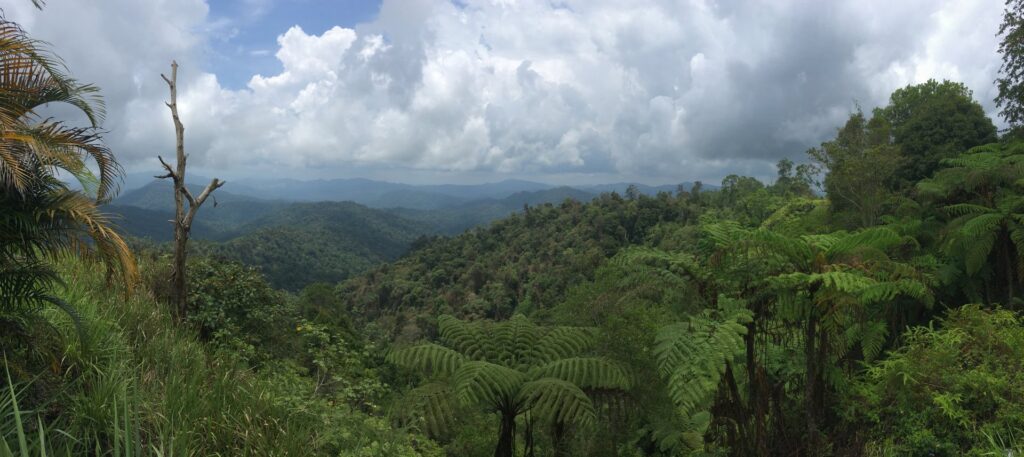
To advance evidence-based business policy and practice, we collaborate with businesses and financial institutions to identify and align what is good for business and nature.
We use the expertise from our Global Team and 124 Partners across 119 countries to translate ambition into localised action. Everything we do is based on science and informed by local knowledge, fostering the development of defensible and robust investments that deliver positive outcomes for both biodiversity, people, and business.
Biodiversity & Business Partnerships: Areas of Collaboration
BirdLife works with companies which have a demonstrated commitment to improve internal as well as sectorial environmental performance.
Each of our business partners must fulfil a rigorous due diligence process to ensure that our respective goals and priorities are aligned and that any potential risks don’t outweigh the benefits to biodiversity.






To find out how your business could work with BirdLife, please contact Nina Mikander, Global Director of Policy and Business: [email protected].
Biodiversity Data & Tools
BirdLife is a world-leader in conservation science – and it underpins everything we do.
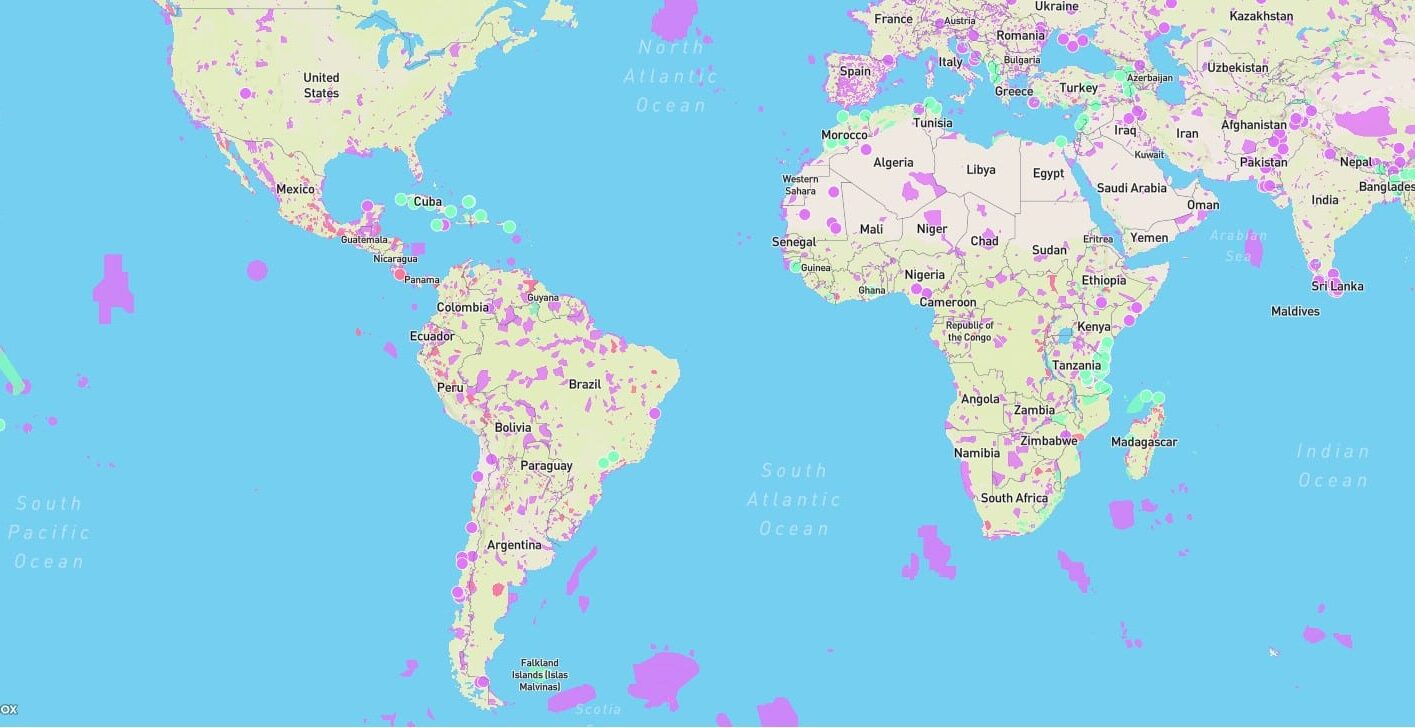
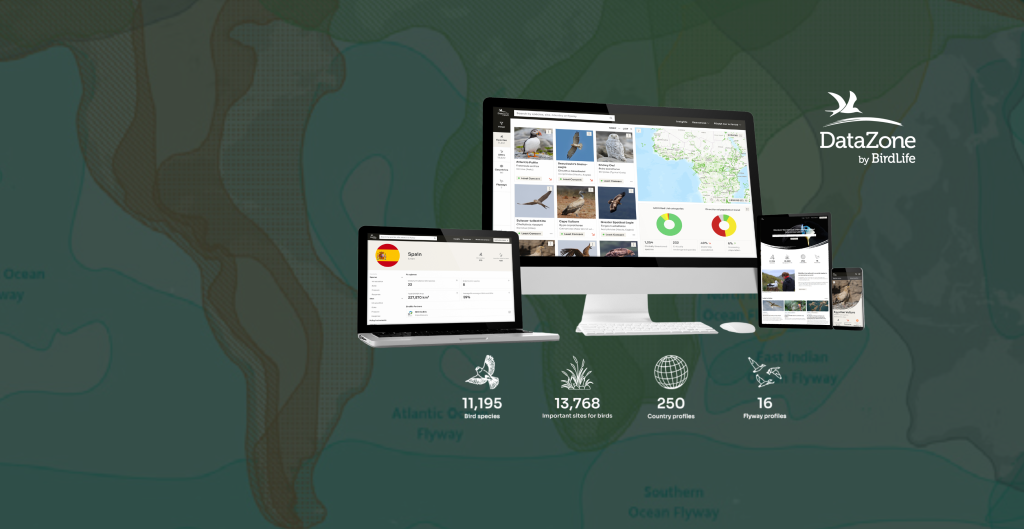
In 2025, we launched our DataZone – a huge repository of research, insights and up-to-date information on birds and biodiversity worldwide. This information underpins flagship publications like the State of the World’s Birds.
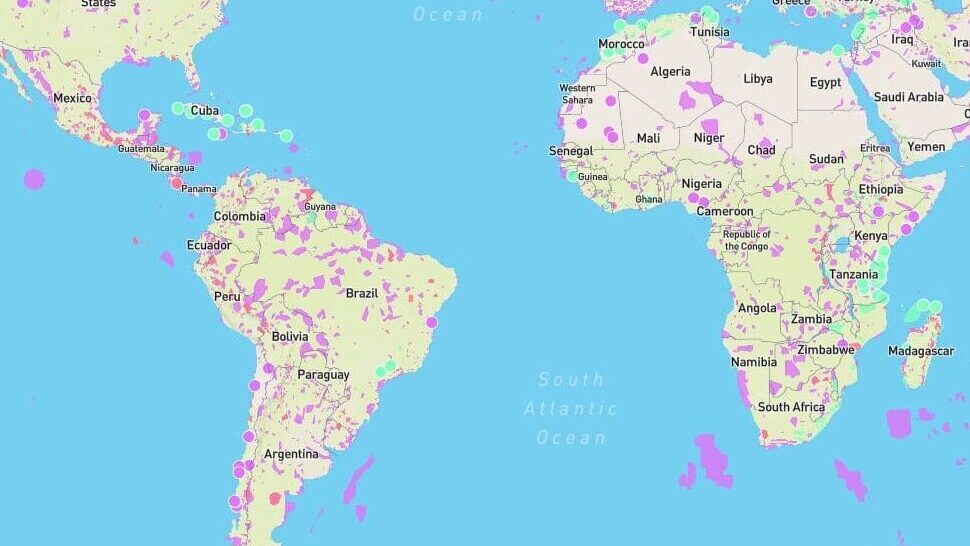
BirdLife International is a partner in the IBAT Alliance, a coalition of four leading conservation organisations that developed and maintain the Integrated Biodiversity Assessment Tool (IBAT). IBAT provides commercial access to the world’s most authoritative biodiversity data for web-based mapping, analysis, and reporting to help you assess risk, prioritise nature-related action and meet disclosure requirements.
We are a co-founder of the Key Biodiversity Area (KBA) Partnership – an ambitious partnership of 13 global conservation organisations tasked with supporting nationally-led efforts to identify KBAs (the most important areas for the persistence of biodiversity), maintaining the World Database of KBAs (WDKBA), and promoting conservation of these sites.
BirdLife is the avian authority of the IUCN Red List of Threatened Species coordinating the process of evaluating all of the world’s bird species against the Red List categories and criteria in order to assess their extinction risk.
These tools help businesses prioritise sites and species to include in biodiversity strategies, site-specific biodiversity management plans, and additional conservation actions. In addition, the WDKBA and IUCN Red List are widely reference in nature-related frameworks, standards, and frameworks such as the TNFD, GRI 101: Biodiversity, IFC PS6 and ESRS E4 Biodiversity and Ecosystems.
Site-based Conservation & Restoration
With 124 Partners in 119 countries, we are in a unique position to translate global policies and strategies into local action. We identify, codevelop and implement conservation projects that generate value for nature, business and society.
We are working with multilateral development banks such as the World Bank and the Asian Development Bank to identify innovative blended financial mechanisms to scale finance toward the conservation of priority sites along the global flyways.
To speed up and scale restoration efforts, we have joined forces with WWF and WCS to create Trillion Trees, a platform to connect finance with forest conservation ventures.
Energy & Infrastructure
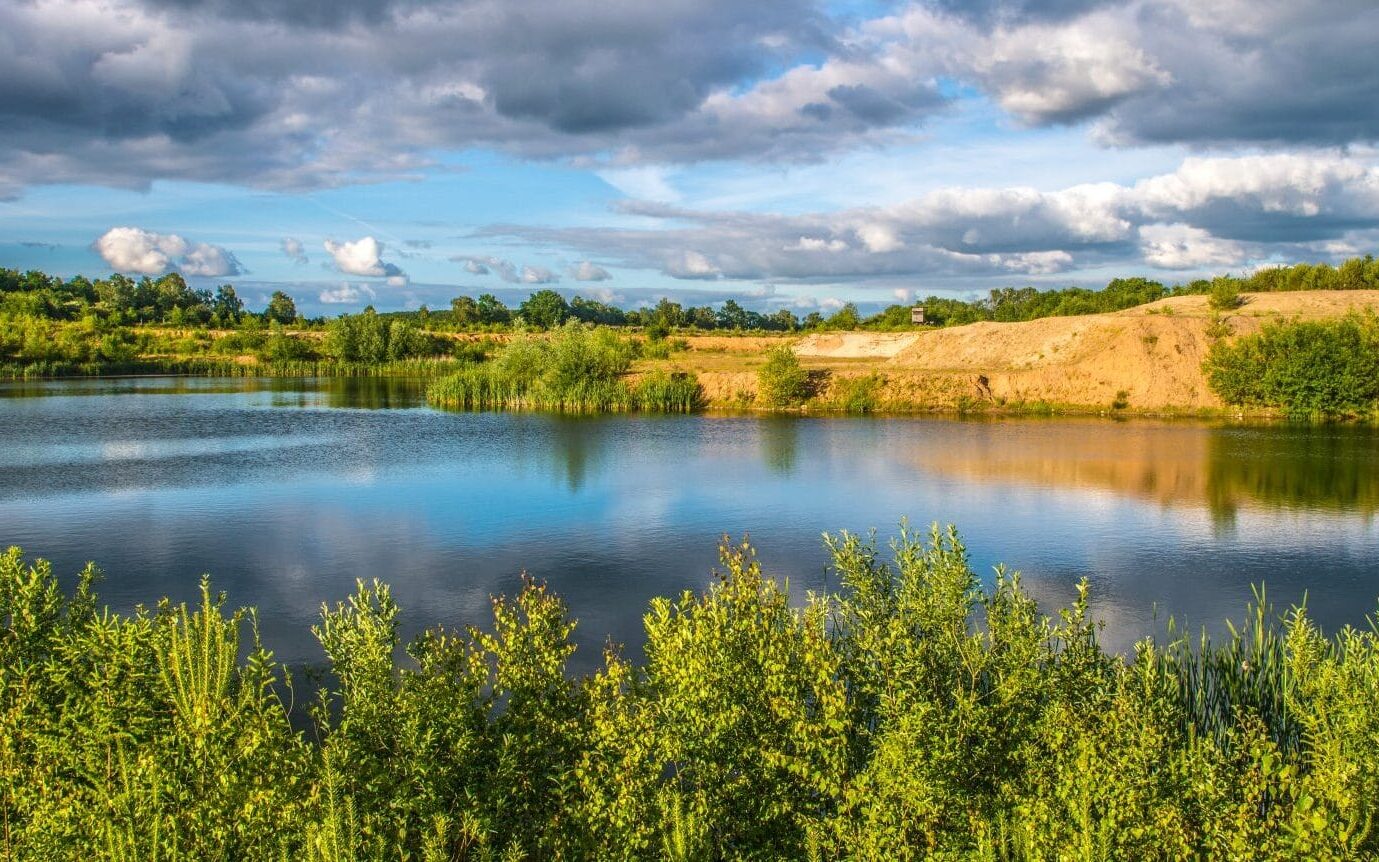
The rapid expansion of renewable energy is a critical component of the global response to climate change. However, if renewable energy infrastructure is not appropriately sited, designed, and operated, it can pose significant risks to species such as migratory birds.
As the coordinator of the Convention on Migratory Species’ Energy Task Force and a founding member of the Coalition Linking Energy and Nature for action (CLEANaction), BirdLife is strategically placed to help ensure that the tools and best practice needed for sustainable renewable energy development are mainstreamed across the global energy sector. We frequently produce publications on the nature-safe energy transition and support stakeholders within the energy sector with integrating biodiversity into their strategy and operations.
BirdLife International is the world authority in the field of sensitivity mapping – overlaying resource potential for onshore and offshore wind, photovoltaic solar and transmission lines with avian sensitivity. We have developed AVISTEP, an online mapping tool which is designed to provide planning authorities, environmental consultants, developers and financial institutions access to datato enable evidence-based decision making on the optimum safe siting based on resource potential and nature sensitivity.
Sustainable Agriculture
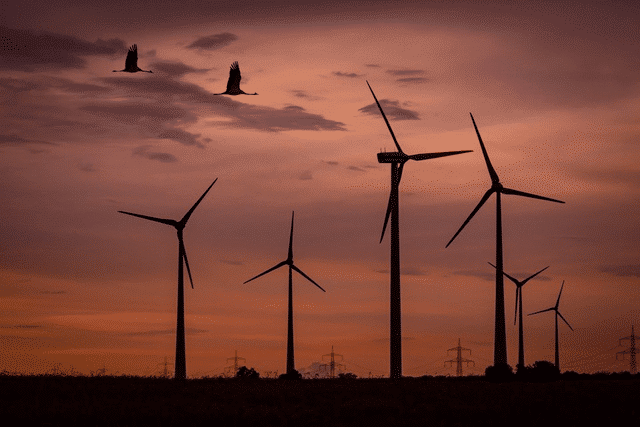
At BirdLife, we advocate for and work towards fair food systems that benefit farmers, workers, and consumers while respecting planetary boundaries.
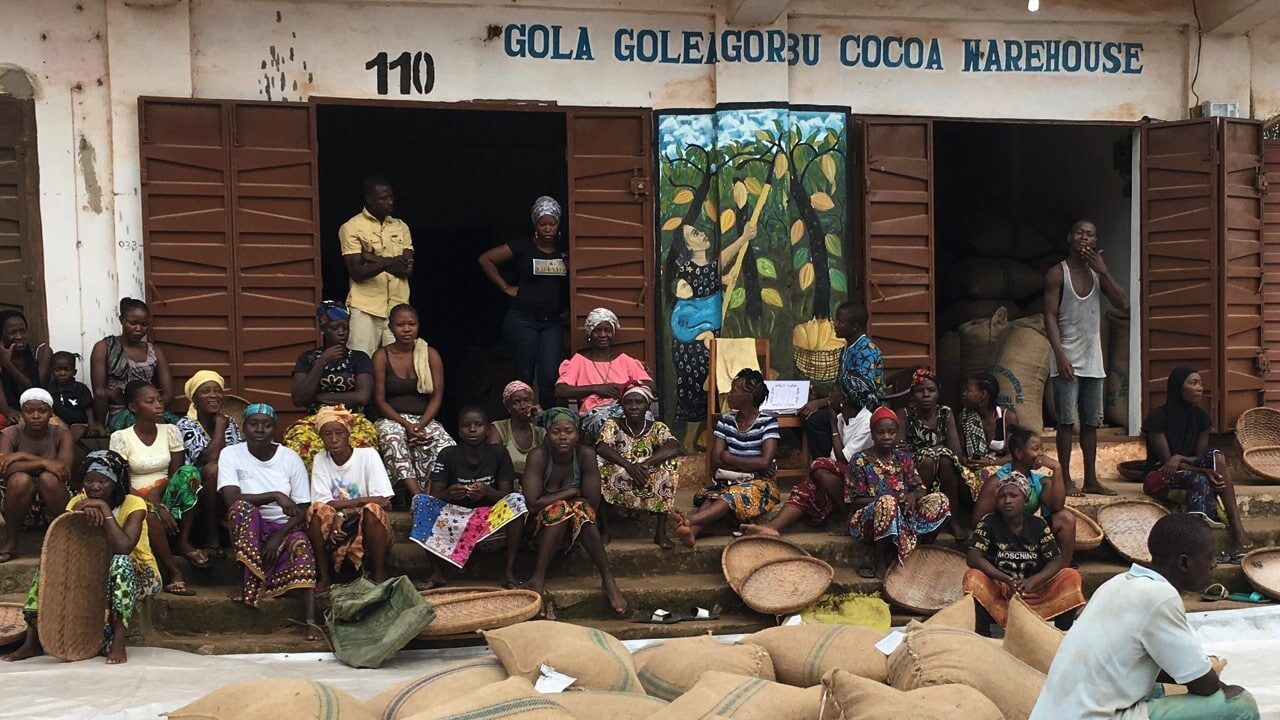
The BirdLife Partnership works across a number of commodities, including cocoa, rubber, rice, beef, yerba mate, candle nut, and shea. Our programmes are designed to empower communities and improve their livelihoods.
For more than 17 years, BirdLife Partners in Argentina, Brazil, Paraguay and Uruguay have collaborated through the Alianza del Pastizal (the Grassland Alliance) with rancher communities, a regional effort to conserve natural grasslands across the Southern Cone of South America.
Sustainable Fisheries
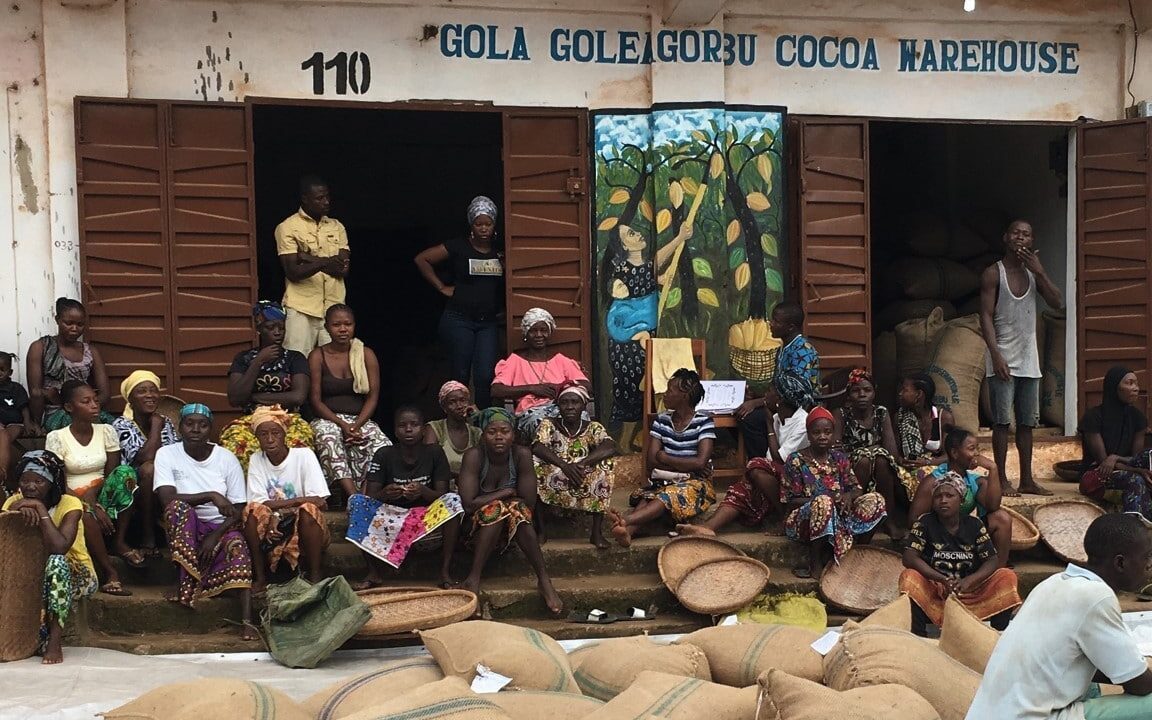
To address the issue of seabird bycatch, BirdLife is a member of the Marine Stewardship Council (MSC) Stakeholder Advisory Council, and engages directly with the seafood supply chain in Japan and works with the Seafood Business for Ocean Stewardship (SeaBOS).
In 2004, our Marine Programme established its Seabird Tracking Database. This tracking data has been vital to support an array of work undertaken by BirdLife’s marine team. For example, seabird tracking data combined with spatial fishing activity data, through a collaboration with Global Fishing Watch, has been used to identify where seabirds encounter fisheries and where they are most at risk of bycatch. This risk analysis helps inform where to focus the deployment of bycatch mitigation techniques.
Responsible Mining and Extraction
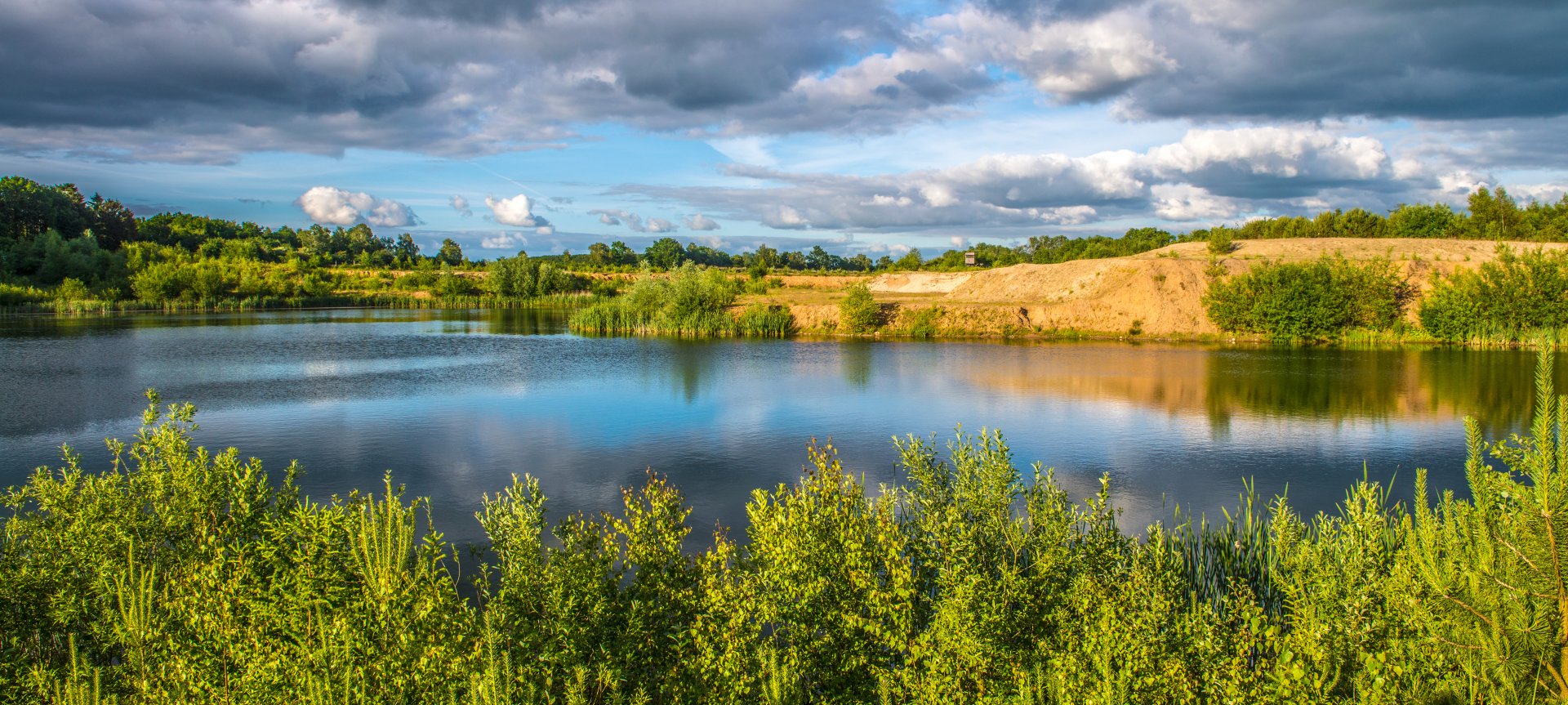
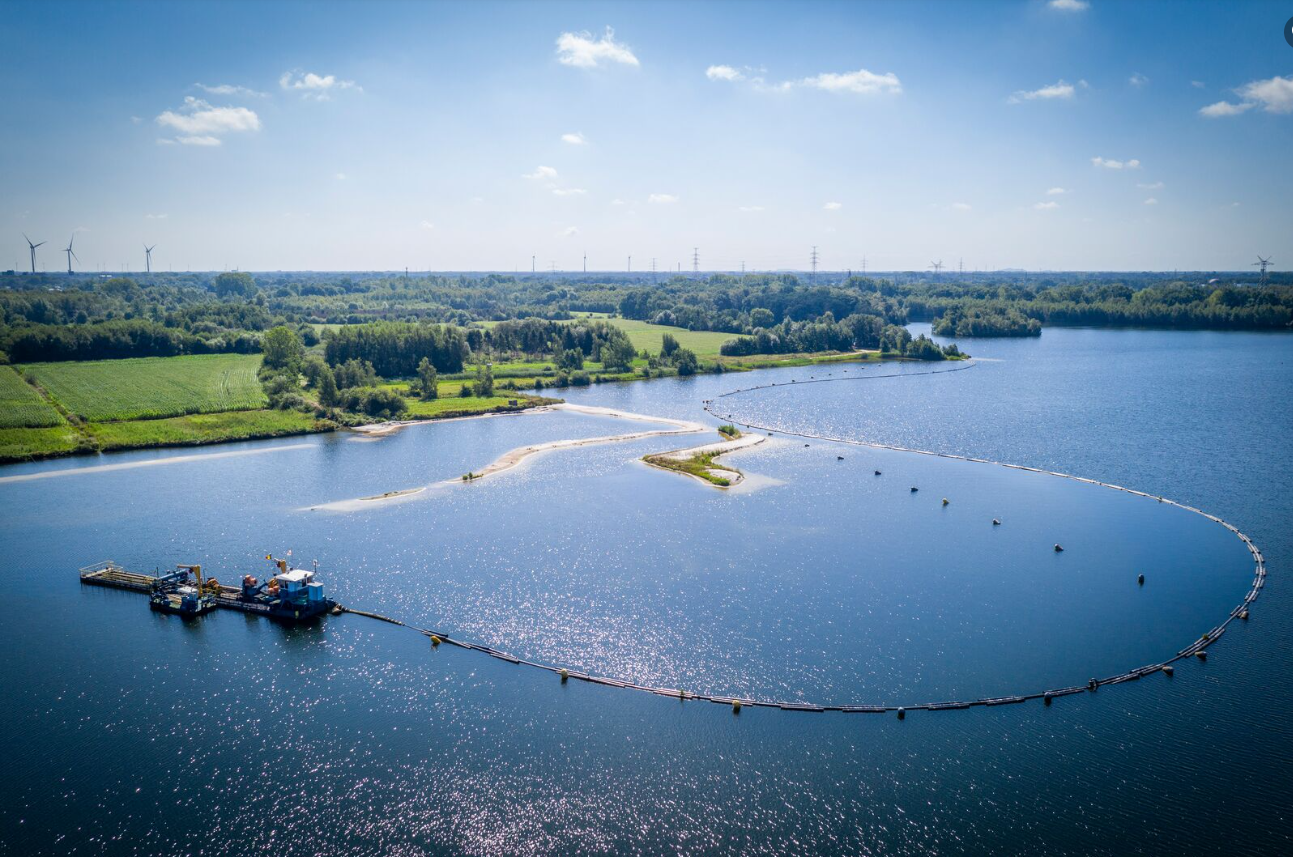
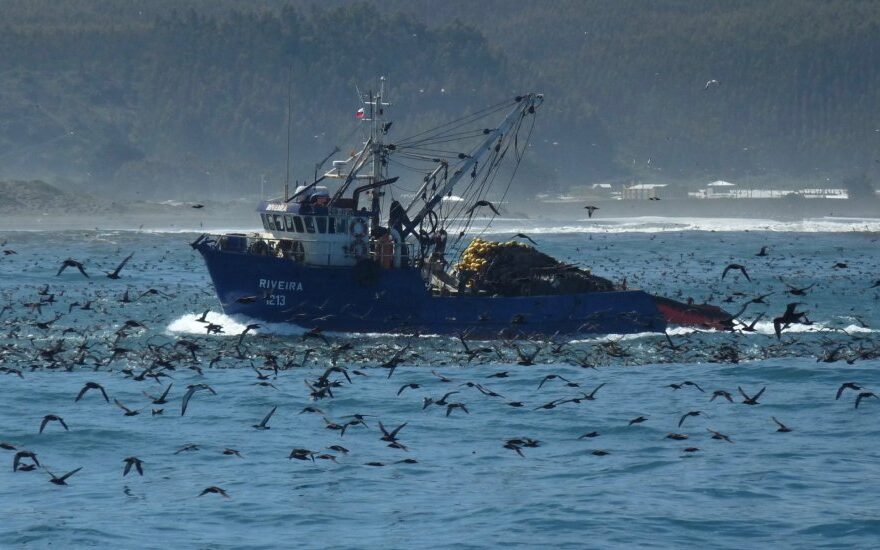
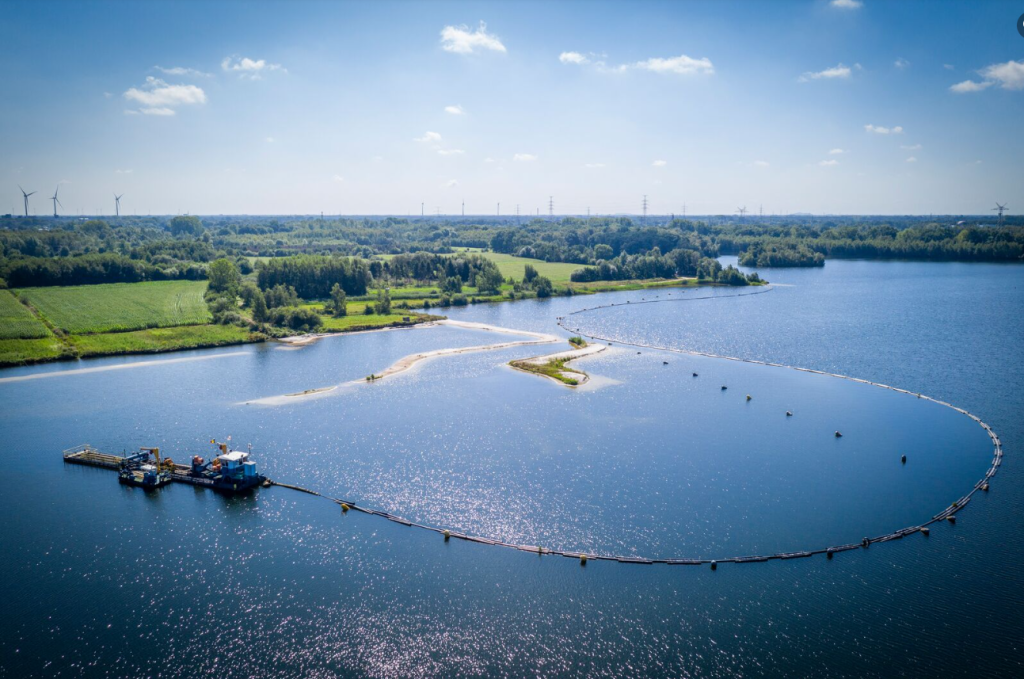
If carefully designed, it has been proven that mineral extraction operations can reduce their impacts on landscapes and biodiversity while simultaneously creating opportunities for unique habitats and threatened species to flourish.
BirdLife International has long-term partnerships with Sibelco, Heidelberg and Rio Tinto, where we collaborate on areas such as implementing biodiversity management plans, establishing biodiversity accounting frameworks and implementing restoration projects.
Stay up to date
Sign up to receive the latest bird conservation news. You’ll also receive updates about our projects, science and other ways to get involved including fundraising.
Thank you for your support, we are committed to protecting your personal information and privacy. For more information on how we use your data, please see our Privacy Policy. You can unsubscribe from emails at any time by using the link in the footer of any email from us.