BirdLife DataZone
Dig into the science underpinning our work. Browse through articles, fact sheets and case studies, or explore dashboards and insights on more than 11,000 species and 14,000 sites across 250 countries and territories.
As a global Partnership, we believe in internationalism. We have translated as much content in your language as our resources allow. Please visit the English language site to view all of our content.

We’re a world-leader in conservation science — and it underpins everything we do.
Our science shows us where we’re needed most.
It directs our actions on the ground. It powers our Partnership and advocacy efforts across the globe. And it helps us convince decision makers to protect birds, nature, and all life on our planet.
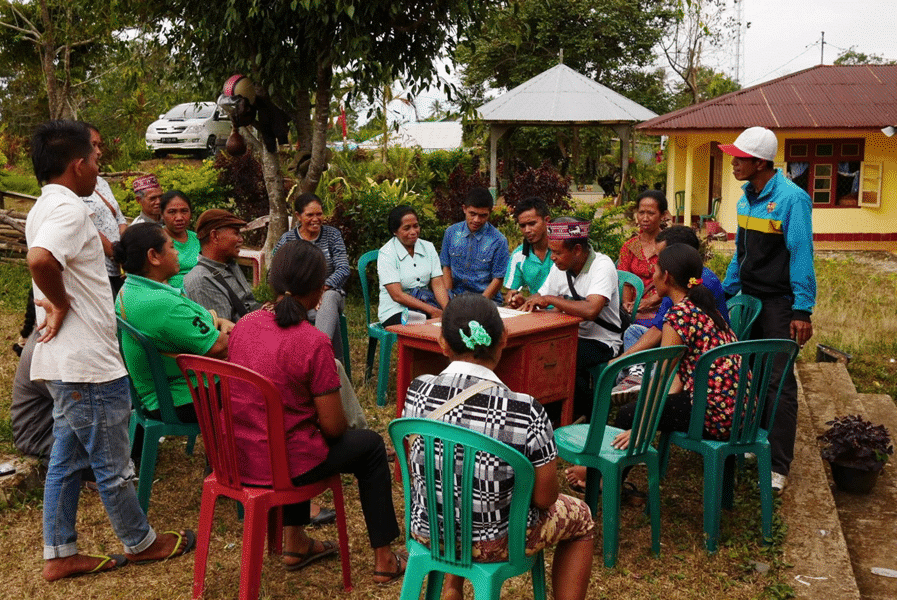
From the rainforests of South America to the Arctic ocean, we’re in the field — carrying out research, collaborating with universities and governments, and setting national agendas. That science-based work, the collective effort of 124 national Partners across 119 countries, drives real change.
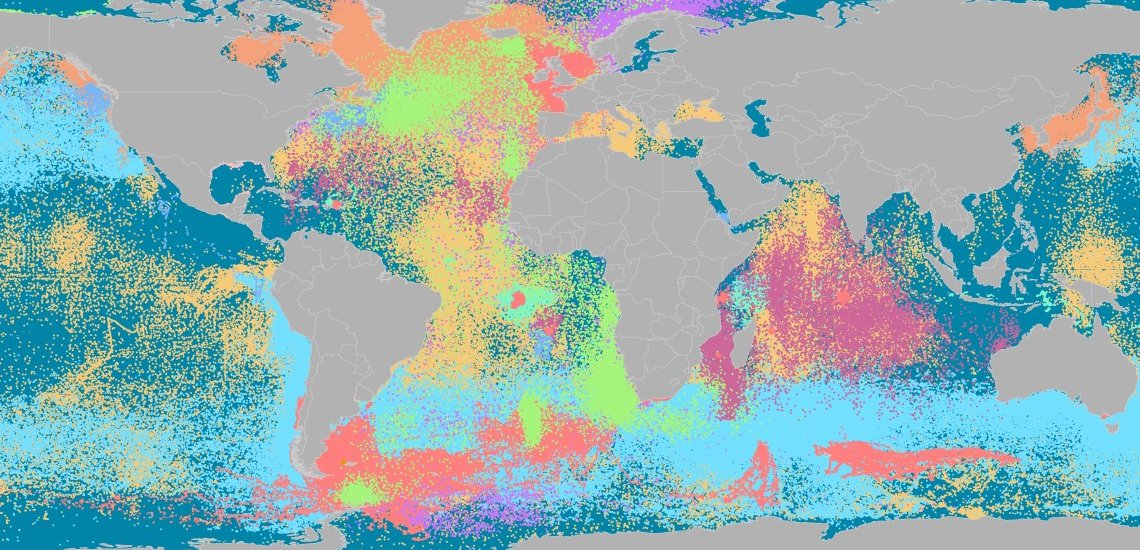
It powers our DataZone — a huge repository of research, insight and up-to-date information on birds and biodiversity worldwide. It underpins flagship publications like State of the World’s Birds, which takes the pulse of species, sites and the planet overall. And it fuels a huge array of tools — from seabird tracking, to flyway monitoring — that are vital to safeguard birds the world over.
In the last 30 years, we’ve helped save at least 16 species of birds from extinction. We’ve convinced governments to protect more than 1.2 million hectares of natural habitats — an area almost twice the size of Texas or France. And we keep going. With science guiding the way, we’re plotting a path to a brighter future for nature.
Dig into the science underpinning our work. Browse through articles, fact sheets and case studies, or explore dashboards and insights on more than 11,000 species and 14,000 sites across 250 countries and territories.
Find out more about our flagship science publication, where we use our extensive data on species and sites to take the pulse of the planet overall.

Dr Stuart Butchart
Chief Scientist
Stu leads BirdLife’s Science Division, providing strategic oversight for the team’s work to develop and manage BirdLife’s global scientific datasets and undertake research to underpin BirdLife’s Conservation Programmes. He has worked on assessing the extinction risk of the world’s birds for the IUCN Red List, launching BirdLife’s Preventing Extinctions Programme, developing biodiversity indicators (including the Red List Index), establishing the KBA Partnership and was a Coordinating Lead Author for the IPBES Global Assessment. He has published widely on the state of the world’s birds, the threats to them, the solutions required, and the impact of conservation.

Dr Ian Burfield
Global Science Coordinator (Species)
Benjamin Olewine Fellow
Ian provides scientific input on species to BirdLife’s conservation programmes, especially the Preventing Extinctions Programme, to help inform action and underpin BirdLife’s policy, advocacy and communications. As coordinator of the Red List Authority for birds, he oversees BirdLife’s ongoing work to reassess and document the extinction risk of the world’s 11,000 species. He also supervises the development and promotion of BirdLife’s scientific journal, Bird Conservation International. Ian joined the Global Science Team in 2013 after a decade with BirdLife Europe, where he assessed species’ regional conservation status, validated proposed Important Bird Areas, developed indicators and reporting frameworks, and promoted monitoring.

Dr Olivia Crowe
Global Science Coordinator (IBAs/KBAs)
Olivia coordinates BirdLife’s global science work on Important Bird and Biodiversity Areas (IBAs) and Key Biodiversity Areas (KBAs). She supports the BirdLife Partnership to apply scientific standards (IBA Criteria and KBA Standard) to the identification, delineation and documentation of important sites. She leads the development of technical aspects of IBA and KBA monitoring, and co-chairs the KBA Technical Working Group contributing to technical documents, processes and bodies under the KBA Programme. She also currently oversees the development of the World Database of KBAs.