Changing how Europe eats could save millions of lives – and countless birds
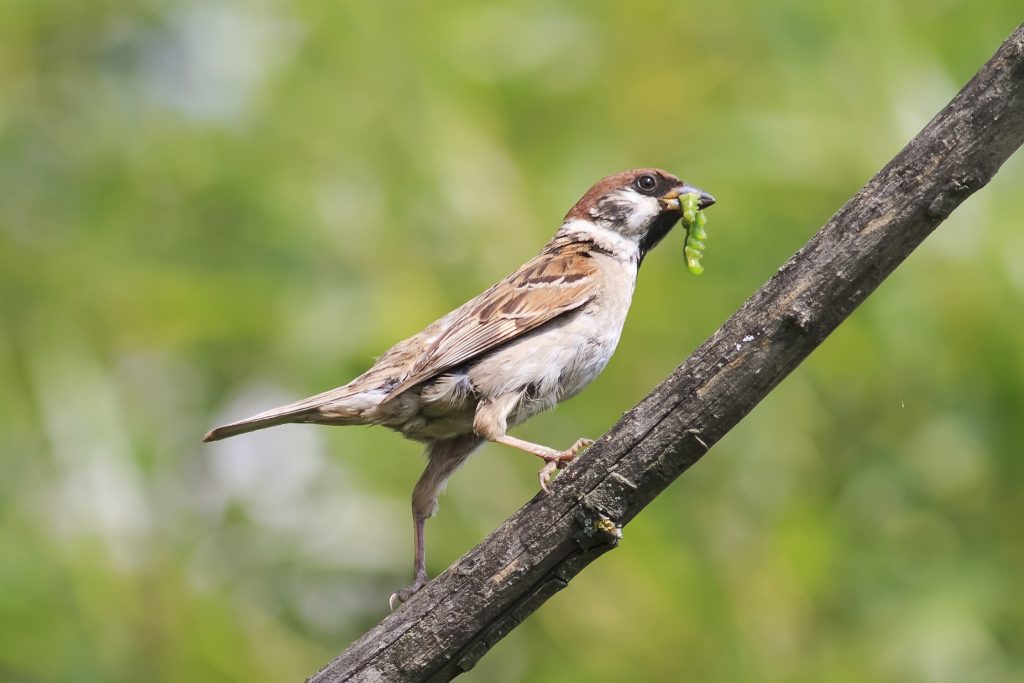
Europe’s food system is facing a biodiversity and environmental crisis, driven largely by human choices - particularly how we use land to produce food, what we eat and how much food we lose or waste.
The consequences are visible across the natural world. The conversion of land to agriculture is linked to around 70% of terrestrial biodiversity loss. Since 1900, wild mammal biomass has declined threefold, while livestock animal biomass has increased threefold. Birds are also under severe pressure: EU farmland bird populations have declined by 58% since 1980.
These trends show that protecting biodiversity cannot be separated from transforming the food system. Scientists increasingly agree that we will not be able to address the climate, environmental, and biodiversity crises without changing how we produce, consume, and manage food.
A well-functioning food system must do more than provide enough nutritious food for everyone. It must also operate within the environmental limits that help keep Earth stable, safe, and liveable for humanity. But how can this be achieved as the world population continues to grow?
In October 2025, the EAT-Lancet Commission published a new report addressing precisely this challenge: how can we feed a global population of 10 billion people nutritious food by 2050, while staying within environmental limits and avoiding unfair conditions for those who grow, produce, and sell our food? [iv]
The scientists identify three essential areas for action.
First, food production must become more sustainable. This means reducing agrifood emissions, ending deforestation, restoring habitats, using fertilisers more efficiently, and preventing pollution from reaching rivers, lakes, and oceans. Second, diets must shift towards more flexitarian patterns: plant-rich diets that may include small amounts of meat, dairy, and fish. Third, food loss and waste must be significantly reduced.
Putting these recommendations into practice could prevent up to 11 million premature adult deaths every year. It could also help protect the lives and habitats of countless wild species, including birds.
Now, the question is how to turn scientific evidence into practice?
BirdLife, together with other NGOs and scientific organisations, has brought together more than 90 food-system organisations to develop EU policy recommendations based on the EAT-Lancet framework. Farmers, food manufacturers and retailers, food-service providers, consumer representatives, public-health organisations and cities have all contributed.
Their shared insights are presented in the EU Policy Action Brief. By identifying the recommendations supported across different parts of the food system, the brief highlights where the greatest opportunities for EU policy action lie.
A few example policy asks include:
- Helping public institutions, such as canteens, schools, and hospitals, procure healthy and sustainable food
- Rewarding farmers and producers for sustainable and healthier production practices
- Investing in research and innovation that can open up new ideas and markets for the transition.
Transforming Europe’s food system is a significant and essential undertaking that will offer the chance of a healthier future for people, the planet, and the birds that depend on it.
Image: Bachkova Natalia/Shutterstock
You might also be interested in:
 |
Stichting BirdLife Europe gratefully acknowledges financial support from the European Commission. All content and opinions expressed on these pages are solely those of Stichting BirdLife Europe. The European Commission is not responsible for any use that may be made of the information it contains. |