No more blind birds: Reducing light pollution saves birds and energy

Simple changes to public lighting increase the survival of birds and save up to 60% of energy.
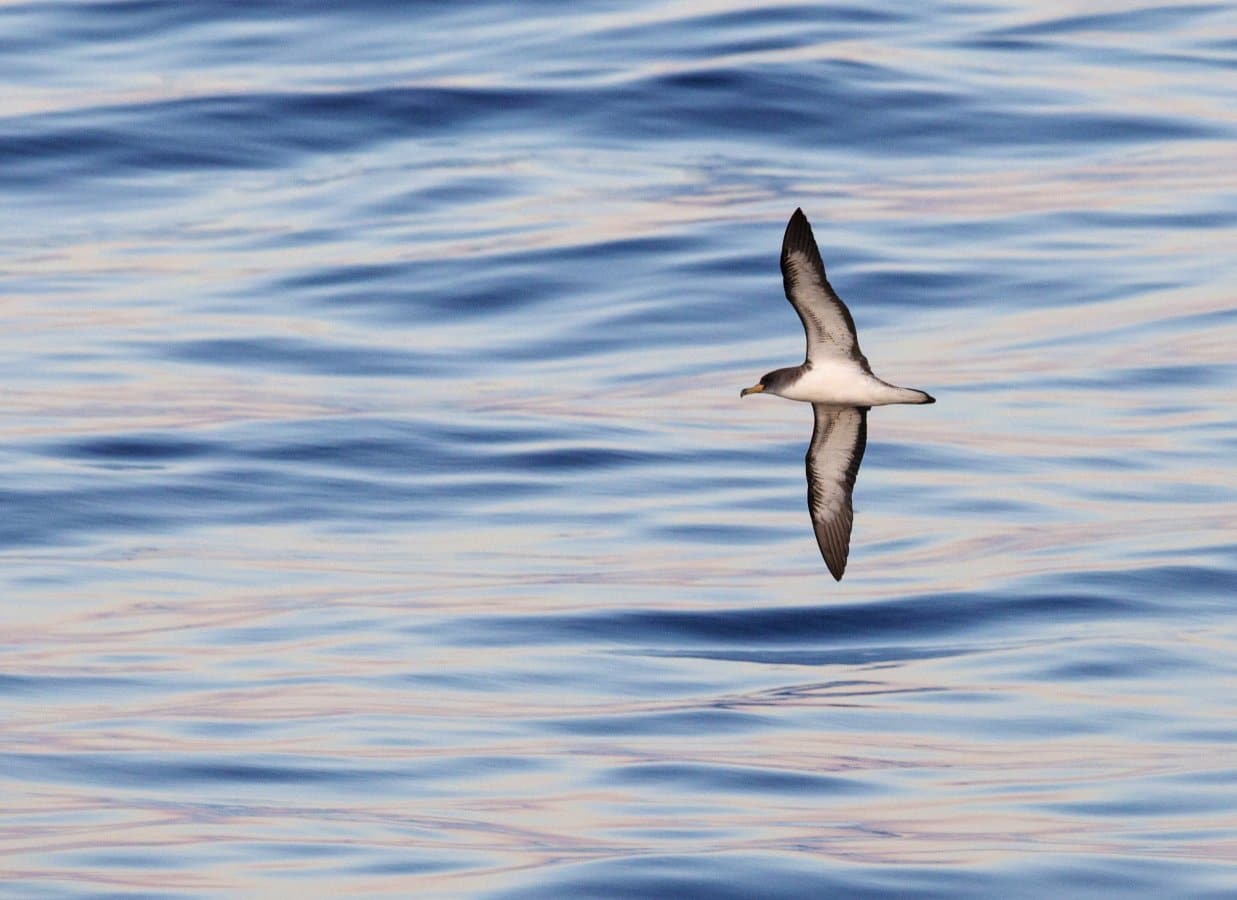
A young Cory’s Shearwater leaves its nest on a small island to head out to its future life at sea. It’s mid-October, the Shearwater’s eerie sounds carry across the water in the cool evening breeze. It’s time for them to leave their home soon. They flee the nest in the middle of the night, with nothing more than the light of the stars and the moon to guide their way.
The impact of artificial light on wildlife
But as human activity, cities and settlements expand along coastlines, nature is increasingly flooded by light that outshines the moon and the stars. The intense lights confuse the seabirds, and they often end up flying into city-made obstacles, or they fall from exhaustion while trying to find their way through the flood of lights. In some cases, the lights can also temporarily blind these young travellers.
In the archipelagos of Madeira, the Azores and the Canary Islands, more than 10,200 seabirds are rescued every year after becoming disoriented by artificial light. Excessive and poorly directed artificial light not only affects seabirds but also insects, bats, and migratory birds.
Uniting local communities to design light that works for everyone
But our world doesn’t have to be illuminated 24/7. The LIFE Natura@night project, led by our Portuguese Partner SPEA, brought together conservationists, lighting companies and local authorities to develop and implement solutions.
We have demonstrated that it is possible to light our cities, our roads, and even our homes better and that we all gain from it,” says Cátia Gouveia, coordinator of SPEA Madeira and of the LIFE Natura@night project.
The team has studied more than 23,500 insects and monitored bats and seabirds to identify the most vulnerable species, understand behaviour, and map risk areas associated with artificial light. Coastal areas are particularly affected by light pollution.
Not only scientists and conservationists participated in the project, but fishers, volunteers, students, and local communities played a significant role in the success. Over 10,000 people participated in the project’s activities, and around 17,000 students were involved in environmental education initiatives.
Simple lighting changes that cut costs and save birds
After years of research and measures taken, the team demonstrated that small changes make a big difference: light directed towards the ground, with adjusted intensity and a warm colour, used only when necessary, reduces impacts on wildlife and lowers costs.
Light pollution is one of the fastest-growing and most widespread forms of pollution globally. 99% of the population in Europe and the US lives under artificially brighter skies, with serious impacts on biodiversity and even human health. So, these new findings give a glimmer of hope for other regions.
“Together with local authorities, we developed Public Lighting Master Plans, which are a recipe for success. In Madeira, the Azores and the Canary Islands, we’ve shown that they work, and now they can serve as a basis for other local authorities to benefit too,” says Cátia Gouveia and adds, “We want to scale up these solutions to other regions and ensure that the night remains a vital space for biodiversity and for people.”


© Pepe Brix

You might also be interested in:
 |
Stichting BirdLife Europe gratefully acknowledges financial support from the European Commission. All content and opinions expressed on these pages are solely those of Stichting BirdLife Europe. The European Commission is not responsible for any use that may be made of the information it contains. |