Mixed Flock: Lovelater Sebele
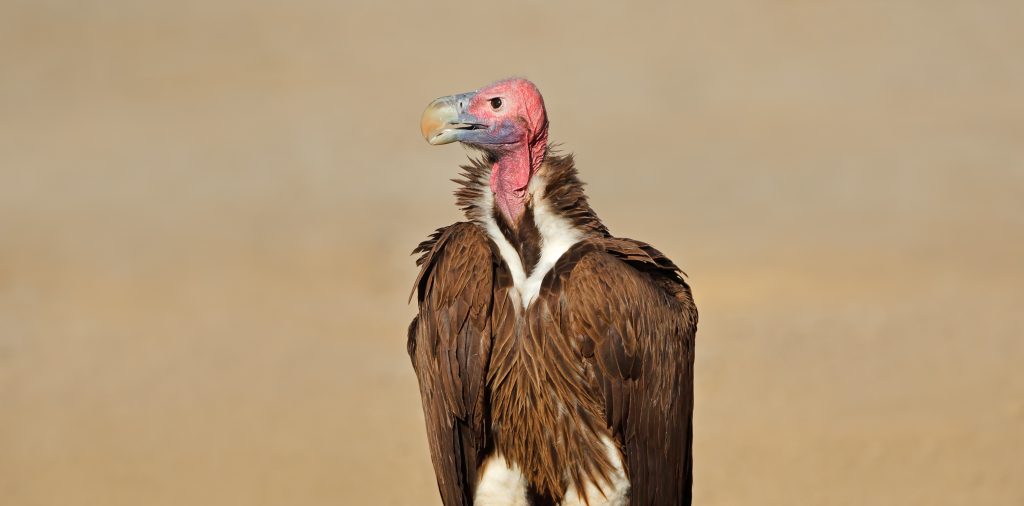
With her work with vultures at the forefront of her experience, BirdLife’s Lovelater Sebele explains why conservation should be inclusive and must not exclude marginalised groups.
In birding, a mixed flock can be the most exciting discovery. You never know which species will be found together, each with their own individual characters, ways of feeding, moving and acting, but part of a unified whole. Each bird has their own role to play in the group, forming an alliance that is stronger than the sum of its parts.
In this series, we celebrate the diversity of our BirdLife flock by interviewing individuals who add their character and perspective to our global partnership.
Avoiding ‘one-size-fits-all’ conservation with Lovelater Sebele
Lovelater Sebele is a Senior Vulture Conservation Officer at BirdLife International, living in Zimbabwe and working with Partners and stakeholders across southern Africa.
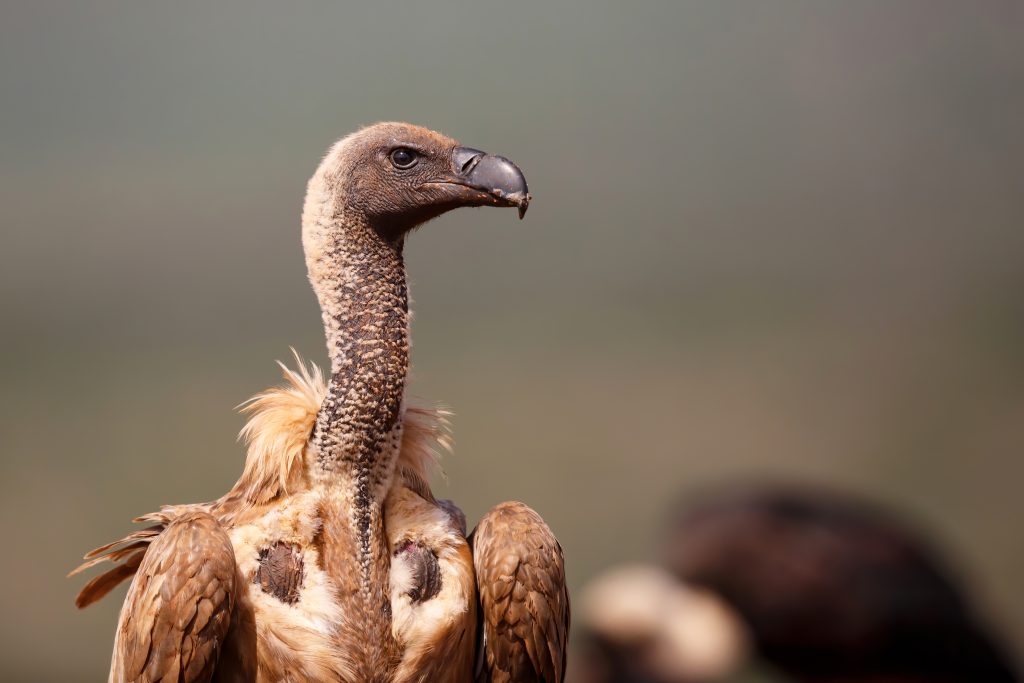
Vultures play a vital role in their ecosystems, with their carrion-cleaning efforts contributing natural services valued at US$1.8 billion in southern Africa every year. But as Lovelater explains, they can be under appreciated.
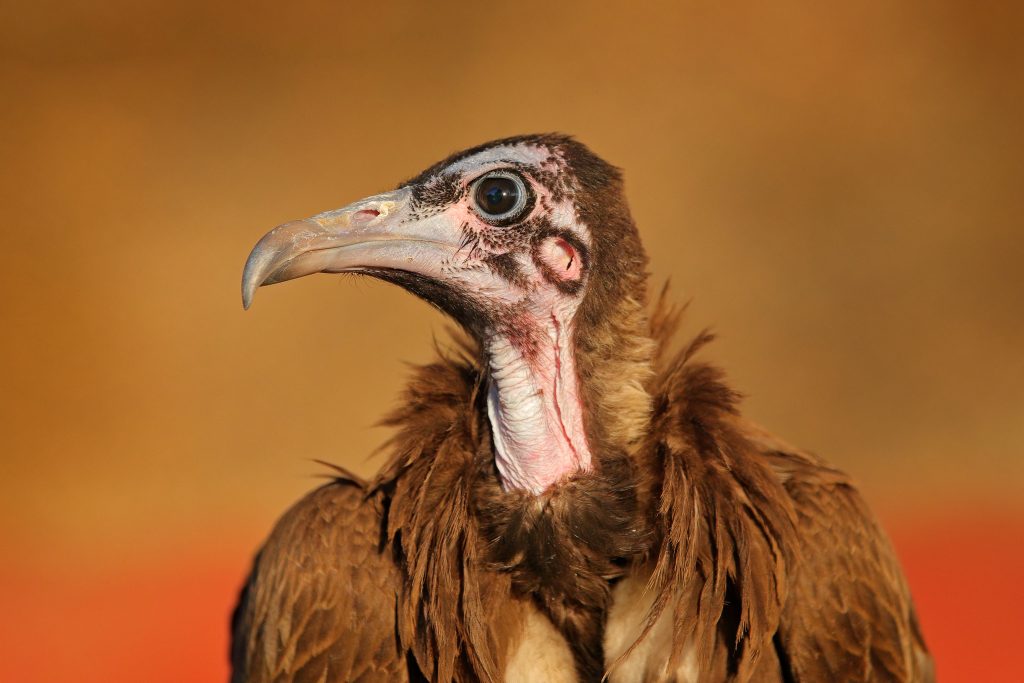
“First of all,” she says with a broad smile, “they are not good-looking birds. They are big with bald heads. They spend a lot of time on smelly carcasses. So people do wonder why you would actually want to work with vultures!”
Some people will hear that Lovelater’s job involves wildlife and protected areas in Africa and immediately think of big game species – elephants, lions, giraffes and zebras. Even in the conservation world, not everyone understands or appreciates vultures and the study of these birds.
But cultural connections with nature are longstanding in Africa, through the reverence of totems – often depicting animals and birds. At the very least, most people remain fond of the species depicted, demonstrating a link between them.
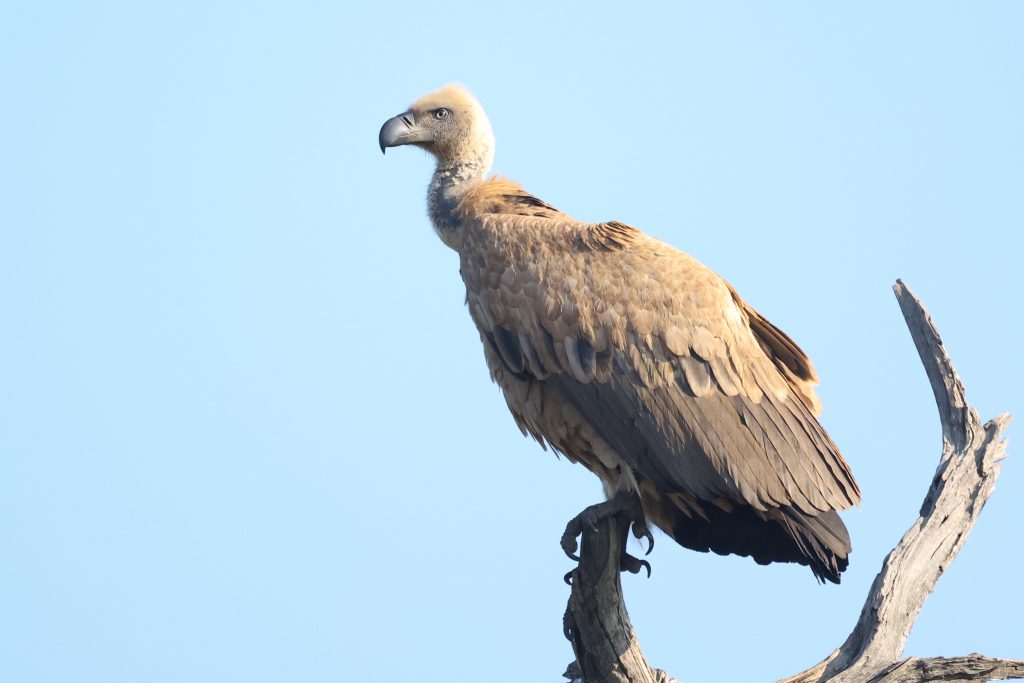
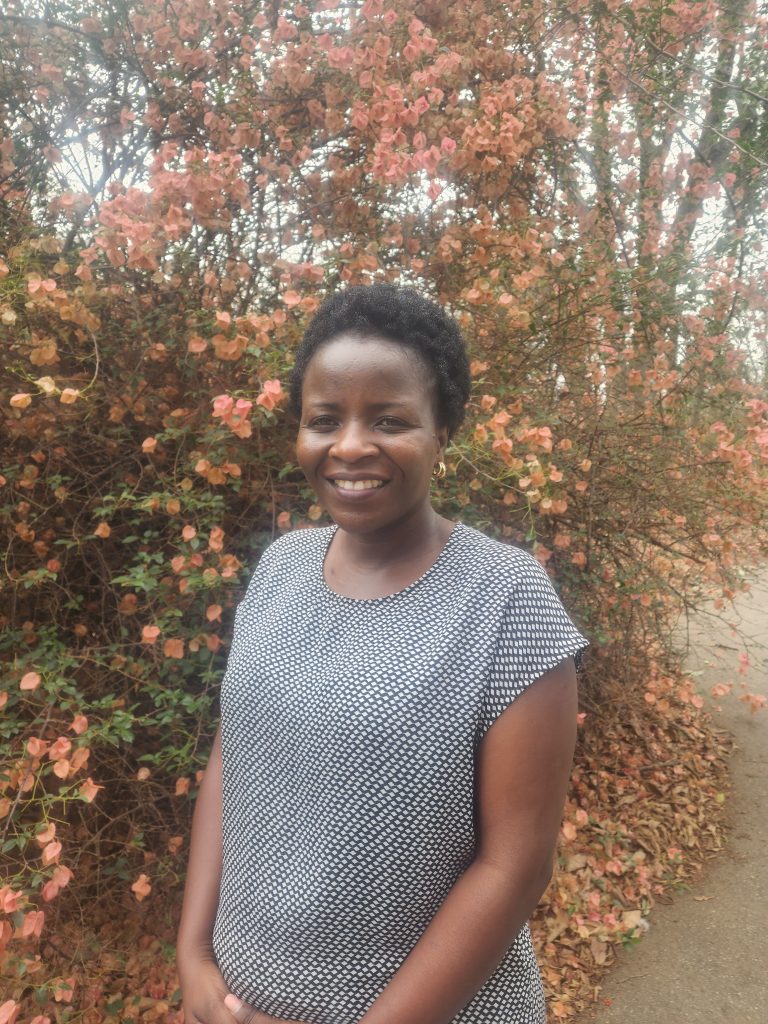
There are also ties that connect these people with their landscapes. “Birds have been used by African people to tell seasons,” says Lovelater. “They see these birds and they know the rain is about to come or that it’s going to be a dry year.” In this way, birds are indicators of aspects of these peoples’ livelihoods.
Other species are linked to people’s beliefs and cultural myths. It is thought that someone will die if a certain species lands on the roof of a building or sits there and calls, for example. Some are linked to witchcraft, which can be a double-edged sword: “Sometimes they’re persecuted because of that, but sometimes people are generally also just scared of them and leave them be.”
Vultures are one of the groups affected. “One of the things we are working on within the African continent is the ‘belief-based’ use of vultures,” Lovelater explains, “because vulture parts are used in both physical and spiritual healing in African culture.” This is just one threat that adds to the burden of these birds, several of which are Endangered or Critically Endangered.
Interestingly, Lovelater suggests a form of duality of knowledge (as explored in our previous Mixed Flock interview with Poshendra Satyal) may be linked to this practice. “Over generations, Africans have been people that are very observant of their surroundings,” she says. “Generally, they understand that vultures move long distances – they’ve seen it.” These birds cover these vast areas in search of food – the local explanation that they dream of where carcasses will be found means their heads became one of their body parts used for spiritual ‘belief-based’ practices.
Such demand has been linked to poaching and trade – huge problems for many species of birds and animals. “There was a time when we thought about completely eradicating the use of vultures,” Lovelater recalls; “but we realised that you do not get rid of a culture like that.” We need to work with the custodians of the culture, traditional healers, to find alternatives and reduce harvesting.
Referencing how local people make their own choices in such matters, she explains how “forcing it down their throats” simply moves traditional medicine underground – so it may look as though the method has worked but we actually have less of a clear picture.
Such a blanket approach was used by colonial powers, demonising and vilifying traditional African religion in favour of Christianity or Islam. Many people ‘converted’, so that even today it is hard to get a clear picture of the numbers using traditional medicine and healing. Clues lie in associations dedicated to such practices – one in Zimbabwe numbers 45,000 members, and each of those individuals must have a client base.
Lovelater herself poses the question “Are we making a difference with traditional healers?” In simple terms, we do not know. BirdLife and other organisations are raising awareness and creating platforms for those practicing these techniques to discuss amongst themselves.
“We appreciate that we will never get to a point where there is zero use of these species in medicine, but we are working with traditional healers in cognizance of the culture.” This involves identifying alternative materials that can be used to continue the longstanding practices without harming nature.
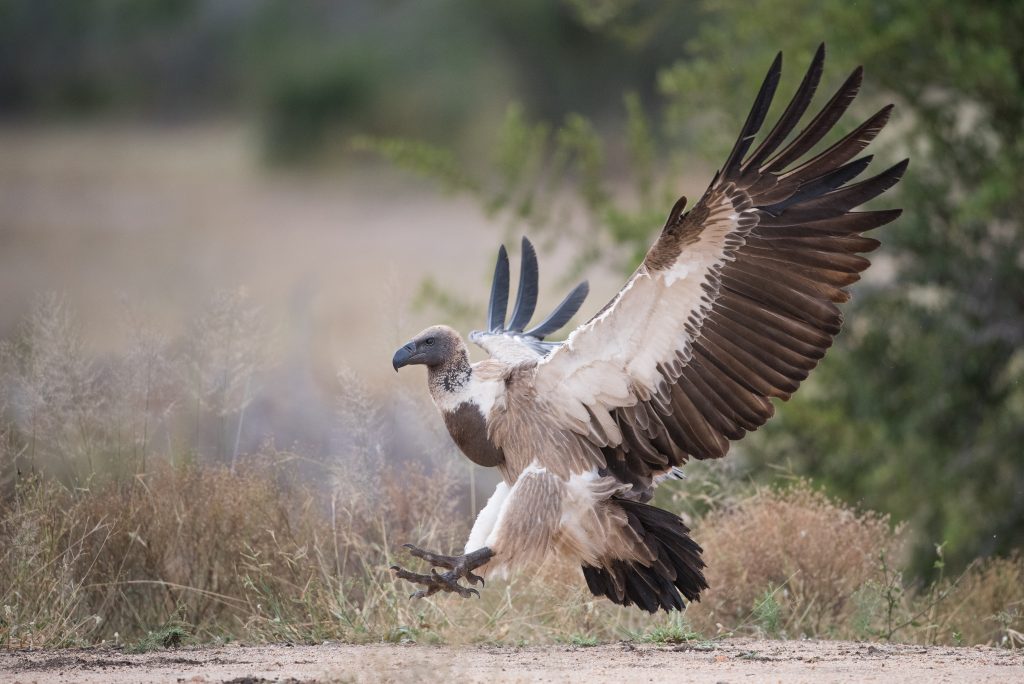
Lovelater also cites arrests and prosecutions of those caught harvesting vulture parts – a positive after cases where the birds were omitted from the poaching of elephant ivory. Communities are now more in-tune with the criminal offence of killing and harvesting vultures, so are reporting any suspicious activities they witness. “Yes, we are making inroads,” she affirms.
At the heart of this progress is common ground. Both conservationists and those who use vultures for ‘belief-based’ use want these birds to thrive. If they don’t, then ecosystems face collapse, and traditional culture cannot be perpetuated. That is why we work on a local level with communities – it’s an advantage to find these connections that help us keep birds and nature thriving.
These different perspectives open our worldview in ways that can be enlightening and rewarding, as well as safeguarding species. Lovelater explains how, despite her study and experience working with vultures, local knowledge taught her a surprising lesson. “For local communities, vultures are valuable because when they lose livestock they have to spend days searching for it. If they are not seeing settling vultures, they still hope the animal is alive. If they see vultures settling, the plan is to investigate what they are looking at – it saves them time if the animal is dead.”
She explains how communities are contributing to vulture conservation by identifying and removing threats in their landscapes, and mapping nesting sites to provide information. Together, we are making a difference, as the collective power of individuals, groups and cultures with different outlooks is too great to ignore.
But generalised, top-down approaches are why Lovelater is concerned about challenges concerning gender and race. She explains her fortunate position of having rich support from her family and not having faced oppression on an individual lesion. However, wider issues have come into play during her career: “Those kinds of challenges in conservation genuinely exist, and they are mostly systematic. They generally work against women and work against people of different ethnic backgrounds.”
In an African context, Lovelater explains how behaviour-change strategies are rarely produced for the continent’s peoples and their ways of life. They may be developed as ‘universal’ and applied across the world with little consideration for different beliefs, social structures or locations.
If you try and produce a one-size-fits-all solution, the reality is that it fits no one perfectly. “Conservation is not just the plants and animals in the space; it has a social and cultural aspect to it” is Lovelater’s wise take. “As conservationists, we need to be open to these dimensions.” That is why she suggests bringing together our collective knowledge, whether that’s on the subject of ‘belief-based’ use or wider conservation efforts: “At the end of the day, our work contributes to the conservation of other species and to the conservation of landscapes.”
“I’m standing in for the voiceless, for organisms that have every right to be here but unfortunately cannot speak for themselves,” she explains. More people, particularly Africans, becoming interested in conservation brings her hope for the future. And each of these views and voices adds perspective and volume to our global chorus for nature.
Lovelater Sebele was interviewed by John Fuller.
“I’m standing in for the voiceless, for organisms that have every right to be here but unfortunately cannot speak for themselves.”
LOVELATER SEBELE
At BirdLife, we are incredibly proud that these local voices and actions are at the forefront of our work. Across our entire mixed flock spread all around the world, we share knowledge, connections and passion to conserve birds and all life, everywhere.