World Water Day: Celebrating Iconic Himalayan Birds
This World Water Day meet three iconic Himalayan birds that thrive on cool glacial waters.
Over 60 million years ago, the Indian subcontinent collided with the Eurasian continent, creating the tallest peaks in the World- the Himalayas. Over time, layers of snow and ice became trapped amidst the cold temperatures found at nearly 8,000 meters above sea level. Today we know these as glaciers.
For the countries surrounding the Himalayas, the water dripping from these glaciers has been a tremendous life force. Not only does it sustain agriculture and energy production that help communities grow, but it has also provided important habitats for wildlife. This World Water Day we celebrate three iconic species of the Himalayas that depend on this glacial water in order to thrive.
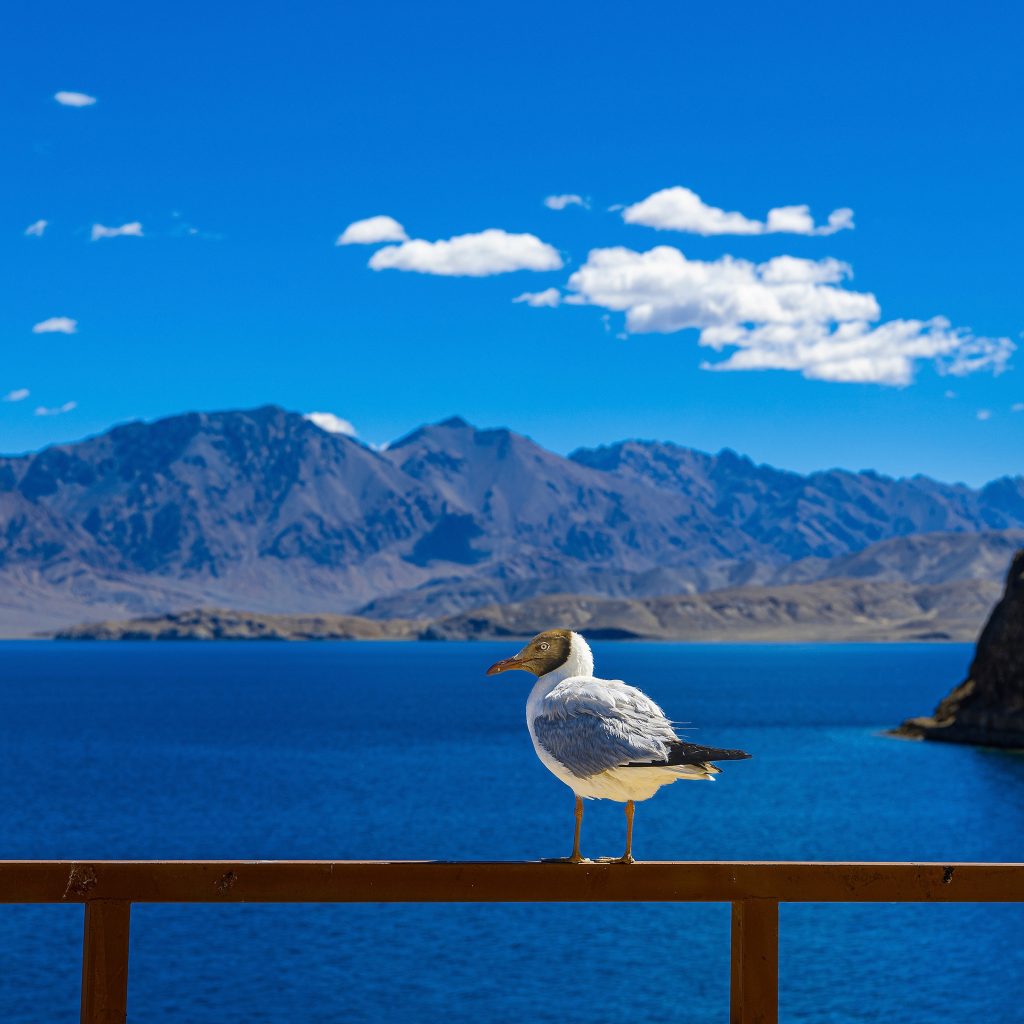
Brown-headed Gull
While gulls are often thought of as sea-side birds, Brown-headed Gulls spend much of their time lakes on the Tibetan Plateau. Across the Himalayas and Tibet, the slow melt of glaciers feeds high-altitude lakes and rivers. Filled with an abundance of fish to eat, these water bodies can sustain congregations of 100 birds or more!
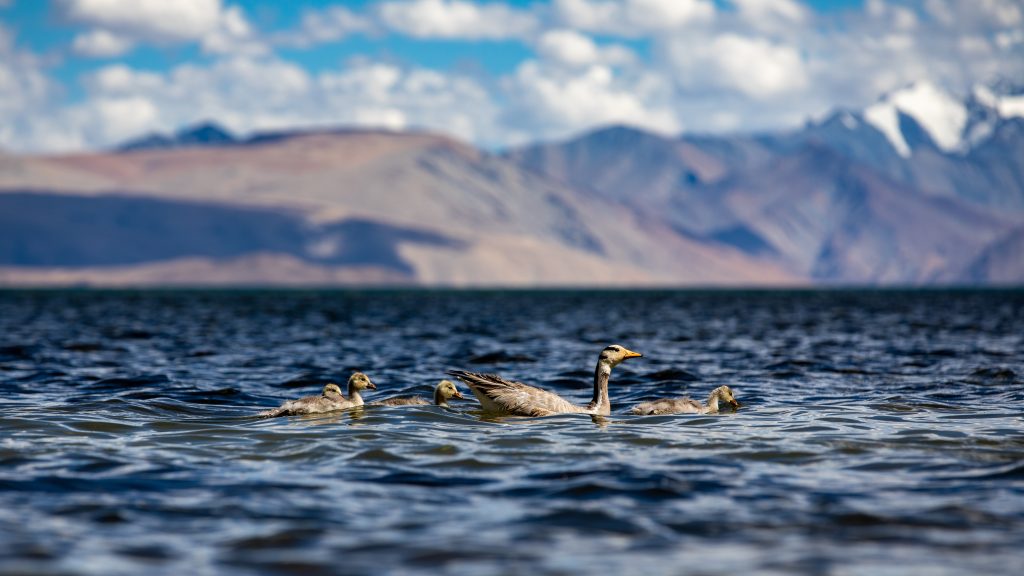
Bar-headed Goose
No other bird experiences the Himalayas quite like the Bar-headed Goose. Unlike most migratory birds of the Central Asian Flyway who weave between the tall peaks, Bar-headed Geese have the extraordinary ability to travel directly over them. Their ability to reach nearly 7,000 meters high with such little oxygen availability is still a mystery to science. This feat allows the birds to take advantage of high-altitude lakes and marshes along their migratory journey. The birds will use them to rest and fuel up on grasses and roots before continuing to their next destination.
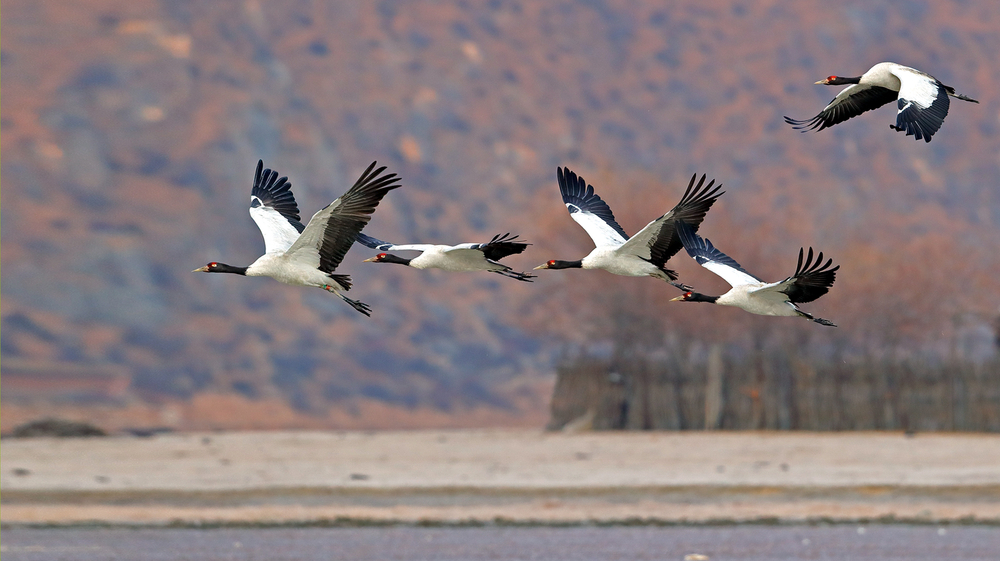
Black-necked Crane
With a two-meter wingspan, the flight of these massive birds would stop anyone in their tracks. Despite these large wings, Black-necked Cranes have a relatively short migration. Mostly they fly between lower and higher elevation wetlands around the Himalayas, where they feast on roots and small animals. As the melt of mountain glaciers quickens from climate change, the birds are enjoying a short-term advantage. They now have more wetland habitat. Sadly, with the current rate of climate change, the glaciers may melt until they disappear. In the future, this would monumentally shrink the bird’s high-elevation wetland habitats.
Throughout the Himalayas, climate change poses an urgent threat to glaciers. The disappearance of the life-giving waters that they provide, would have a profound impact on both birds and people. By protecting habitats and biodiversity and making renewable energy nature-safe, BirdLife is working to prevent additional carbon from entering the atmosphere. Our vision is for a future where glaciers stand tall, streams continue to flow and communities of birds and people flourish side by side.
Cover photo: Bar-headed Goose and chicks at Tso Moriri, Photo from Arun Sankaragal/Shutterstock