Protecting Africa’s Forests
On International Day of Forests, we highlight the importance of forests and highlight some of our Partners’ conservation efforts across Africa.
By Giliane Okana
Forests play a crucial part in sustaining life. They are home to over 80% of terrestrial biodiversity, including 75% of bird species. These critical ecosystems provide several benefits to humanity including oxygen, water purification and crucial carbon sinks to combat climate change, in addition to supporting the livelihoods of about 1.6 billion people around the world
However, forests are increasingly under threat, with the world losing an estimated 10 million hectares of forest annually due to logging, agriculture expansion, urbanization, and climate change among others. On this International Day of the Forests, we shine a spotlight on some of our Partners forest conservation efforts across Africa.
Restoring and Conserving Busaga landscape in Rwanda
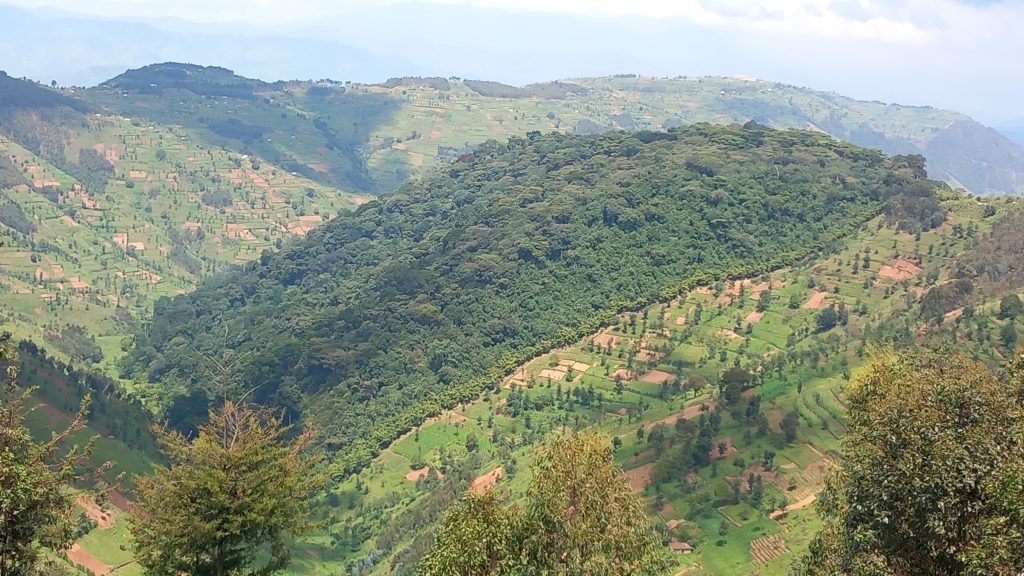
In Rwanda, our partner Nature Rwanda is leading effort to protect and restore Busaga forest a montane rainforest of approximatively 152 ha, located in the Southern Province in Muhanga District.
Busaga Forest is the only known breeding site for the Hooded Vulture (Necrosyrtes monachus) in Rwanda, a species listed as Critically Endangered on the IUCN Red List. Following efforts by Nature Rwanda and Partners, Busaga Forest was designated as an Important Bird and Biodiversity Area (IBA) in 2025. This international recognition places Busaga on the global conservation map and provides local and national decision-makers with a stronger foundation for protective action.
However, legal recognition alone cannot halt degradation when communities living beside the forest still depend on it for firewood, food, and income. To address this, Nature Rwanda, with support from BirdLife International through the Forest Impact Accelerator (FIA), launched a community-led restoration initiative in October 2025, to restore and protect Busaga Forest, while empowering women and youth. This approach is grounded in a simple but powerful premise: conservation is most durable when paired with livelihood development.
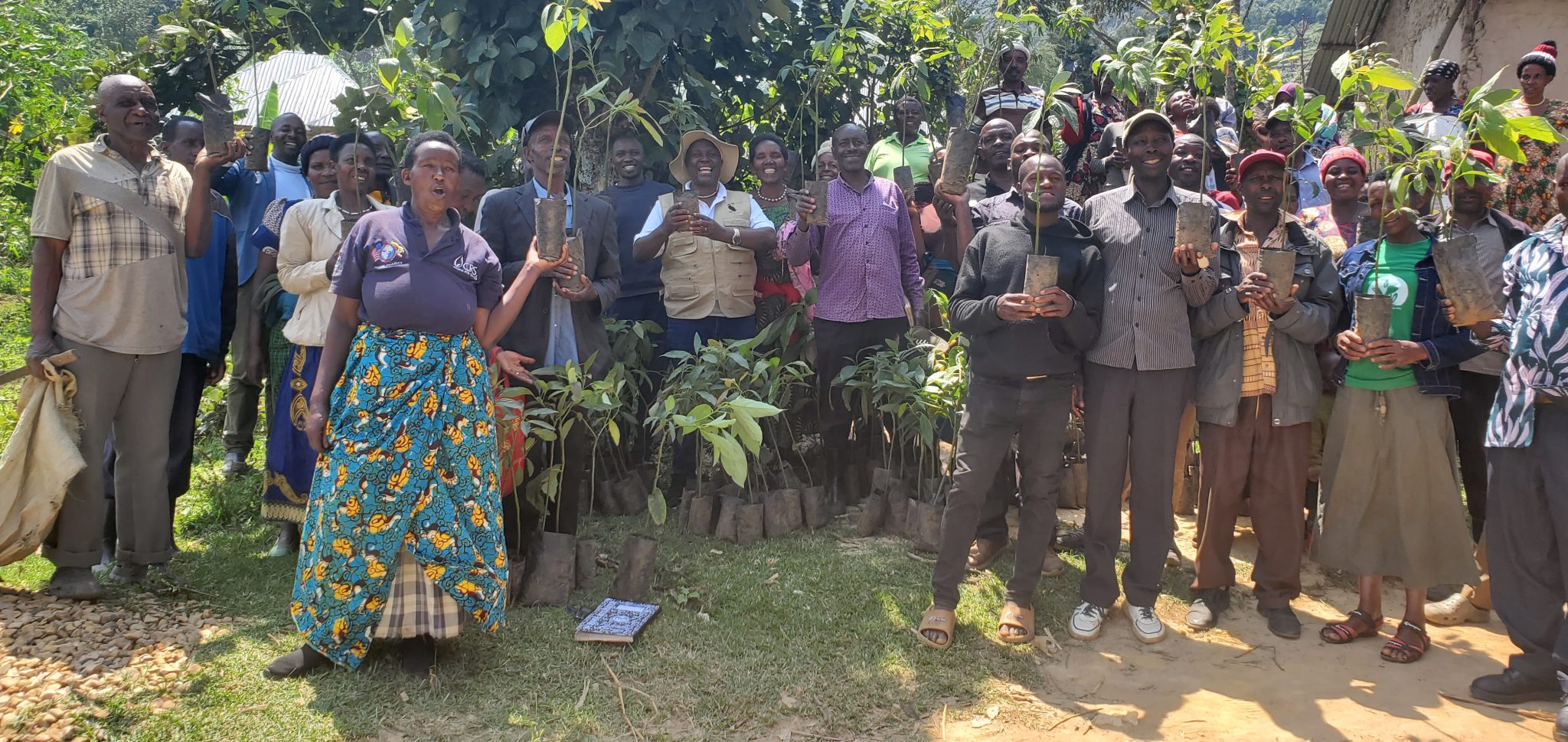
Under the project, 343 farmer households are receiving 10,000 high-quality avocado trees to plant across 30 hectares of degraded farmland surrounding Busaga Forest. The trees simultaneously restore degraded land, ease pressure on forest resources, enrich soils, and generate household income. To date, 7,500 trees have been planted, a clear demonstration that communities are active stewards, not passive observers, of the landscapes they call home.
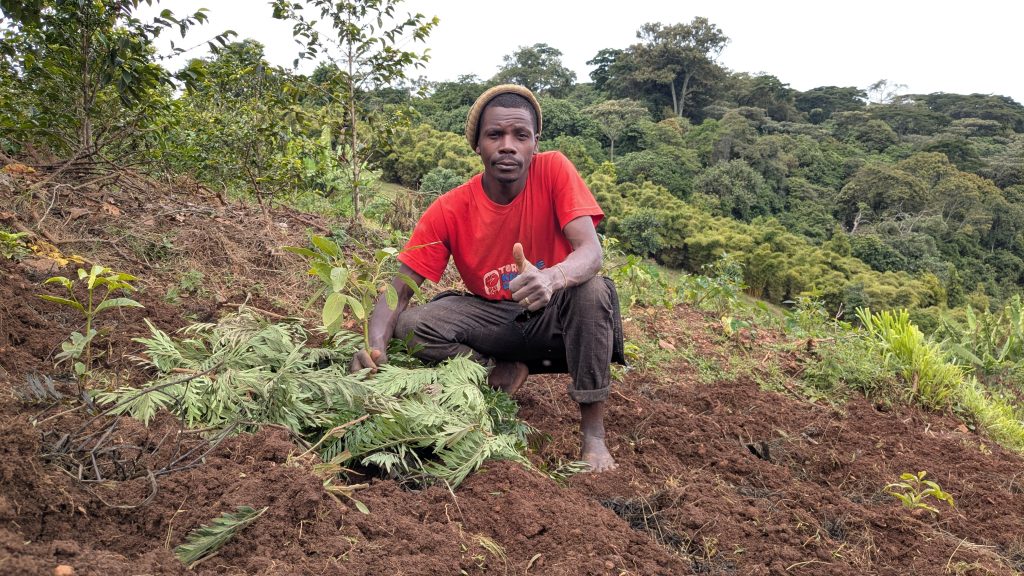
“This project is changing our lives. For so long, the forest and our farms felt like they were in competition. Now we see that by taking care of the land by planting these avocado trees, improving our soils, we are also taking care of the forest itself. We expect better nutrition for our families, better harvests, income, and healthier soils. This is what we have been waiting for.” Says Erneste Twagirimana, a local farmer in Muyebe Village
Women at the Frontline of Forest Conservation in Uganda’s Echuya Landscape
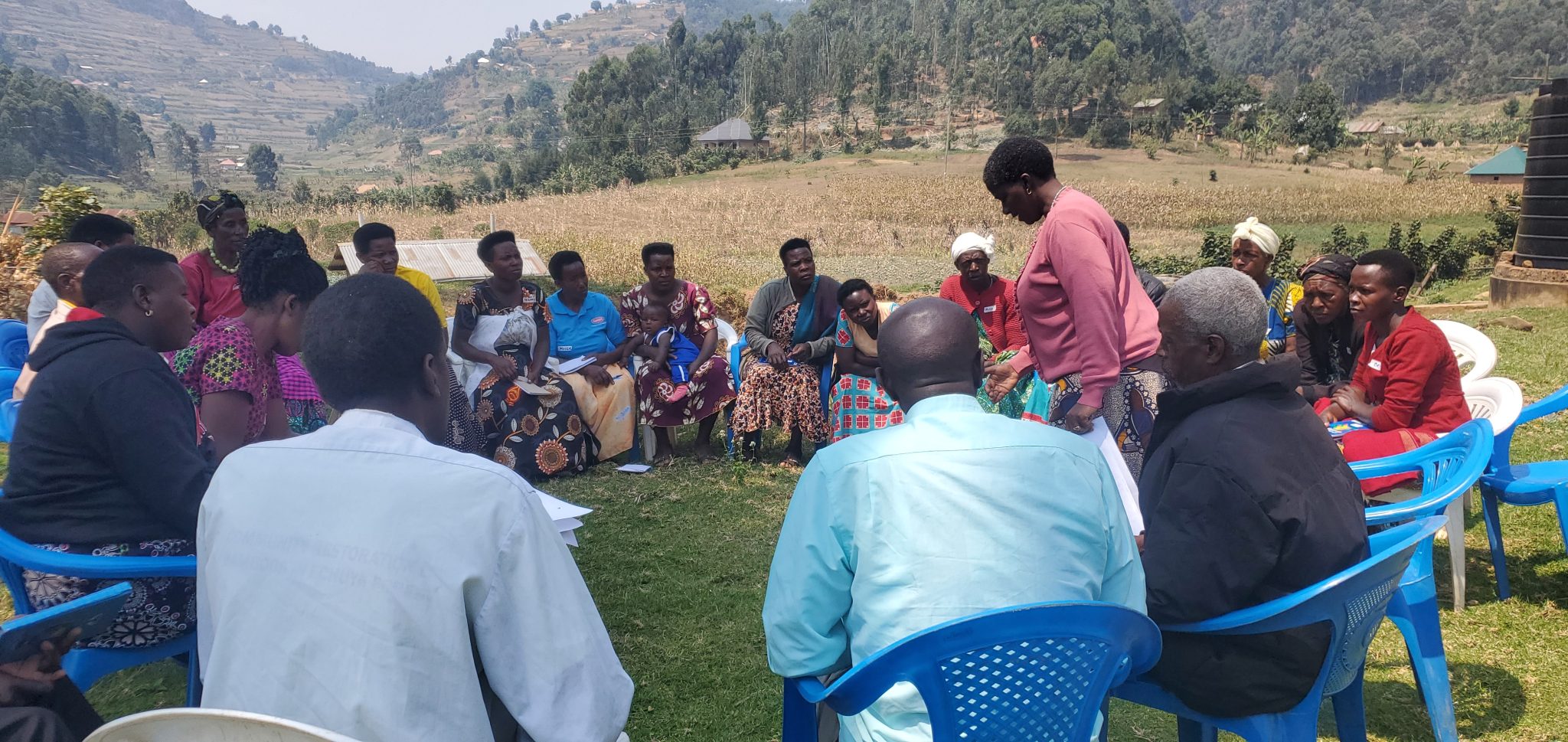
In Uganda, BirdLife Partner NatureUganda is taking action to conserve Echuya Landscape. The Echuya Central Forest Reserve in southwestern Uganda is one of the country’s most important montane forest ecosystems spanning around 3,400 ha. This unique forest harbours rich biodiversity, including the globally threatened Grauer’s Rush Warbler(Bradypterus graueri), while also providing essential ecosystem services such as water regulation, climate stabilization, and resources that support the livelihoods of surrounding communities.
Despite its ecological importance, the Echuya landscape faces increasing pressure from agricultural expansion, fuelwood collection, and growing population demands. For many households living near the forest, natural resources are vital for daily survival, creating a delicate balance between livelihood needs and conservation.
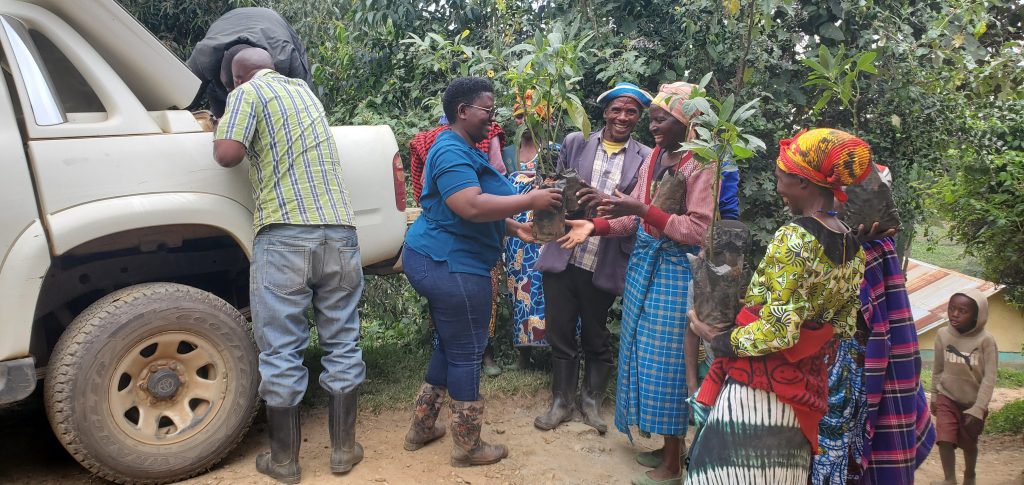
Through the AfricElle Project (Women as Champions for Biodiversity, Agroforestry and Nature Conservation around Protected Areas of Africa), supported by Nature and Biodiversity Conservation Union (NABU), BirdLife partner in Germany and implemented in six African countries(Kenya, Côte d’Ivoire, Tanzania, Burkina Faso, Ghana, and Uganda),communities around Echuya are being supported to adopt sustainable livelihoods while strengthening their role in protecting forest ecosystems. Central to the project is the belief that empowered women can become powerful agents of conservation and sustainable landscape management.
“When women are empowered with knowledge, leadership skills, and sustainable livelihood opportunities, they become custodians of the forests that sustain their communities,” says Loy Natukunda, AfricElle Project Officer at NatureUganda.
Six community women groups have been engaged, with over 150 women trained in leadership, communication skills, gender equality, and awareness of gender-based violence. From these groups, five women champions have been identified and are currently being mentored to mobilize their communities, promote sustainable practices, and raise awareness about the importance of protecting forest resources.
”I used to be afraid of bees, but after the apiary trainings, I now feel confident to take up beekeeping. Visiting Kenyan members inspired me even more—seeing how beeswax can be turned into Vaseline showed me the possibilities of adding value to our products” , says Annet Akandinda, a woman champion from Karengyere Village”.
Conservation of the Pic de Fon Protected Forest in Guinea
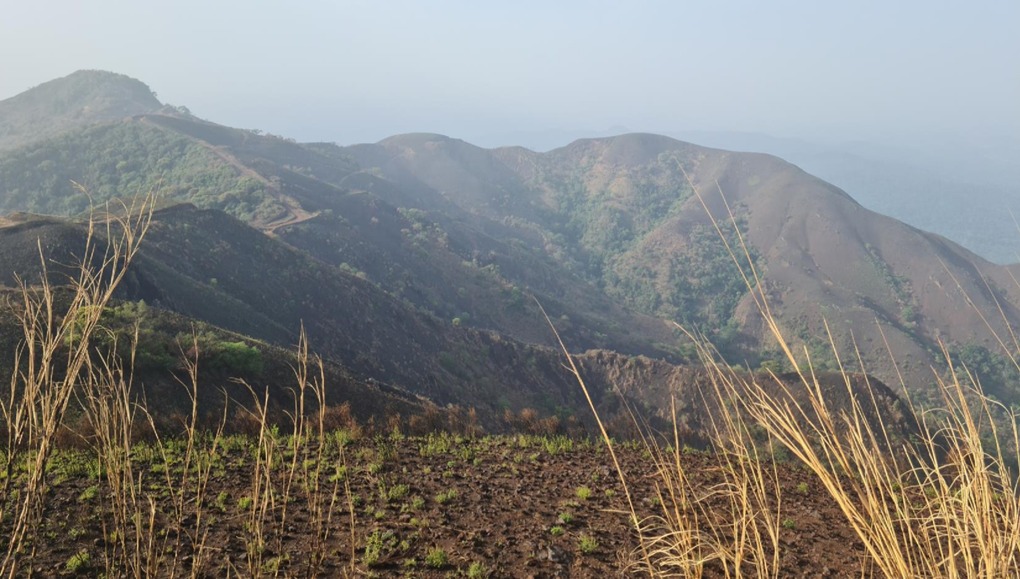
The Pic de Fon Protected Forest, located in the strategic Simandou region, southeastern Guinea covers an area of approximately 26,000 hectares and is one of Guinea’s primary biodiversity hotspots. This ecologically rich ecosystem is home to critical habitats as well as several threatened and endemic species, including the Hooded vulture (Necrosyrtes monachus), the Black-headed Rufous-warbler (Bathmocercus cerviniventris). This biodiversity significance gives this protected area a central role in national conservation policies.
However, the Pic de Fon Protected Forest faces significant threats from agriculture, bushfires, resource exploitation, population growth, climate change, and mining activities. Since 2025, conservation efforts have been strengthened through the 2025–2030 Development and Management Plan (PAG), supported by Rio Tinto and implemented by BirdLife and Guinée Écologie with the N’Zérékoré Forestry Center. A solid framework and a Project Management Unit have been established, improving coordination among key partners. Monitoring and surveillance have also intensified, with the SMART system and patrols helping identify 37 sites of suspicious activity in October 2025, leading to enforcement actions. At the same time, scientific research on priority species has been initiated with international partners.
The involvement of local communities is an essential pillar of this conservation effort. Through the Community Acceleration Plan and consultations conducted in 18 villages, a total of 468 participants, including 135 women, were mobilized. These actions helped identify potential beneficiaries, strengthen local dialogue, and prepare for the implementation of community governance mechanisms.
Forests are not just ecosystems they are lifelines for people, nature, and our shared future. From Rwanda to Guinea, these stories show that lasting conservation happens when communities are empowered, partnerships are strong, and nature is valued as essential, not optional. As threats to forests continue to grow, so must our collective action.
“I have seen it time and again across Africa: When forests thrive, communities thrive. Through community-led restoration, sustainable forest businesses, and ecotourism initiatives, our BirdLife partners are demonstrating that when local people are in the driver’s seat, forests recover, incomes rise, and local economies build real resilience.” This should give us impetus to protect and conserve our forests.” Concudes George Illebo, Africa Forests Programme Coordinator, BirdLife International.
The Forest Impact Accelerator has run for five successful years with generous support from the Hempel Foundation, Waterloo Foundation and the King Charles III Charitable Fund, as well as £6 million of additional funding sourced in collaboration with our Partners. This year, we were awarded an important Darwin Initiative Extra grant funded by the UK Government’s Biodiversity Challenge Funds, a programme that supports global biodiversity conservation, reduces poverty, and addresses climate change. The £4,978,335 award will expand and scale these achievements to secure 1 million hectares of Key Biodiversity Areas while generating economic benefits for 200,000 local people.

Landscape View of Busaga Forest © Nature Rwanda


“This project is changing our lives. For so long, the forest and our farms felt like they were in competition. Now we see that by taking care of the land by planting these avocado trees, improving our soils, we are also taking care of the forest itself.”
Erneste Twagirimana, a local farmer in Muyebe Village




“When women are empowered with knowledge, leadership skills, and sustainable livelihood opportunities, they become strong custodians of the forests that sustain their communities
Loy Natukunda, AfricElle Project Officer, NatureUganda