Building momentum for flyway conservation
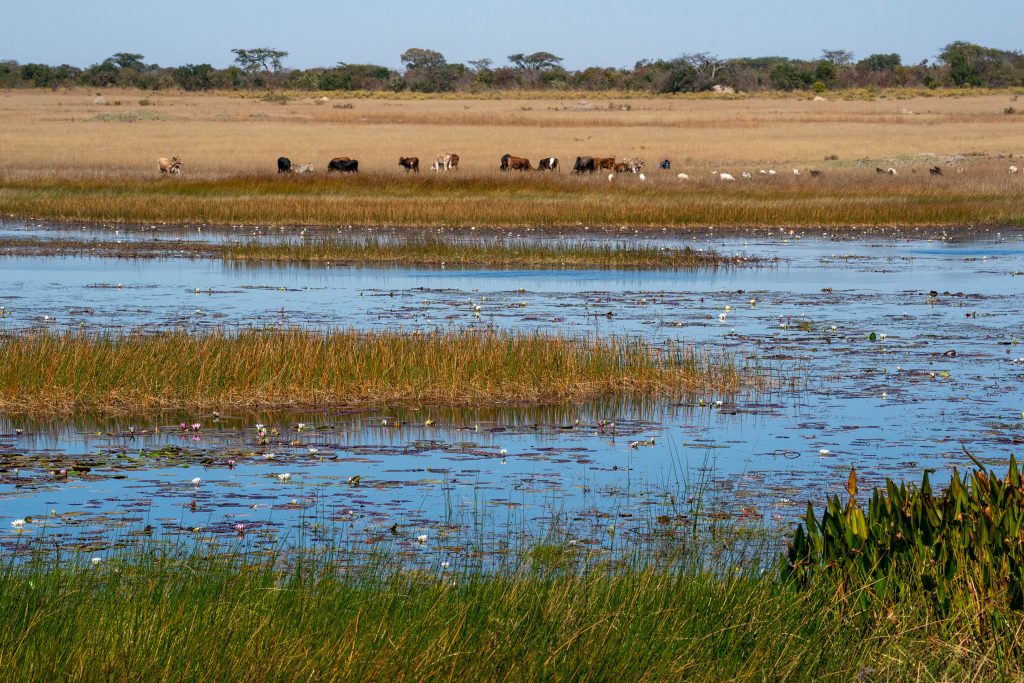
Since our historic announcement with the World Bank five months ago, the momentum behind BirdLife International’s flyway conservation push is building and accelerating.
When we first set out our shared ambition to align development finance with nature-positive outcomes for migratory birds, we knew that delivery would depend on strong coordination, strategic partnerships and robust technical foundations. Our partnership is built entirely on shared expertise and learning, with no financial support currently provided by either organisation. Today, we are proud to share the tangible progress made across all these fronts.
From vision to coordinated action
A core priority has been to establish the structures needed to turn ambition into impact. Over the past five months, we have established dedicated technical and strategic teams within BirdLife International. This coordination ensures alignment across regions and themes, and enables faster decision-making, clearer accountability and stronger collaboration across our Partnership.
Strengthening partnerships for greater impact
In November, following our successful partnerships with the Asian Development Bank for the East Asian Australasian Flyway and CAF, the Development Bank of Latin America and the Caribbean for the Americas flyway, BirdLife and the World Bank formally launched our joint African-Eurasian Flyway Initiative.
This marked a new chapter in collaboration between conservation organisations and multilateral development banks. This was followed in January by BirdLife-led consultations with technical representatives of Multilateral Environmental Agreements, such as the Ramsar Convention, the Convention on Migratory Species, the African-Eurasian Migratory Waterbird Agreement and others, strengthening alignment of our work with global biodiversity and migratory species frameworks.
Together, these engagements ensure that flyway conservation is embedded in the policy and financing architecture that shapes development decisions worldwide.
Mobilising resources at scale
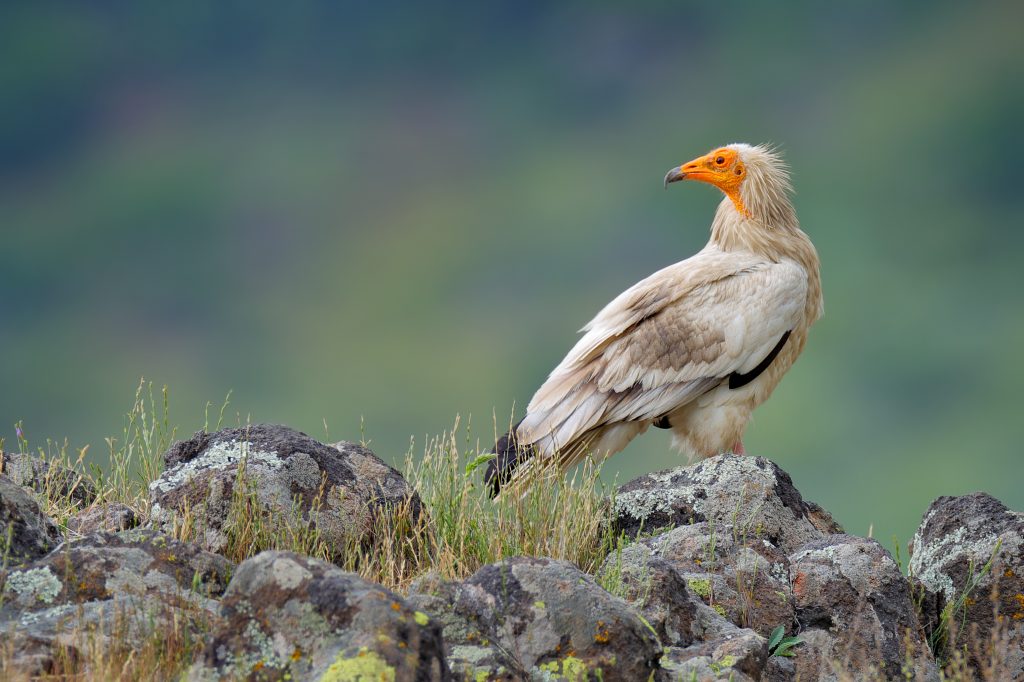
Securing sustainable finance is essential to safeguarding migratory birds across continents. We are delighted to have successfully secured a €5.2 million EU LIFE grant to support conservation of the Egyptian Vulture with Partners across Albania, Bulgaria, Greece, North Macedonia, Türkiye, Ethiopia and Nigeria. This landmark investment demonstrates a growing confidence in and global embrace of BirdLife’s flyway approach.
In parallel, we developed a £7.5 million restoration and scaling proposal centred around seven BirdLife Partners along the flyway and prepared more than 30 priority flyway site investment profiles to catalyse further funding. A dedicated resource mobilisation strategy maps existing donors and scopes prospective supporters, while a complementary proposal for a Civil Society global flyway grant mechanism is being developed with other multilateral development bank partners, which would be a transformative step for long-term financing.
Header image: © Javiera Perez Ribalta
Building a strong identity and global platform
Communications have played a central role in amplifying this work. Over the past months, we have developed a launch video for the African–Eurasian Flyway Initiative (AEFI), created a dedicated brand identity and guidelines for the African-Eurasian Flyway, and established a new webpage showcasing our engagement with multilateral development banks.
On 11 September 2026, BirdLife International will host its second Global Flyways Summit in Nairobi, Kenya. This gathering will bring together governments, financiers, experts and civil society around shared solutions for migratory bird conservation. This milestone event for migratory birds will also see the premiere of a brand-new series of short films on the flyways featuring the crucial work of our BirdLife Partners.

Shaping policy and practice
Looking ahead, we are scoping the development of bird-inclusive investment principles and guidelines for multilateral development banks – practical tools to help mainstream nature-positive approaches into infrastructure and development finance. Engagements are planned at CMS COP15, including with the Energy Taskforce, London Climate Action Week, CBD COP, and we’re exploring options for regional and sector-specific capacity-building workshops to strengthen implementation on the ground.
A strong technical foundation
Underpinning all this work is rigorous science. In recent months, we have assessed and ranked more than 5,680 Important Bird and Biodiversity Areas and Key Biodiversity Areas across the flyway for their significance for migratory birds. Partner consultations have identified 256 priority flyway sites along the eastern side of the African-Eurasian Flyway, with parallel consultations underway along the western side of the flyway.
This evidence base will guide AEFI’s inception phase, helping us identify the priority sites, countries and landscapes where early investment amongst our over80 Partners in the flyway can deliver the greatest impact for migratory birds. Once initial priority countries are confirmed, we will reach out to governments, local civil society organisations and research organisations to ensure strong alignment and mutually beneficial approaches. With pilot countries established, we will then work to scale the approach across the flyway.
At the same time, consultations with the World Bank are exploring how BirdLife can integrate our knowledge and expertise as the world’s global authority on birds into the Bank’s project pipeline, providing technical advice to mainstream nature-positive solutions into development investments.
The direction has become clear rapidly: by combining science, partnership and finance, BirdLife International and our allies are reshaping how development works for migratory birds. The task ahead remains immense, but the foundations are firmly in place – and the flyway future we envision is closer than ever.