Voices of the Flyways: Tareq Qaneer
In this series, we meet conservationists to learn more about their vital work right along the world's migratory flyways.

Migratory birds connect landscapes, countries and even continents through their incredible long-distance journeys. As they travel to and from their breeding grounds, birds use routes known as ‘flyways’.
We have been working with our Partner in the UK, the RSPB, with the support of the Ecological Restoration Fund (ERF), on an ambitious project to protect migratory birds along one of these globe-spanning routes – the African-Eurasian Flyway, which stretches from the Arctic all the way to the southern tip of Africa. Find out more about the RSPB’s flyway conservation work here.
So what does it take to protect migratory birds and their habitats? Find out below!
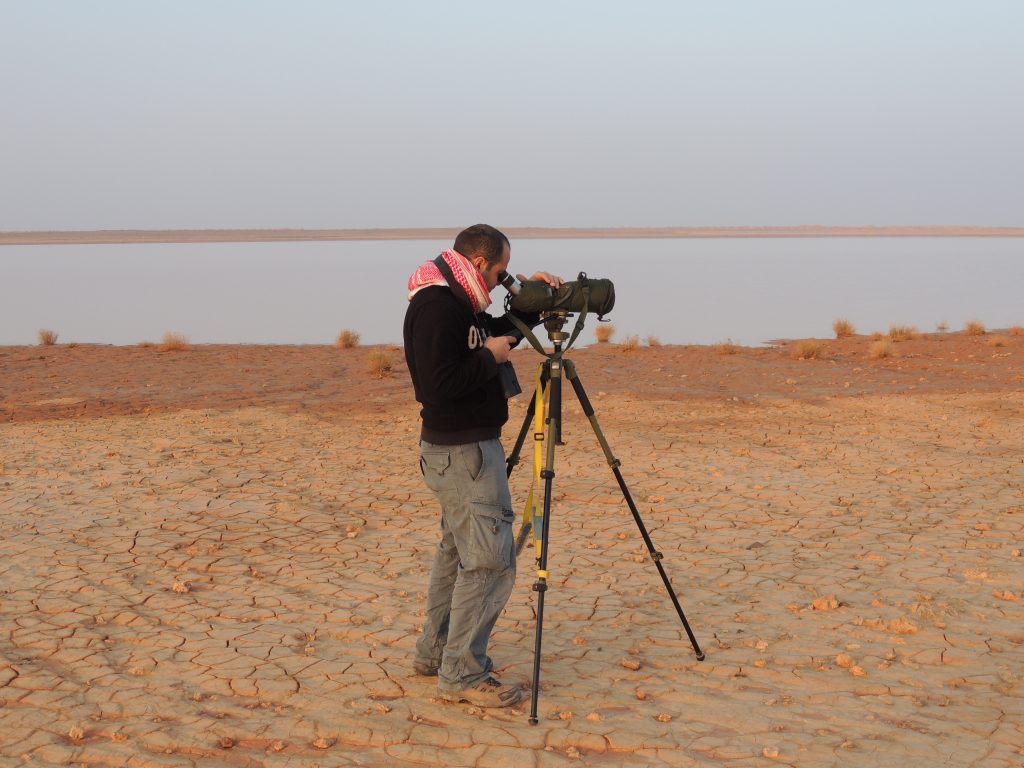
Monitoring migratory birds in the Jordan Rift Valley
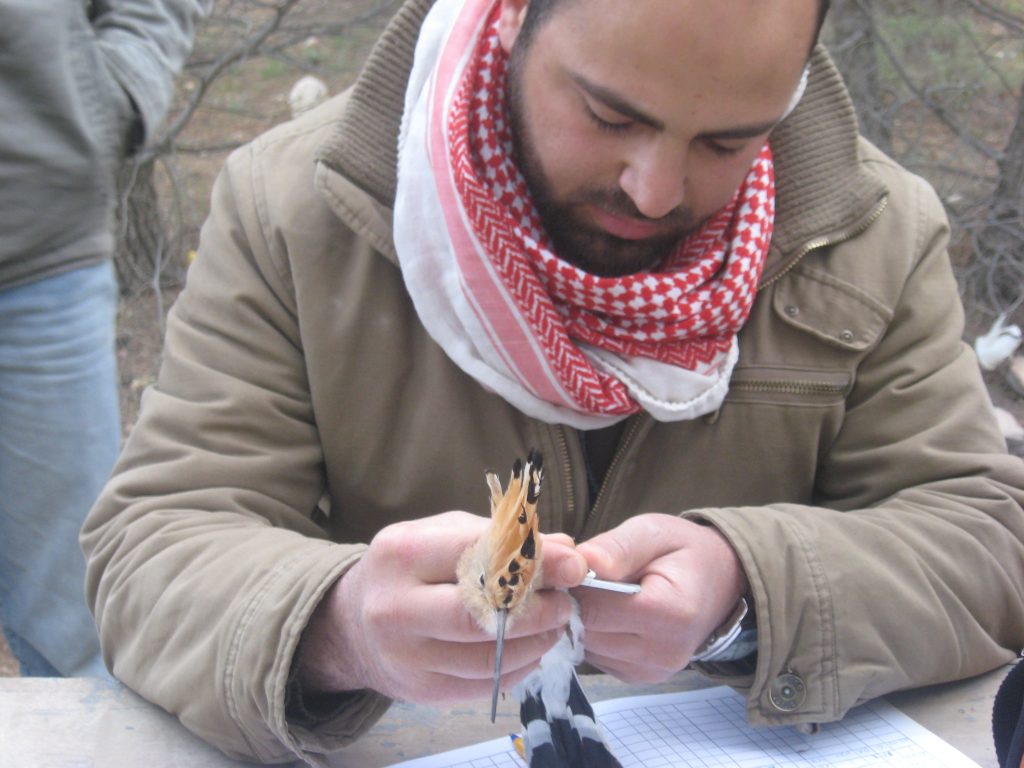
Tareq Qaneer is the Head of Birds’ Projects Management Unit at The Royal Society for The Conservation of Nature (RSCN), the BirdLife Partner in Jordan. Tareq works in the Jordan Rift Valley, which is one of the most important migration corridors and a critical stopover site for birds on the African-Eurasian Flyway.
Tell us about where you work. What is the habitat like, and what makes it important for migratory birds?
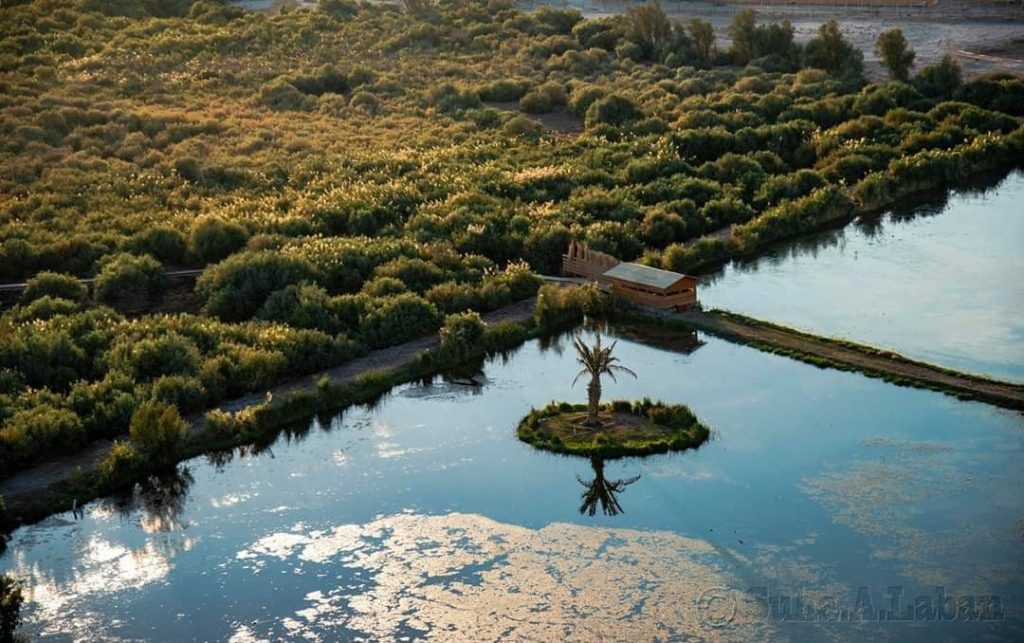
Tareq Qaneer: “My work focuses on different attractive habitats, but I like wetland ecosystems, especially Azraq Wetland Reserve, which is a key Important Bird and Biodiversity Area (IBA) along the African–Eurasian Flyway.
Azraq is a critical stopover site where migratory birds rest and refuel during their long journeys. Some species stay for the winter, while others breed within the wetland. Around 350 bird species have been recorded in the area. What makes Azraq truly unique is that it is the only oasis in the Arabian Desert with a self-replenishing system, which has allowed it to persist despite extremely harsh surrounding conditions.”
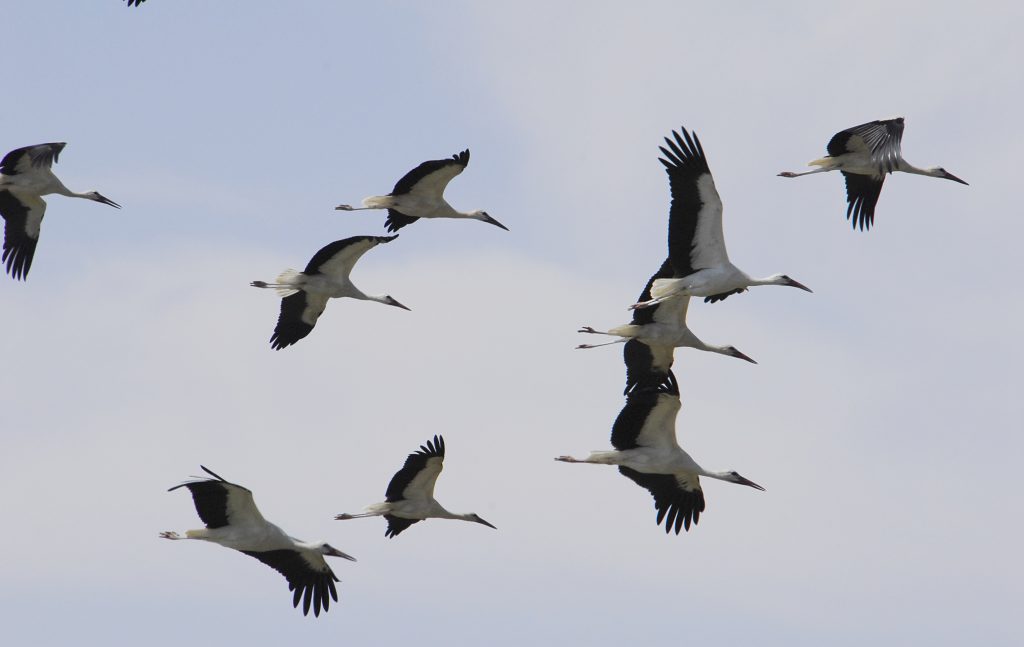
Header image: White Storks flying over the Rift Valley. © RSCN
“Protecting flyways means countries must work together; nature doesn’t recognise political boundaries.”
Tareq Qaneer, Head of Birds’ Projects Management Unit at RSCN
What have you and your organisation been doing for migratory birds under the ERF project?
TQ: “RSCN identified 11 Priority sites in Jordan and then went on to develop site profiles for the Yarmouk-Al Shuleh Area and the Highlands of Sakib and Dibeen Key Biodiversity Areas. Having accurate and up-to-date information in standardised site profiles is a powerful tool for prospective donors, allowing us to respond rapidly to funding opportunities and attract new finance for conservation action.”
What is the biggest challenge you face in your work?
TQ: “Jordan is one of the most water-scarce countries in the world, and water management is one of the biggest challenges affecting wetland conservation.
Azraq Wetland, in particular, has suffered severe environmental degradation due to the unsustainable taking of groundwater from the Azraq Basin.
Excessive pumping to supply large urban areas, along with illegal drilling of artesian wells for agriculture, caused a dramatic decline in water levels, leading to habitat loss and ecosystem collapse. Addressing water governance and balancing human needs with nature remains a major challenge.”
What’s the funniest or strangest thing that’s ever happened to you in the field?
TQ: “During a field survey at Azraq, we once spent a long time carefully tracking what we thought was a very rare and unusual bird call — only to realise it was coming from a goat with a bell, perfectly hidden in the reeds. It was a good reminder that fieldwork always keeps you humble, and that nature can surprise you in unexpected ways.”
What is one thing you wish everybody knew about the species and habitats you’re protecting?
TQ: “I wish people understood that migratory birds don’t belong to one country. A bird you see in Jordan today may have flown from Siberia or Africa and will continue its journey across many borders. If one key site along the flyway is lost, the impact can be felt across continents. Protecting flyways means countries must work together; nature doesn’t recognise political boundaries.”
You must love working on flyways conservation. What’s your favourite thing about doing this job?
TQ: “My favourite part is knowing that the work we do locally contributes to something much bigger. Protecting a migratory bird and their habitats in Jordan helps birds survive journeys that span thousands of kilometres. Seeing migratory birds return year after year reminds me that conservation efforts really do make a difference.”
Electrocution is a big issue for migratory birds and one that RSCN has been working on for the past few years. Could you tell us more about this work?
TQ: “Jordan lies along one of the world’s major bird migration corridors. During the spring and autumn migration seasons, millions of birds traveling between Eurasia and Africa pass through the country. However, many power infrastructure projects are located in areas that are particularly important for bird migration.
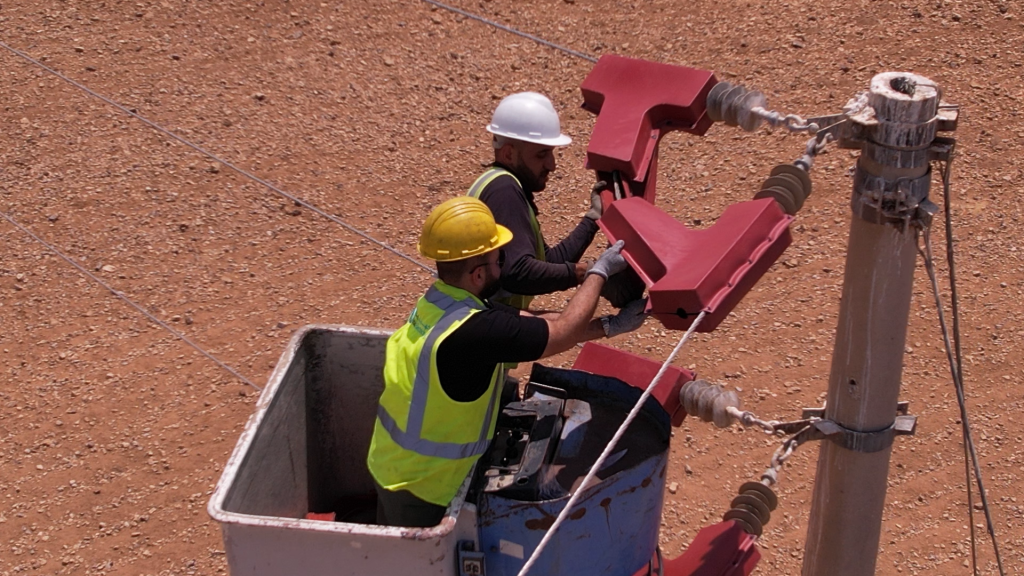
RSCN has led the implementation of pilot environmental protection measures at both the national and regional levels to reduce the risk of bird electrocution along power lines. As an urgent conservation action, RSCN insulated more than 750 of the most dangerous electricity poles across Jordan to protect migratory birds. This initiative helps reconcile nature conservation with economic development that supports local communities, while also safeguarding Jordan’s strategic location along one of the world’s key migratory bird routes, particularly for several endangered species.”
If you had to choose one species to represent your flyway, what would it be and why?
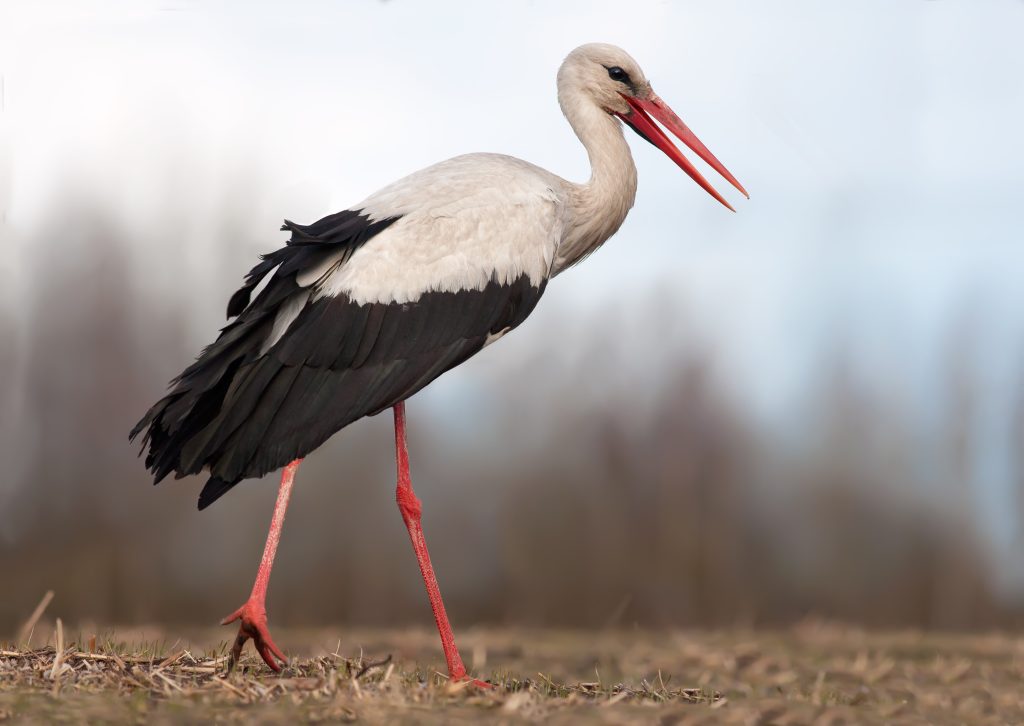
TQ: “I would choose the White Stork (اللقلق الأبيض). It is one of the most iconic species of the Jordan Rift Valley and is well known to local communities. Large flocks pass through Jordan every year, making it a powerful symbol of migration, connectivity, and the shared responsibility we have to protect birds across their entire journey.”
What makes you feel optimistic about your work?
TQ: “What gives me hope is the growing collaboration between conservation organisations, governments, and local communities. Despite all the challenges, we are seeing increased awareness of the importance of wetlands and flyways. The resilience of nature (when given a chance) and the passion of people working along the flyway make me optimistic about the future.”
“Large flocks of White Storks pass through Jordan every year, making it a powerful symbol of migration, connectivity, and the shared responsibility we have to protect birds across their entire journey”
Tareq Qaneer
Acknowledgements
The Ecological Restoration Fund supports work that protects biodiverse hotspots, rejuvenates degraded landscapes and promotes local environmental activism. It is committed to re-establishing nature’s essential interconnections while fostering cultural, social and economic opportunities for the communities inhabiting those landscapes.