Voices of the Flyways: Hólmfríður Arnardóttir
In this new series, we’ll meet conservationists to learn more about their vital work right along the world's migratory flyways.
Migratory birds connect landscapes, countries and even continents through their incredible long-distance journeys. As they travel to and from their breeding grounds, birds use routes known as ‘flyways’.
We have been working with our Partner in the UK, the RSPB, with the support of the Ecological Restoration Fund (ERF), on an ambitious project to protect migratory birds along one of these globe-spanning routes – the African-Eurasian Flyway, which stretches from the Arctic all the way to the southern tip of Africa. Find out more about the RSPB’s flyway conservation work here.
So what does it take to protect migratory birds and their habitats? Find out below!
Protecting and restoring Iceland’s precious wetlands
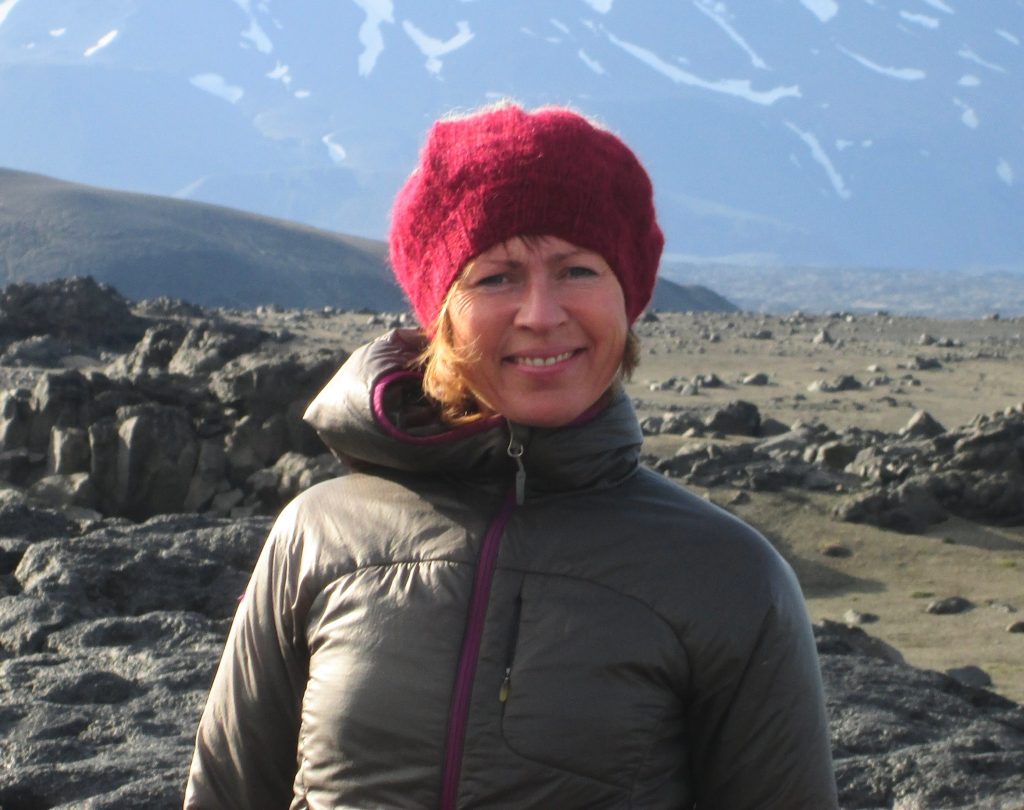
Hólmfríður Arnardóttir is Executive Director at Fuglavernd, the BirdLife Partner in Iceland. Every year, Iceland welcomes the return of thousands of wading birds that have migrated here along the African-Eurasian Flyway, to breed in its lowland wetlands. Join Hólmfríður to find out what is being done to protect this precious habitat and the birds that depend on it.
Tell us about where you work. What is the habitat like, and what makes it important for migratory birds?
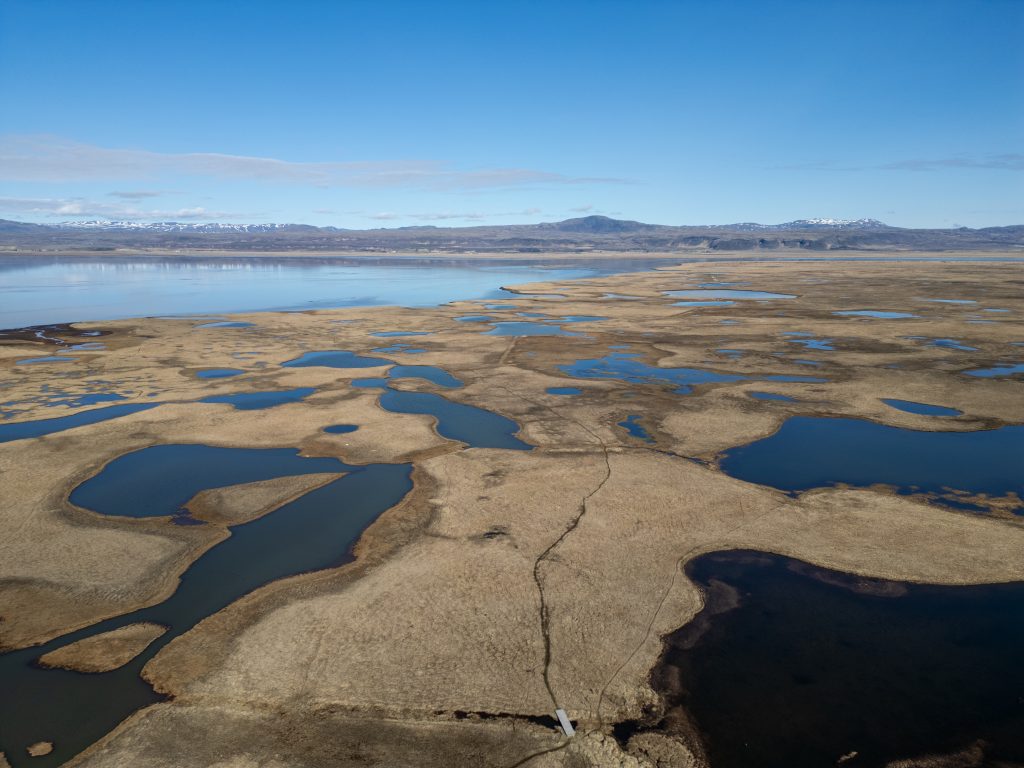
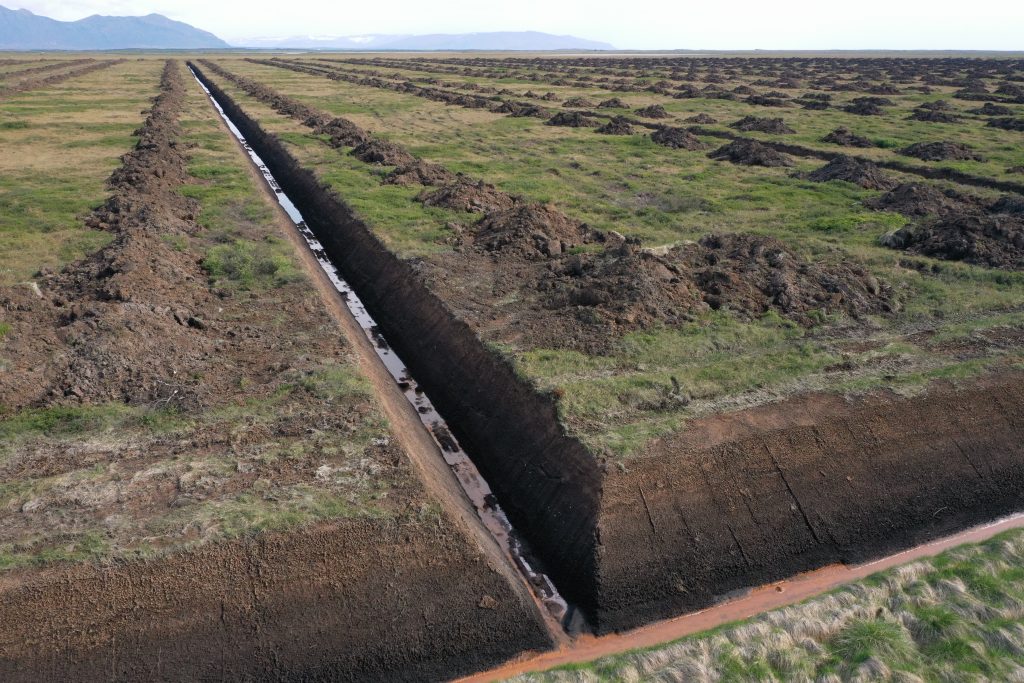
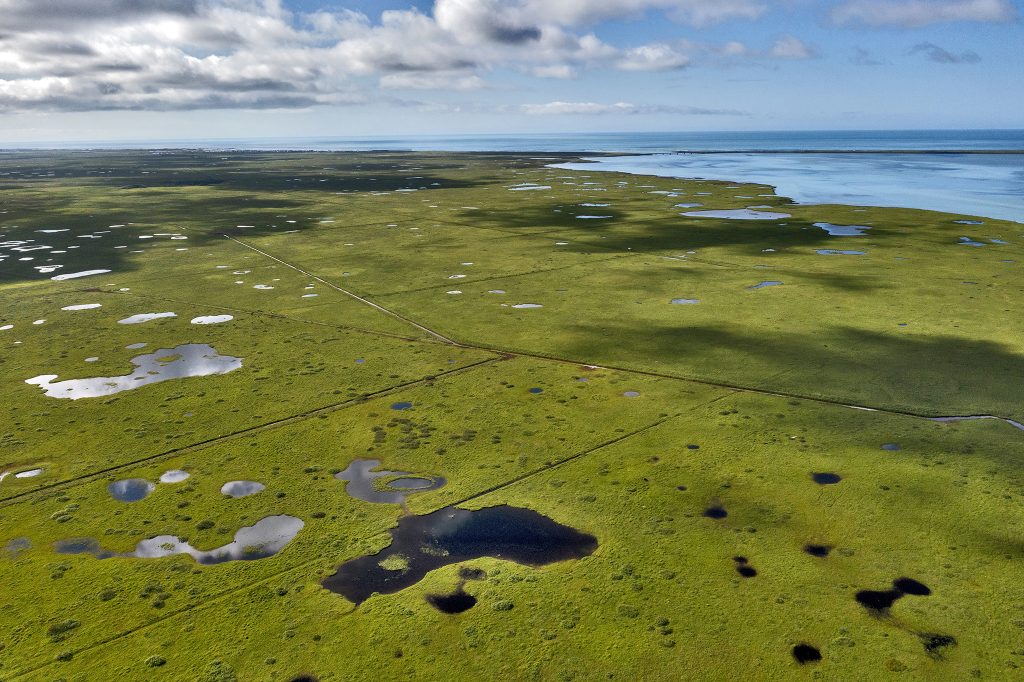
Hólmfríður Arnardóttir: “Because Iceland lies between Greenland and mainland Europe, it is a natural stopover for many migratory birds travelling along the African-Eurasian Flyway. Birds stop here to rest and refuel, and many species also breed in Iceland. Historically, a large proportion of Iceland’s lowlands were wetlands. However, following government-subsidised drainage efforts between 1940 and 1990, around 90% of these wetlands were affected as land was converted for agricultural use.
Today, only about 3% of wetlands in southwest Iceland remain undisturbed. Other threats include the planting of alien tree species and habitat fragmentation caused by new roads and wind energy developments.
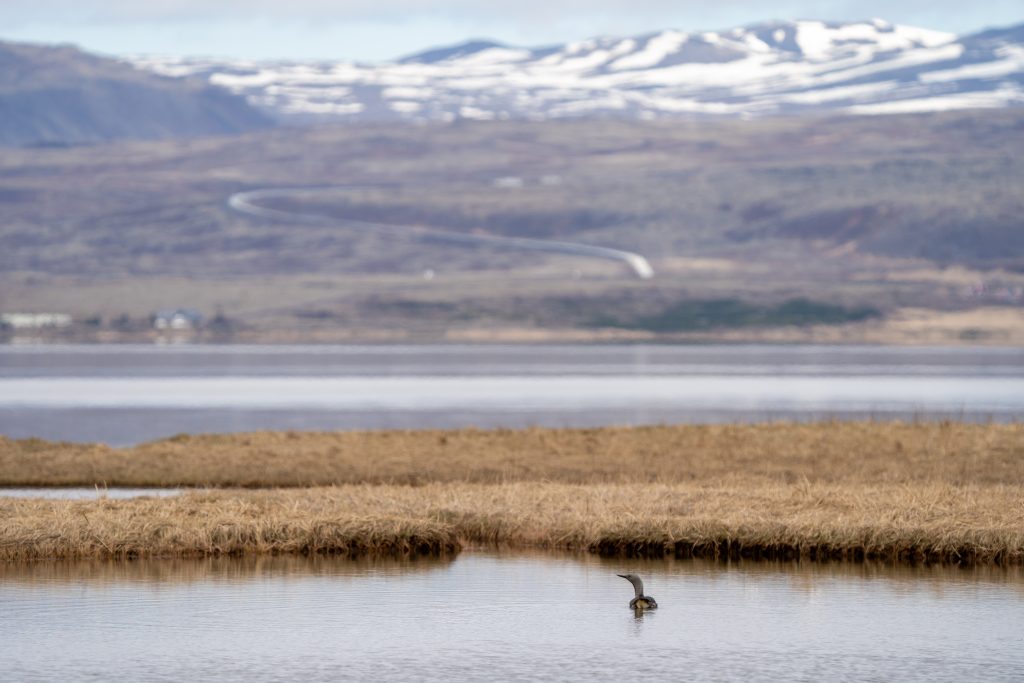
Despite this loss, Iceland’s lowland wetlands, shallow lakes, and river deltas remain internationally-important for migratory birds, particularly waders and wildfowl.
Alongside the availability of suitable habitats, the almost 24-hour daylight and relatively low levels of human disturbance in many areas make Iceland especially valuable for breeding birds.”
Header image: Iceland’s lowland wetlands host internationally-important numbers of breeding wading birds. © RSPB/Nick Williams (rspb-images.com)
What have you and your organisation been doing for migratory birds under the ERF project?
HA: “Under the ERF project, we chose to focus on a large area in southwest Iceland, where wetland drainage has had the greatest impact. Despite this, the area remains an important breeding site for waterfowl and shorebirds. It is largely agricultural, but many of the drained areas are no longer actively used.
Within this landscape we are concentrating particularly on two sites called Flói and Oddi – both listed as Important Birds Areas (or IBAs). Fuglavernd manages a bird reserve in this region, the Flói Reserve, where wetland rewetting has been ongoing since 1997 and continues under this project. Of the total 500 ha reserve, 170 ha are being restored through rewetting measures and the restoration is designed to benefit 455 ha of bird breeding habitat, supporting large populations of key species such as the Dunlin ((Lóuþræll) (approximately 1,000 breeding pairs), Black-tailed Godwit (Jaðrakan) (up to 500 breeding pairs), and Common Redshank (Stelkur).
We also have access to government-owned land at Oddi through the Icelandic Forest and Land Agency, where we are working together to create an educational trail focused on birds and wetland restoration. The direct restoration area covers 82.2 ha, much of which was previously drained for agricultural use and there are 10.8km of drainage ditches. Restoration activities are expected to improve 219.7 ha of peatland habitat.
We are also exploring the possibility of linking these areas to a future UNESCO World Heritage site, potentially connected with wetland sites on England’s east coast that are already seeking UNESCO designation. The idea is to highlight these sites as connected “pearls on a string” along the flyway. That would be a long process but if no one starts it, it will never happen!
Recently, we launched a campaign to raise interest in and awareness of migratory birds and flyways. We are also working to strengthen protection for the areas mentioned and to continue wetland rewetting. Although new regulatory standards have slowed progress more than we would like, the research they require has proven valuable, especially when engaging with people who are sceptical about wetland restoration.”
Not everyone knows how important the flyways are. What is one thing you wish everybody knew about the species and habitats you’re protecting?
HA: “Birds make some of the most extraordinary journeys on Earth. For those that come to Iceland, that journey means flying over the Atlantic Ocean. And unless you’ve been out on the open sea, it’s hard to understand just how brutal it can be — relentless winds, towering storms, and freezing rain that cuts to the bone.
This really highlights how fragile flyways are. These birds rely on specific habitats at exactly the right moments to survive, and when we protect or restore those places, we’re not just helping wildlife, we’re protecting ecosystems that people depend on too.
And then there is the responsibility we need to take on. These birds do not belong to one place or one nation. While they are here, they are in our care. We must welcome them to their breeding grounds, protect the sites they rely on, and make sure that these places – which they have defied such incredible odds to reach – are not destroyed.”
What are the biggest challenges you face?
HA: “One of the biggest challenges is time. Nature doesn’t change overnight, and meaningful restoration takes years, sometimes decades. Another challenge is perception. Many people have misconceptions or suspicions about conservation work, so a lot of effort goes into helping others understand why restoring wetlands and protecting habitats is important.
Working with government agencies and institutions can also be tricky. While bureaucracy in Iceland isn’t overwhelming, there are often internal restrictions or delays that slow down projects. Finally, we sometimes encounter a lack of urgency or motivation. Conservation requires persistence and energy, and moving things forward often depends on consistent effort and advocacy.”
If you had to choose one species to represent your flyway, what would it be and why?
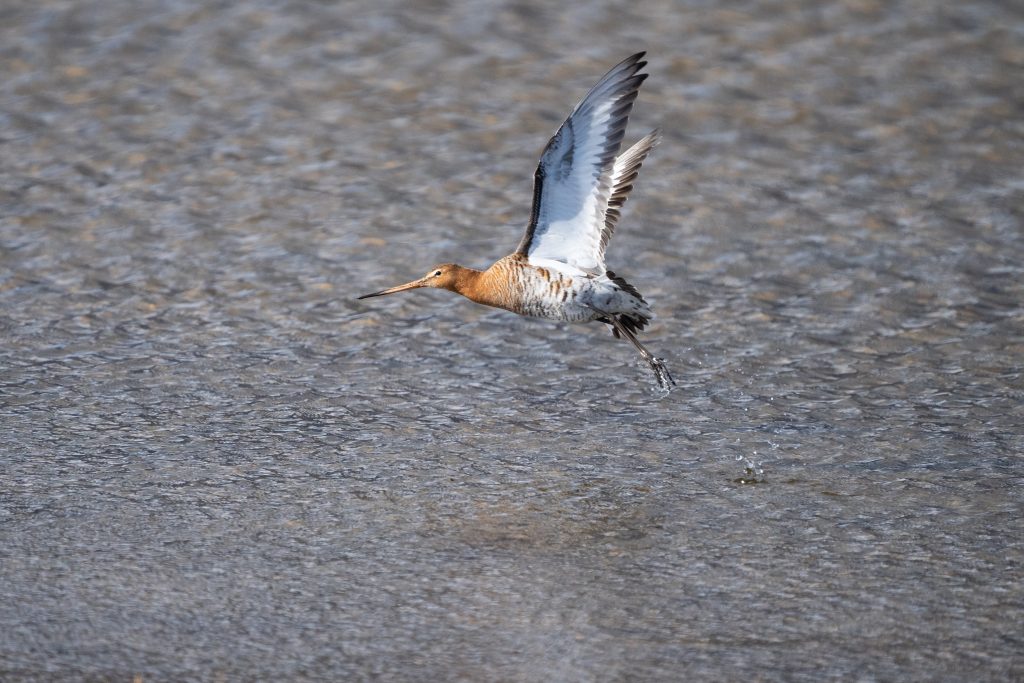
HA: “Personally, I would choose the Black-tailed Godwit (Jaðrakan) to represent the African-Eurasian Flyway. Of course, there are many other important species, and if we look at the Icelandic or European Red Lists, birds such as the Common Snipe(Hrossagaukur) and Dunlin (Lóuþræll) certainly deserve attention as well. However, the Black-tailed Godwit has it all. It truly embodies what characterises a waterbird: a long neck and a long bill perfectly adapted for probing for food in marshes, mudflats, and shallow ponds. On top of that, it is a strikingly beautiful bird, with its rich red neck and distinctive black tail. It is both iconic and emblematic of the flyway it depends on.”
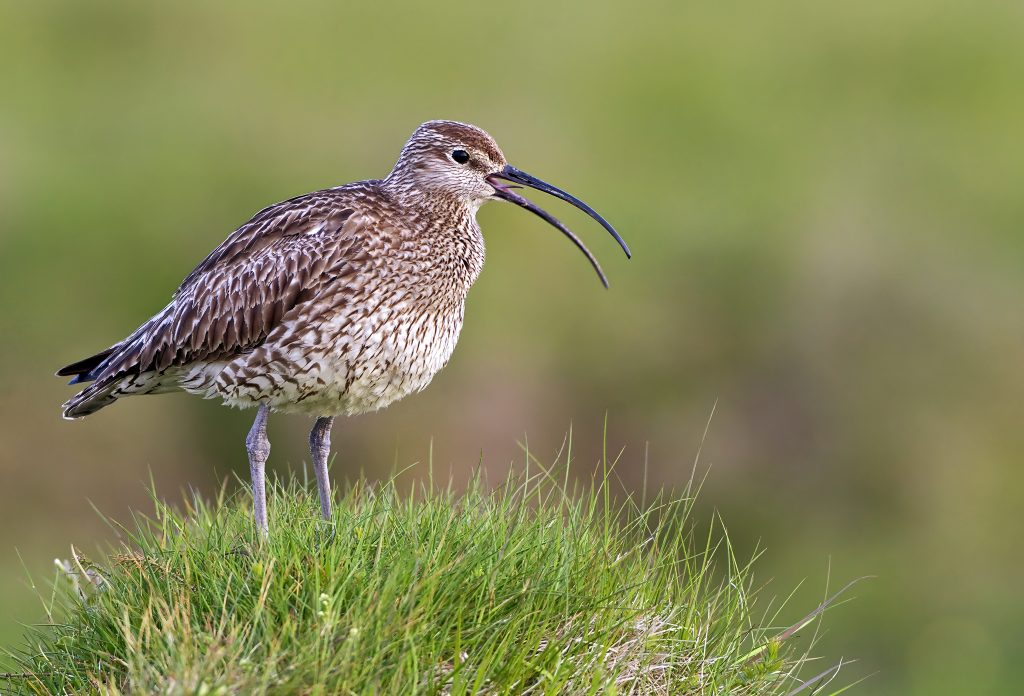
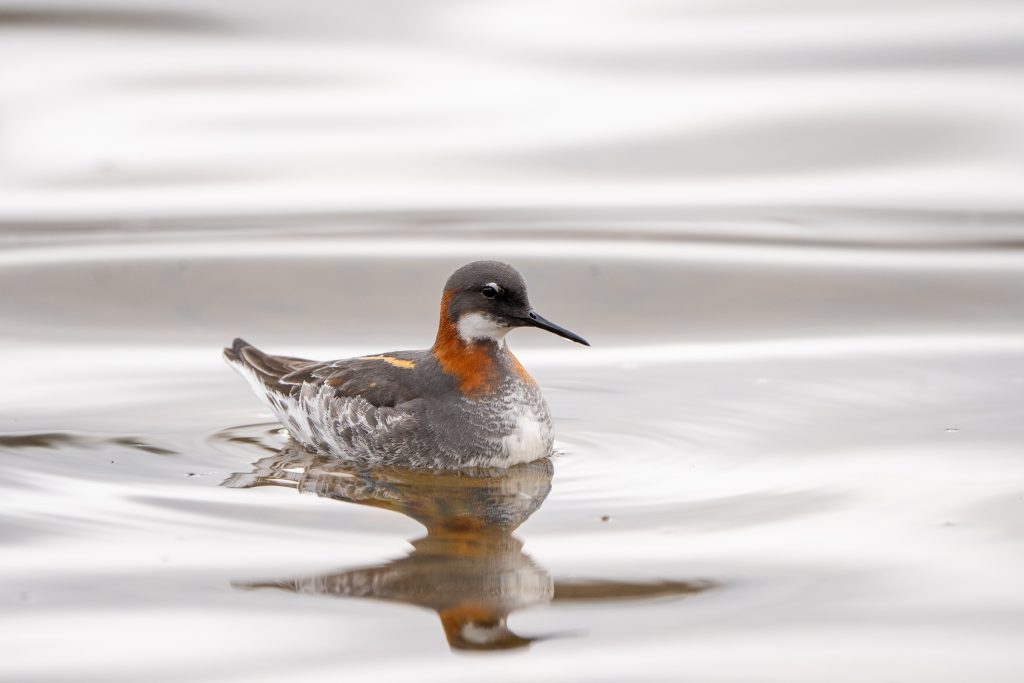
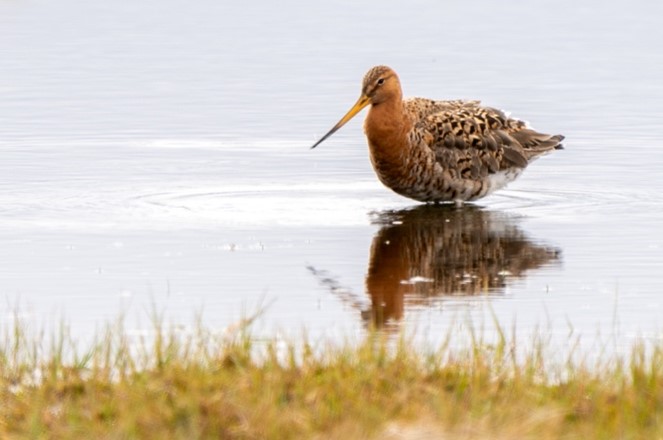
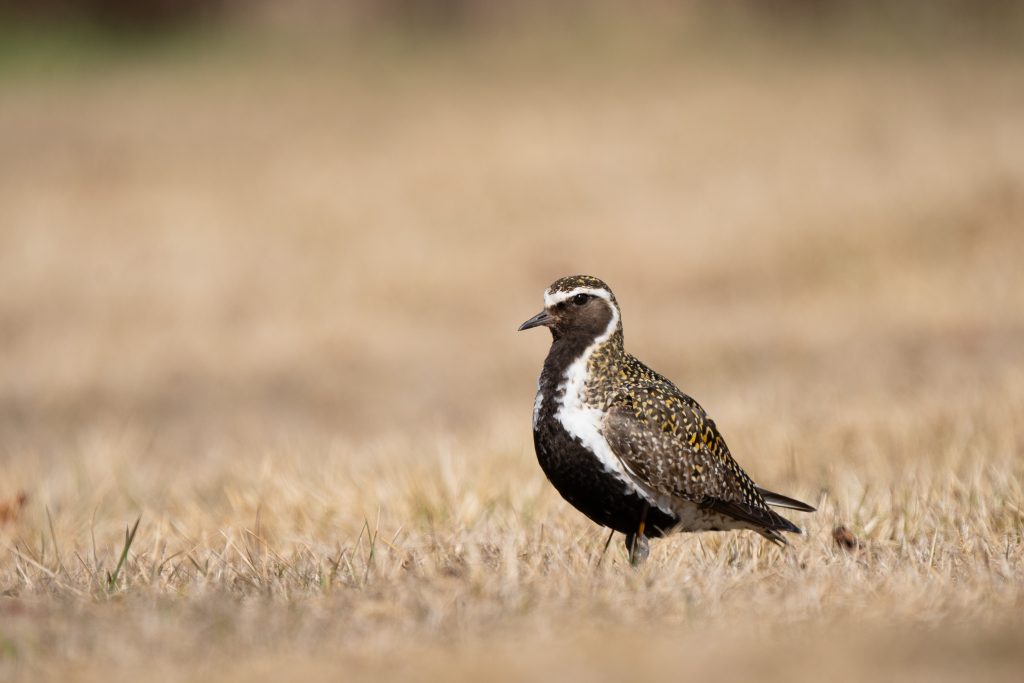
A variety of wading birds breed in and around Iceland’s wetlands, including (clockwise from top left) Whimbrel, Red-necked Phalarope, Golden Plover and Black-tailed Godwit. © Whimbrel – Jóhann Óli Hilmarsson; Others – RSPB/Nick Williams (rspb-images.com)
“What helps me keep going is working with others in the same field. Having a shared purpose is extremely meaningful; you can borrow optimism from others, or lend it to them in return.”
– Hólmfríður Arnardóttir, Executive Director at Fuglavernd
What’s the funniest or strangest thing that’s ever happened to you in the field?
HA: “One memorable experience was ringing European Storm Petrels (Stormsvala) and Leach’s Petrels (Sjósvala) as a volunteer on the island of Bjarnarey, part of the Westman Islands. We caught them in nets in the middle of an August night. They are incredibly small and delicate birds — and they relentlessly spew on you when handled. Not a good smell. Around the nets were small hills full of Manx Shearwater (Skrofa) burrows. Their calls in the darkness were eerie and almost ghostlike, definitely enough to set your imagination running wild.
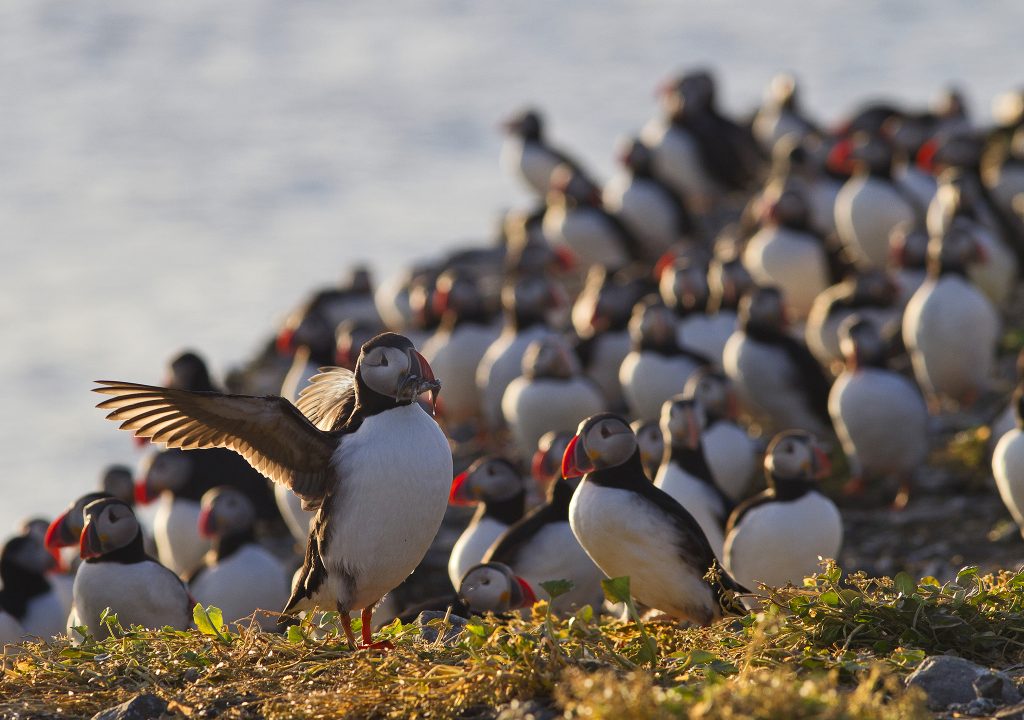
Another trip, also in the Westman Islands, involved catching and ringing Puffins (Lundi). I was so afraid they would bite me that I nearly choked them from holding on too tightly. After that, the researcher wisely decided to give me another role rather than having me hold the birds!”
What makes you feel optimistic about your work?
HA: “Sometimes I do not feel optimistic at all, especially when you get stuck on the big picture, when you feel powerless against what seems like a stronger opponent, and when what you are doing feels more like a battle than a journey, more like a never-ending story.
What helps me keep going is working with others in the same field. Having a shared purpose is extremely meaningful; you can borrow optimism from others, or lend it to them in return.
I also find strength in looking back at small victories. In conservation, progress rarely comes all at once; it happens step by step. Change does not depend on a single action, it requires many. So perhaps resilience is the key word in nature conservation.”
“These birds do not belong to one place or one nation. While they are here, they are in our care. We must welcome them to their breeding grounds, protect the sites they rely on, and make sure that these places – which they have defied such incredible odds to reach – are not destroyed.”
Hólmfríður Arnardóttir
Acknowledgements
The Ecological Restoration Fund supports work that protects biodiverse hotspots, rejuvenates degraded landscapes and promotes local environmental activism. It is committed to re-establishing nature’s essential interconnections while fostering cultural, social and economic opportunities for the communities inhabiting those landscapes.