Celebrating our women in science (Part 2)
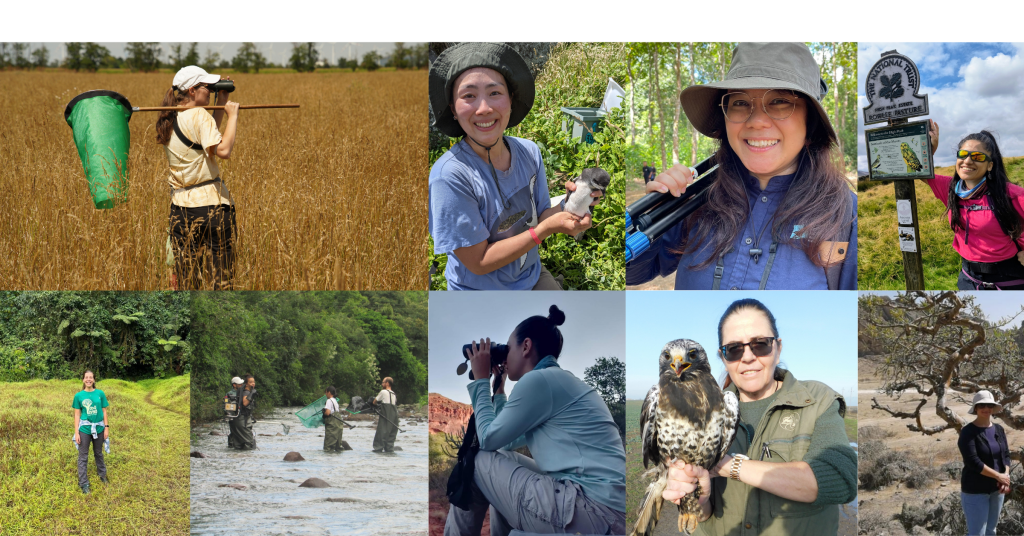
This International Day of Women and Girls in Science, read on to discover the stories of women in science across our Partnership.
Today, and every day, we celebrate the incredible women in science across the BirdLife Partnership: within our 124 Partners in 119 countries, and our Global Team.
We need more diverse voices from women with different backgrounds and experiences in the field of science. Their perspectives, determination and actions are critical in creating sustainable solutions to help tackle biodiversity loss and climate change, so birds and all life thrive.
Women and girls in science should be empowered, treated equally in often male-dominated sectors, and given opportunities to lead vital research.
Nominated by their colleagues for inspiring them, we explore the stories of several women across the regions who have paved the way for future generations. Together, they dive into the challenges they’ve faced and their shared passion for the conservation of nature.
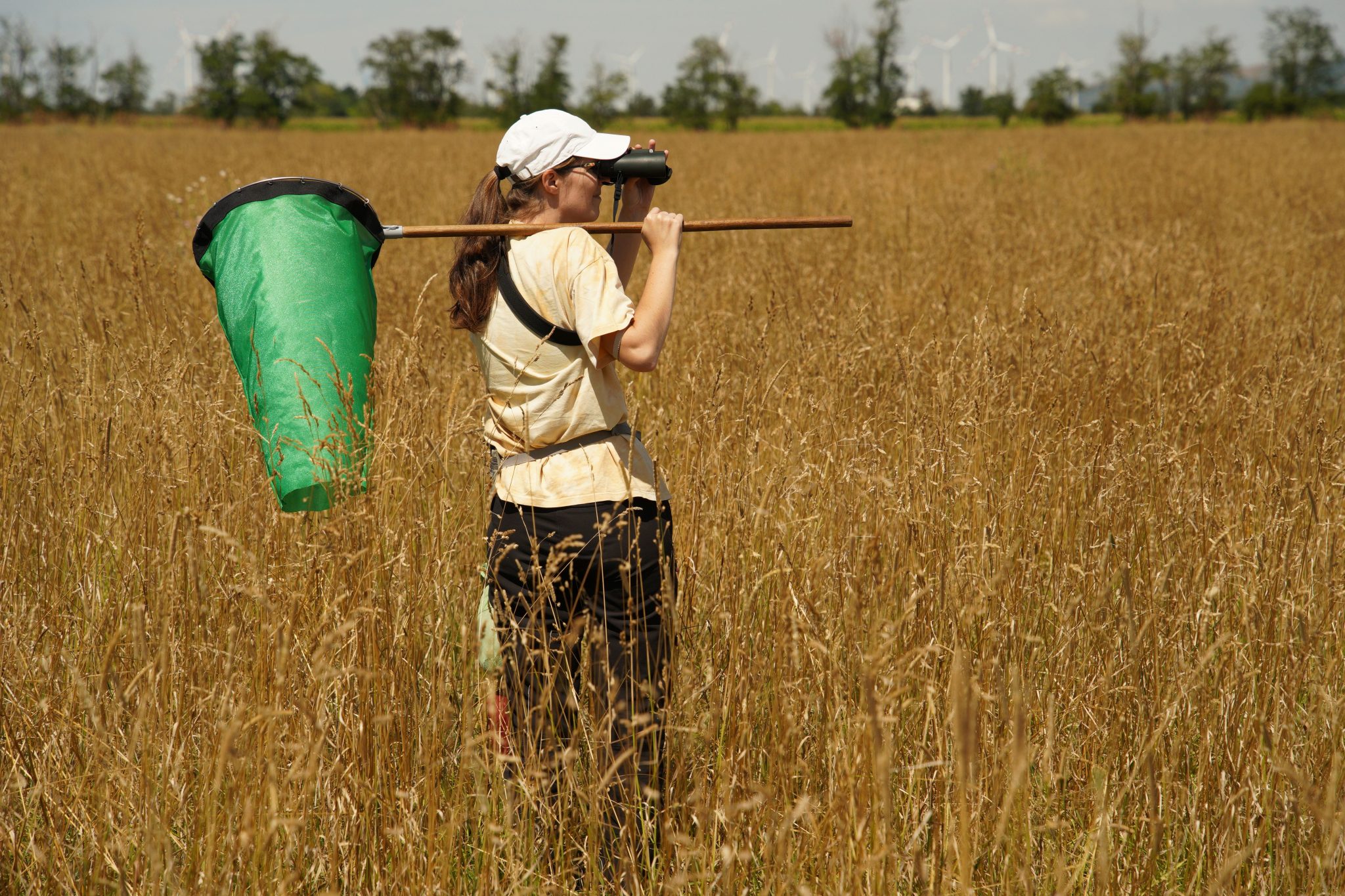
Adriana Cíbik Hološková – Slovak Ornithological Society/BirdLife Slovakia and Charles University, Czech Republic
“I’ve wanted to contribute to biodiversity conservation since childhood when my father introduced me to ornithology. At university, my conservation and bird interests combined into ecological research on farmland biodiversity and the drivers of bird declines in Central and Eastern Europe.
I was fortunate to have inspiring teachers, but a decisive moment was choosing my university supervisor who supported me, trusted my abilities, and gave me the freedom to focus on the type of research that motivated me most.
At both university and BirdLife Slovakia, I’ve been treated equally to male colleagues, given independence, and encouraged to make my own decisions, which allowed me to grow both scientifically and professionally. Seeing scientific knowledge translated into real-world change is highly rewarding, such as turning evidence on farmland bird declines into concrete agricultural policy and conservation measures in Slovakia.
For girls considering a career in science, follow your curiosity, seek supportive mentors, and don’t be afraid to aim high!”
Seeing scientific knowledge translated into real-world change is highly rewarding.
– Adriana Cíbik Hološková
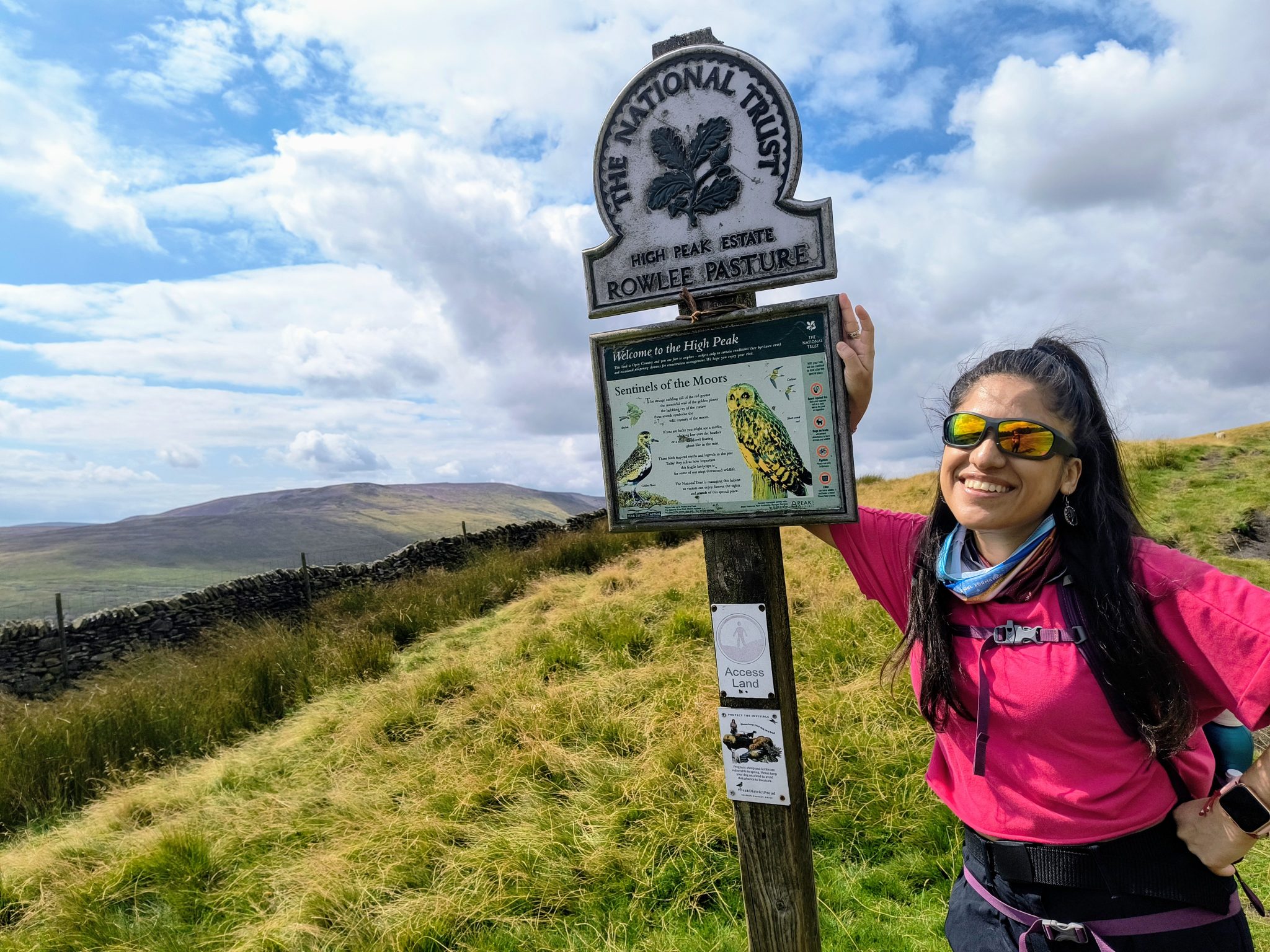
I see courage and creativity in the next generation, and it reminds me that the future of conservation and science is in good hands.
– Karla G. Hernandez-Aguilar
Dr Karla G. Hernandez-Aguilar – Conservation Leadership Programme -BirdLife International
“Although I grew up in Mexico City, one of the world’s busiest cities, my love for the natural world began at my grandparents’ Otomi farming community. My parents nurtured that connection by taking me to national parks and community-run ecotourism sites, sparking a curiosity that never left me.
Entering the world of science as a woman meant stepping into spaces that were often male-dominated. The challenges of being heard, making decisions, and breaking stereotypes became opportunities to grow, lead, and advocate for better representation of women.
My undergraduate research on Endangered Teporingo Rabbit in Central Mexico opened the door to a National Management Plan for its conservation – an opportunity that showed me the impact of young women scientists. Today, working with the Conservation Leadership Programme and mentoring early career conservationists from all around the world inspires and gives me hope. I see courage and creativity in the next generation, and it reminds me that the future of conservation and science is in good hands. To girls, this world needs your ideas and your voice so keep learning.”
Bruna Arbo-Meneses – BirdLife International
“I grew up in an urban environment in southern Brazil, where my family encouraged contact with nature and fostered a daily life that was as environmentally sustainable as possible. My school had its own natural history museum, where my breaks were spent listening to biologists sharing their knowledge. My curiosity thrived and I could explore the questions that fascinated me. I still feel butterflies in my stomach when I’m able to answer them through my work.
It took me a while to realise some challenges I faced had more to do with my gender than my skills. Assumptions that men were stronger at the tasks I was experienced in, professional opinions questioned until confirmed by a male colleague, pay discrepancies, and the constant worry about what to say, what to wear, and where to go all seemed to come as automatic burdens for women pursuing this career. Doing so in a country like Brazil, which often ranks amongst the most dangerous for environmental defenders, wasn’t encouraging. Surrounding myself with people who believed in and supported my potential helped me build confidence in myself.
Today, my work involves far more data analysis than fieldwork, and I’m delighted to transform data into useful information for partners around the world. However, field data collection and collaboration with local communities remain essential, and I hope more women have the freedom, opportunity, and self-confidence to pursue this path.”
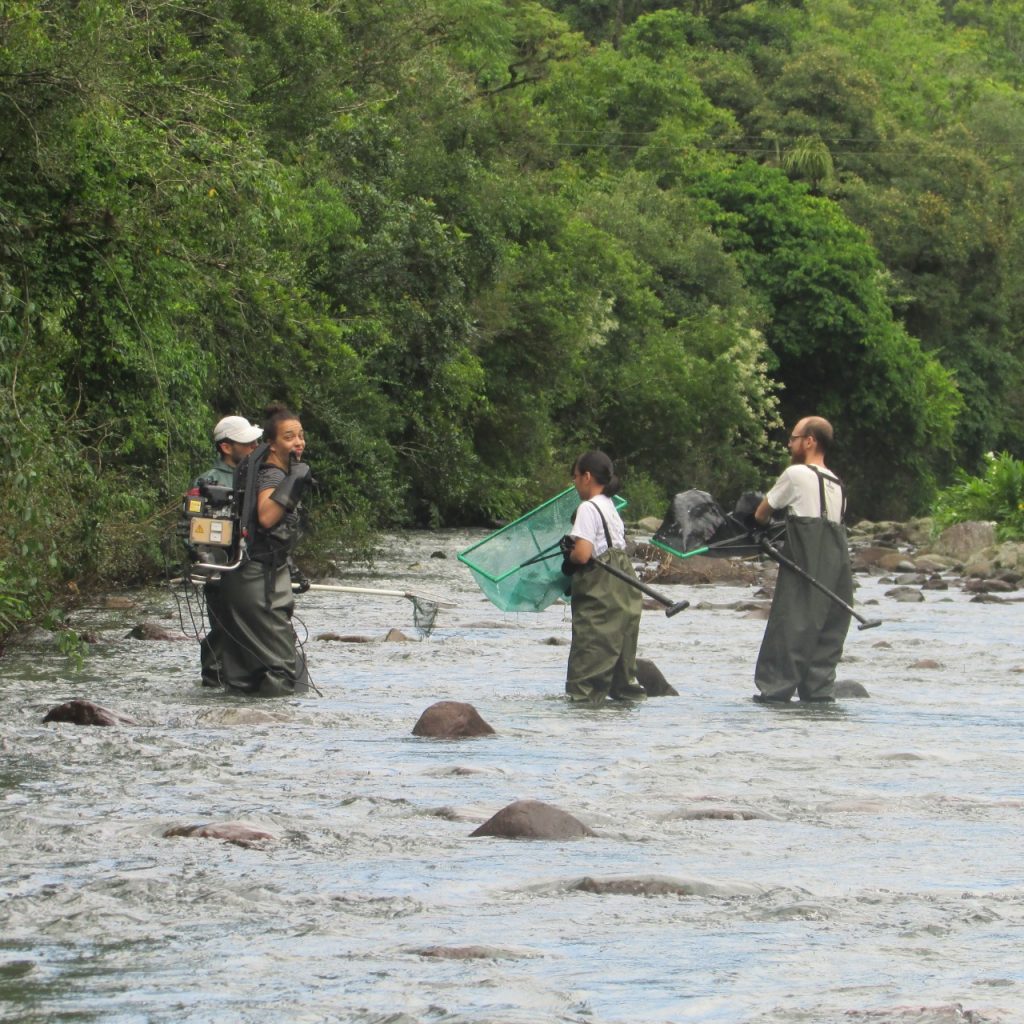
I hope more women have the freedom, opportunity, and self-confidence to pursue this path.
– Bruna Arbo-Meneses
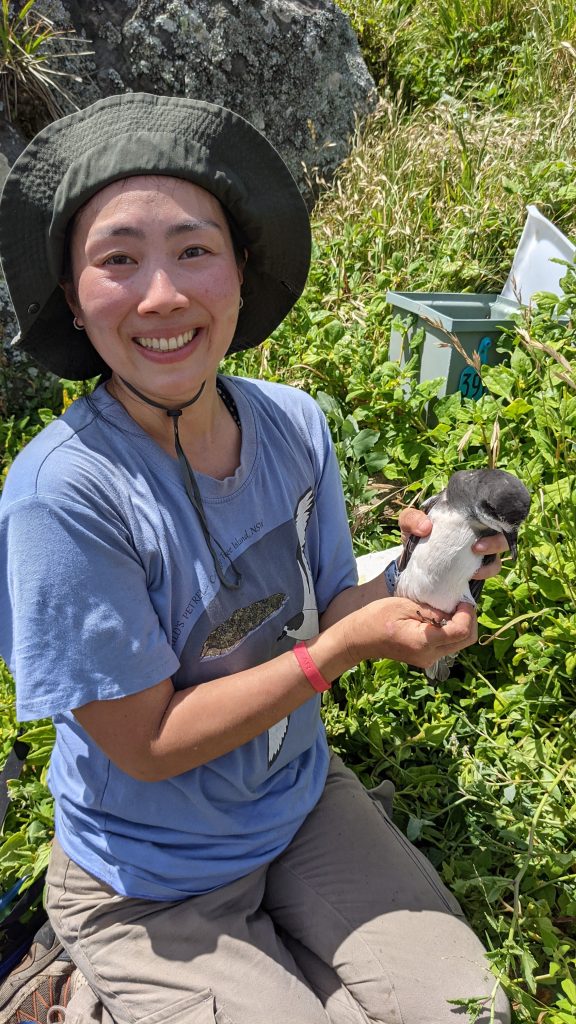
Dr Yuna Kim – Birdlife Australia
“Growing up on the Korean Peninsula, I was fascinated by the ocean and the marine creatures that depend on it. That curiosity gradually turned into a career focused on understanding and protecting seabirds – one of the most threatened groups of birds, yet among the least visible as they spend most of their lives at sea. From working on the White-winged Petrel – one of Australia’s rarest petrels – to studying penguins in Antarctica, my path in science has always been guided by a desire to make research useful for conservation on the ground.
One of the biggest challenges I’ve faced is protecting marine habitats, especially the area beyond national jurisdiction: the high seas. These vast areas are often “out of sight, out of mind,” where thousands of seabirds are killed in fisheries each year. Working in fisheries to mitigate seabird bycatch, a field where women are still underrepresented, has been both challenging and deeply rewarding. I’ve been fortunate to have strong mentors and supportive colleagues, and I’ve seen how diverse perspectives strengthen conservation outcomes. These experiences have helped me trust my expertise and build resilience.
My advice to girls considering a career in science is to keep questioning and searching for answers and be persistent. Meaningful discoveries and conservation outcomes take time and are never achieved alone, so it’s important to build a great team around you.”
Maïa Sarrouf Willson – Environment Society of Oman
“I knew from a young age that I wanted to study the environment as protecting nature has always been my passion. At school I even started a small recycling scheme! While most of my friends then chose more traditional paths such as engineering, business, medicine, or law, I was the only one who went into environmental studies. I completed a BSc and an MSc in Environment Science, and an MPhil in Conservation Leadership. Since graduating, I have never been unemployed – a powerful reminder that there is real demand for women in science and conservation.
There are many challenges to working in science, but I encourage girls to pursue scientific careers, because in the end it is evidence and science that change policies and protects nature. Sometimes it can feel like we’re battling a storm, and chaos can be perceived as an inspiration, and an invitation to restore balance to broken systems or damaged landscapes. We must keep pushing the conservation agenda forward, inspiring those around us to build nature-positive societies and to embed biodiversity and natural capital into everyday ‘business as usual’ decisions.”
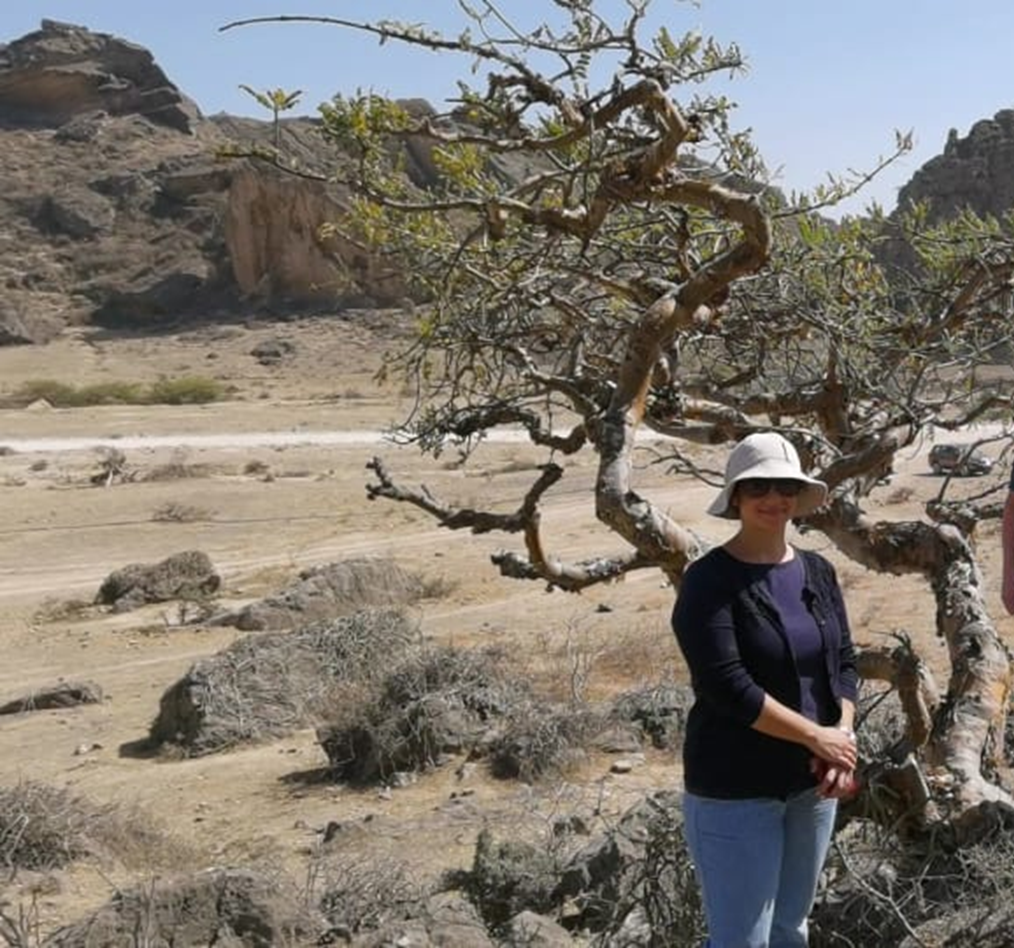
I have never been unemployed – a powerful reminder that there is real demand for women in science and conservation.
– Maia Sarrouf Willson