Al Siniyah Island: An Exceptional Habitat for Socotra Cormorants and Coastal Biodiversity in the UAE
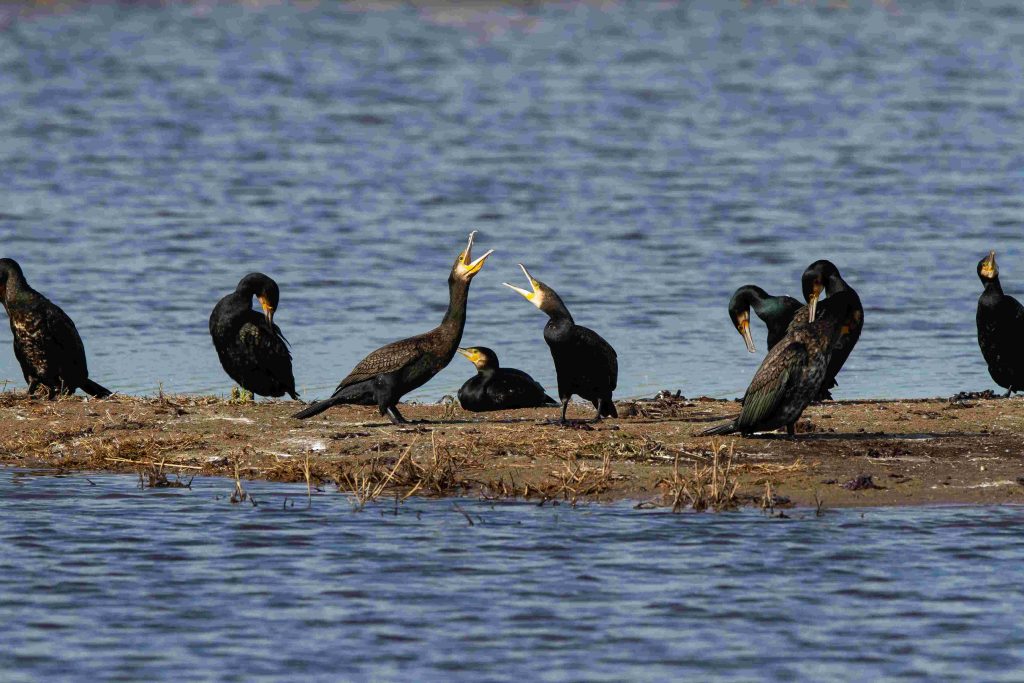
A vital coastal habitat east of Umm Al Quwain supports one of the largest breeding colonies of the Vulnerable Socotra Cormorant, alongside dugongs, green turtles, and migratory birds on the African-Eurasian Flyway. Its mangroves, wetlands, and archaeological sites face growing threats, making continued protection and monitoring essential.
By Ashjan Al- Ananzeh
Al Siniyah Island is located east of the city of Umm Al Quwain in the United Arab Emirates. Stretching approximately eight kilometres in length and separated from the mainland by the Umm Al Quwain Creek, it is one of the largest islands in the Emirate of Umm Al Quwain. The island is characterised by its flat terrain and diverse vegetation, including extensive mangrove stands, Ghaf trees, and seasonal shrubs. It also contains around 65 archaeological sites, including graves, shell middens, and towers, as well as a church and a monastery dating back to the seventh century AD. These features give the island significant historical and cultural value alongside its ecological importance.
The island is a vital hub for shallow marine habitats, such as seagrass meadows, salt flats, and coastal wetlands, which support many important marine species at both the national and regional levels. Seagrass meadows are among the most productive ecosystems in the Arabian Gulf, providing food and shelter for numerous fish species and serving as a key food source for sea turtles, especially green turtles. These meadows also serve as a primary feeding habitat for dugongs, which rely almost entirely on seagrass, with the UAE hosting the world’s second-largest dugong population after Australia.
Al Siniyah Island is recognized as one of the most important seabird sites in the Arabian Gulf and was recently designated as a key Biodiversity Area (KBA) in the United Arab Emirates. This designation is based on the global criteria for identifying Key Biodiversity Areas (KBAs), led by BirdLife International and its partners. It reflects the island’s exceptional value for hosting large breeding colonies of seabirds, as well as its role as an important site for migratory birds, with dozens of seabird and waterbird species recorded annually.
The island is particularly notable as one of the most important habitats for the Socotra Cormorant, a tropical and regionally endemic seabird species classified as Vulnerable on the IUCN Red List. Al Siniyah Island supports one of the species’ largest breeding colonies, close to improved shaded areas and abundant food, and measured via modern bird monitoring techniques.
According to the limited studies that have monitored the species on the island, a study published in Waterbirds in 2012 reported that approximately 15,500 breeding pairs were recorded during the breeding season. More recent research, including the study Breeding Population Biology published in 2017, estimated around 28,000 breeding pairs in 2011, with numbers increasing to more than 41,000 pairs by 2014
The island is an important stopover on the African-Eurasian Flyway, linking breeding grounds in Europe and Asia with wintering areas in Africa. The island provides safe habitats for birds to rest and feed before continuing their long journeys. It also attracts a mix of resident, regionally breeding, and migratory or seasonally visiting birds.
It also attracts protected species, including White-cheeked Tern (Near Threatened), which breeds in sandy colonies often near cormorant sites; Sooty Gull (Least Concern), a resident of coasts and mudflats; and Crab-plover (Near Threatened), which relies on tidal areas to feed on molluscs and crustaceans. Grey Heron and Glossy Ibis visit seasonally, utilising the mangroves and coastal wetlands.
Its vegetation plays a key role in supporting wildlife and maintaining ecological balance. offer natural habitats, shade and protection for bird colonies, especially during the breeding season. The island is mostly covered by semi-desert coastal ecosystems, with salt- and drought-tolerant plants along creeks and coastal wetlands that help stabilize sand and prevent erosion. Al Siniyah is also home to unique animals, including the Arabian subspecies of Red Fox, Arabian Sand Gazelles, and a variety of reptiles such as lizards and agamas, as well as coastal crustaceans and crabs. All rely on the island’s rich natural habitats.
Socotra Cormorant faces several ongoing threats on the island – predominantly, predation by Arabian Red Fox, which reduces breeding success significantly. A study published in Wildlife Biology in 2018 used camera traps to monitor 24 foxes on the island and found that 80% of their diet during the breeding season was Socotra Cormorants and their eggs. It was estimated that the foxes killed more than 3,500 cormorants in a single breeding season.
Additionally, as many other islands in the Arabian Peninsula, Al Siniyah Island’s ecosystems face growing pressures from urban and tourism development, climate change, and human activities. These challenges affect wildlife, especially species sensitive to nesting. Continuous monitoring, enforcing national regulatory frameworks for high standards impact assessments, regulations of human activities and protection of critical habitats are essential to preserve the island’s ecological and cultural value and maintain its role as a major site of biodiversity in the region.
BirdLife Middle East works through its strategic initiative for the protection and sustainability of coastal wetlands in the Arabian Peninsula to strengthen scientific research and regional cooperation in safeguarding these unique ecosystems. The initiative focuses on assessing habitats, documenting biodiversity, and identifying the most pressing threats, paving the way for effective protection and restoration of vulnerable areas. It also promotes collaboration between governments, NGOs, and international agreements to ensure sustainable actions that address unregulated urban growth, climate change, industrial pollution, and protect biodiversity linked to local cultures, while enhancing ecosystem resilience.
Protecting Al Siniyah Island is a shared responsibility that requires coordinated efforts from stakeholders and the local community to preserve its unique ecological value as a habitat for the Socotra Cormorant, seabirds, and other migratory species in the Arabian Gulf and the Middle East.
جزيرة السينية: موئل طبيعي فريد للغاق السقطري والتنوع الحيوي الساحلي في الإمارات العربية المتحدة
تقع جزيرة السينية شرق مدينة أم القيوين في دولة الإمارات العربية المتحدة، تبلغ امتدادها نحو ثماني كيلومترات طولًا ويفصلها عن اليابسة خور أم القيوين وتعد من أكبر جزر إمارة ام القوين، تتميز الجزيرة بتضاريسها المستوية ونباتاتها المتنوعة، حيث تغطيها أشجار القرم (مانغروف) وأشجار الغاف والشجيرات الموسمية، إضافة إلى احتوائها على نحو 65 موقعًا أثريًا بين قبور وتلال صدفية وأبراج، منها كنيسة ودير يعودان إلى القرن السابع الميلادي، مما يضفي عليها قيمة تاريخية وثقافية، إلى جانب أهميتها البيئية.
وتُعد الجزيرة نقطة حيوية للموائل البحرية الضحلة، مثل مروج الأعشاب البحرية والسبخات والمسطحات الرطبة الساحلية، التي تدعم العديد من الكائنات البحرية المهمة على المستويين الوطني والإقليمي. حيث تعتبر مروج الأعشاب البحرية من أبرز الأنظمة البيئية المنتجة في الخليج العربي، إذ توفر موائل غذاء ومأوى لأنواع عديدة من الأسماك، وتعد مصدرًا غذائيًا أساسيًا للسلاحف البحرية، وخاصة السلاحف الخضراء. كما تمثل هذه المروج موطنًا غذائيًا رئيسيًا لأبقار الماء (الأطوم)، التي تعتمد تقريبًا كليًا على الأعشاب البحرية، وتشكل الإمارات ثاني أكبر تجمع عالمي لبقر البحر بعد أستراليا.
تُعد جزيرة السينية من أهم مواقع الطيور البحرية في الخليج العربي، وقد أُدرجت مؤخرا ضمن المناطق الهامة للتنوع الحيوي في دولة الإمارات، ويستند هذا التصنيف إلى المعايير العالمية لتحديد المناطق الهامة للتنوع الحيوي، التي تقودها بيردلايف إنترناشونال وشركاؤها، ويعكس القيمة الاستثنائية للجزيرة لما تحتضنه من مستعمرات كبيرة للطيور البحرية المتكاثرة، إضافة إلى دورها كموقع مهم للطيور المهاجرة، حيث يُسجَّل فيها سنويًا وجود عشرات الأنواع من الطيور البحرية والطيور المائية
تمتاز الجزيرة بـأنها من اهم المواطن للغاق السقطري، الطائر البحري الاستوائي المهدد اقليميا، حيث يصنّف ضمن فئة معرض للخطر وفق القائمة الحمراء للاتحاد الدولي لصون الطبيعة، وتعد الجزيرة واحدة من أكثر مواقع تجمع الغاق وتكاثره خاصة مع تحسين المناطق المظللة ووفرة الغذاء، إلى جانب استخدام تقنيات حديثة لمراقبة الأعداد.
وبحسب الدراسات القليلة التي رصدت وتتبعت الطائر على الجزيرة، تشير الدراسة التي نشرتها جمعية الطيور المائية عام 2012 إلى ان الجزيرة استضافت نحو 15,500 زوج من الغاق في موسم التكاثر، أما الدراسات الأحدث، مثل دراسة Breeding Population Biology المنشورة عام 2017، فقدرت أعداد أزواج الغاق على الجزيرة بحوالي 28 ألف زوج في 2011، ثم ارتفعت إلى ما يزيد عن 41 ألف زوج في عام 2014
تُعد جزيرة السينية محطة توقف مهمة على المسار الأفريقي-الأوراسي للهجرة، الذي يربط مناطق التكاثر في أوروبا وآسيا بمناطق الشتاء في إفريقيا. حيث توفر الجزيرة موائل آمنة للطيور للراحة والتغذية قبل مواصلة رحلاتها الطويلة. كما تستقطب الجزيرة مزيجًا من الطيور المقيمة والمتكاثرة إقليميًا والطيور المهاجرة والزائرة موسميًا.
ومن أبرز هذه الأنواع الخرشنة الغشواء المصنفة قريبة من التهديد والتي تتكاثر في المستعمرات الرملية بالجزيرة وغالبًا قرب مواقع الغاق السقطري، والنورس الأسحم غير المهدد والذي يُعد من الطيور المقيمة في السواحل والمسطحات الطينية، وتستضيف الجزيرة طائر الحنكور المصنف كـ قريب من التهديد والذي يعتمد على مناطق المد والجزر بحثًا عن الرخويات والقشريات، كذلك تسجل زيارات لأنواع مهاجرة مثل البلشون الرمادي (مالك الحزين) والأنوق اللامع(وأبو منجل) اللذين يُعدان طيورًا مهاجرة تزور الجزيرة في مواسم محددة مستفيدين من نباتات القرم(المانجروف) والأراضي الساحلية الرطبة.
يلعب الغطاء النباتي للجزيرة دورًا أساسيًا في دعم الحياة البرية والحفاظ على التوازن البيئي، حيث توفر أشجار القرم والغاف موائل طبيعية وظلًا وحماية لمستعمرات الطيور، خاصة خلال مواسم التكاثر. كما تغطي الجزيرة في الغالب نظم بيئية ساحلية شبه صحراوية، مع نباتات مقاومة للملوحة والجفاف على طول الخور والمسطحات الرطبة الساحلية، والتي تساعد في تثبيت الرمال ومنع التعرية. كما تحتضن الجزيرة مجموعة متنوعة من الحيوانات الفريدة، بما في ذلك الثعلب العربي الأحمر، والظباء الرملية، وتنوع ملحوظ من الزواحف مثل السحالي والحراذين، بالإضافة إلى القشريات والسرطانات الساحلية، جميعها تعتمد على الموائل الطبيعية الغنية للجزيرة
الغاق السقطري يواجه العديد من التهديدات المستمرة على الجزيرة، أبرزها افتراسه من قبل الثعلب العربي الأحمر الذي يقلل من نجاح التكاثر. حيث أظهرت دراسة نُشرت في مجلة (علم أحياء الحياة البرية) عام 2018، استخدم فيها الباحثون كاميرات مراقبة لدراسة 24 ثعلبًا عربياً على الجزيرة، أن 80% من غذاء هذه الثعالب خلال موسم التكاثر كان من طيور الغاق وبيضها، وقد قُدّر أن الثعالب قتلت أكثر من 3,500 طائر غاق خلال موسم واحد للتكاثر. كما أظهرت الدراسة أن وجود الاشجار المظللة على الجزيرة يزيد من معدل فقس البيض لدى الغاق السقطري من 46.6% في المناطق غير المظللة إلى حوالي 65% في المناطق المظللة، مما يؤكد على أهمية تعزيز الغطاء النباتي وخصوصاً الأشجار المظللة حيث ان وجودها بكثرة يعزز نجاح التكاثر ويُعد من الإجراءات المفيدة للحفاظ على هذا النوع.
وكغيرها من الجزر في شبة الجزيرة العربية تعاني الأنظمة الحيوية في جزيرة السينية من ضغوطًا متزايدة ناجمة عن التوسع العمراني والسياحي المستمر والغير منضبط، والتغيرات المناخية، والأنشطة البشرية. تؤثر هذه التحديات على الحياة البرية، وخاصة الأنواع الحساسة للتعشيش التي تحتاج إلى موائل هادئة وآمنة خلال موسم التكاثر.
ويعد الرصد المستمر وتطبيق الأطر التنظيمية الوطنية لإجراء تقييمات أثر عالية المعايير وتنظيم الأنشطة البشرية، وحماية الموائل الحرجة، إجراءات أساسية للحفاظ على القيمة البيئية والثقافية للجزيرة وضمان استمرار دورها كموقع رئيسي للتنوع الحيوي في المنطقة
تعمل بيردلايف الشرق الأوسط من خلال مبادرتها الاستراتيجية لتعزيز حماية واستدامة الأراضي الرطبة الساحلية في شبه الجزيرة العربية على تعزيز البحث العلمي والتعاون الإقليمي لحماية هذه النظم البيئية الفريدة. تركز المبادرة على تقييم الموائل، وتوثيق التنوع الحيوي، وتحديد أكثر التهديدات إلحاحًا، تمهيدًا لوضع خطط حماية واستعادة فعّالة للمناطق الأكثر عرضة للخطر. كما تعزز المبادرة التعاون بين الحكومات والمنظمات غير الحكومية والاتفاقيات الدولية لضمان أن تكون الإجراءات المستدامة قادرة على مواجهة التوسع العمراني غير المنظم، والتغيرات المناخية، والتلوث الصناعي، وحماية التنوع الحيوي المرتبط بالثقافات المحلية، وتعزيز قدرة النظم البيئية على التكيف مع التحديات المستقبلية.
إنّ حماية جزيرة السينية مسؤولية جماعية تتطلب تكاتف الجهات المعنية والمجتمع المحلي لضمان استدامة هذا الموقع الحيوي للأجيال القادمة، والحفاظ على قيمته البيئية الفريدة كموئل للغاق السقطري ولطيور البحر والطيور المهاجرة الأخرى في منطقة الخليج العربي والشرق الأوسط