Voices of the Flyways: Akshita Rabdiya
In this new series, we’ll meet conservationists to learn more about their vital work right along the world's migratory flyways.
Migratory birds connect landscapes, countries and even continents through their incredible long-distance journeys. As they travel to and from their breeding grounds, birds use routes known as ‘flyways’.
We have been working with our Partner in the UK, the RSPB, with the support of the Ecological Restoration Fund, on an ambitious project to protect migratory birds along one of these globe-spanning routes – the African-Eurasian Flyway which stretches from the Arctic all the way to the southern tip of Africa.
So what does it take to protect migratory birds and their habitats? Find out below!
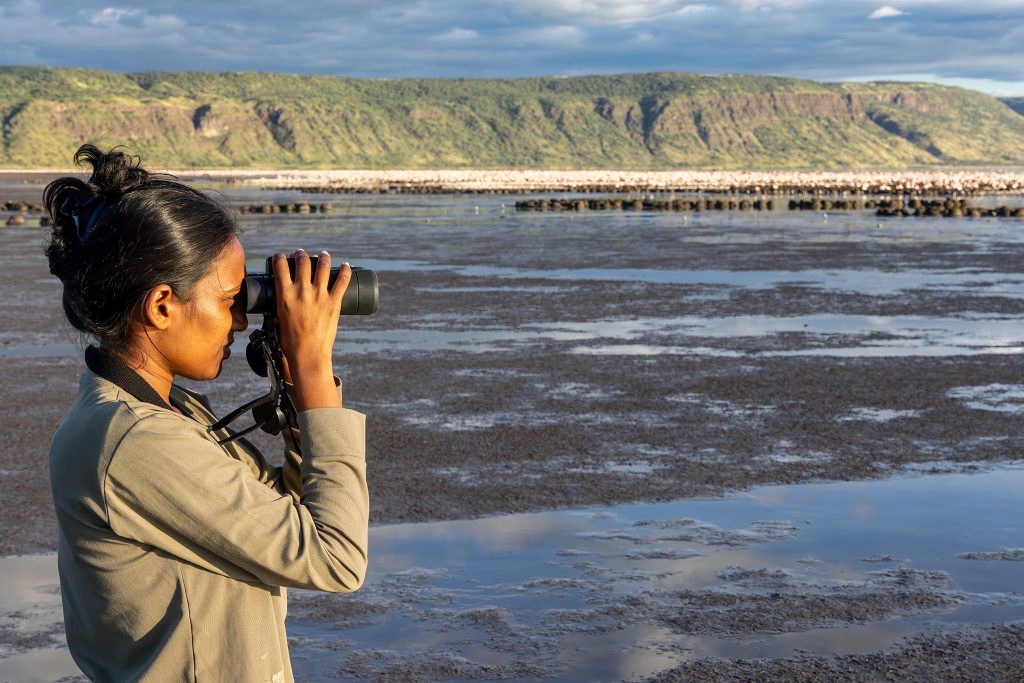
Researching flamingos in Lake Natron
Akshita Rabdiya is a researcher working for Nature Tanzania, our BirdLife Partner in the country. She works primarily within the African–Eurasian Flyway, which stretches across Europe, Africa, and the Middle East. This flyway supports millions of migratory birds every year, including White Stork, European Roller and Common Ringed Plover.
Tell us about where you work. What is the habitat like, and what makes it important for migratory birds?
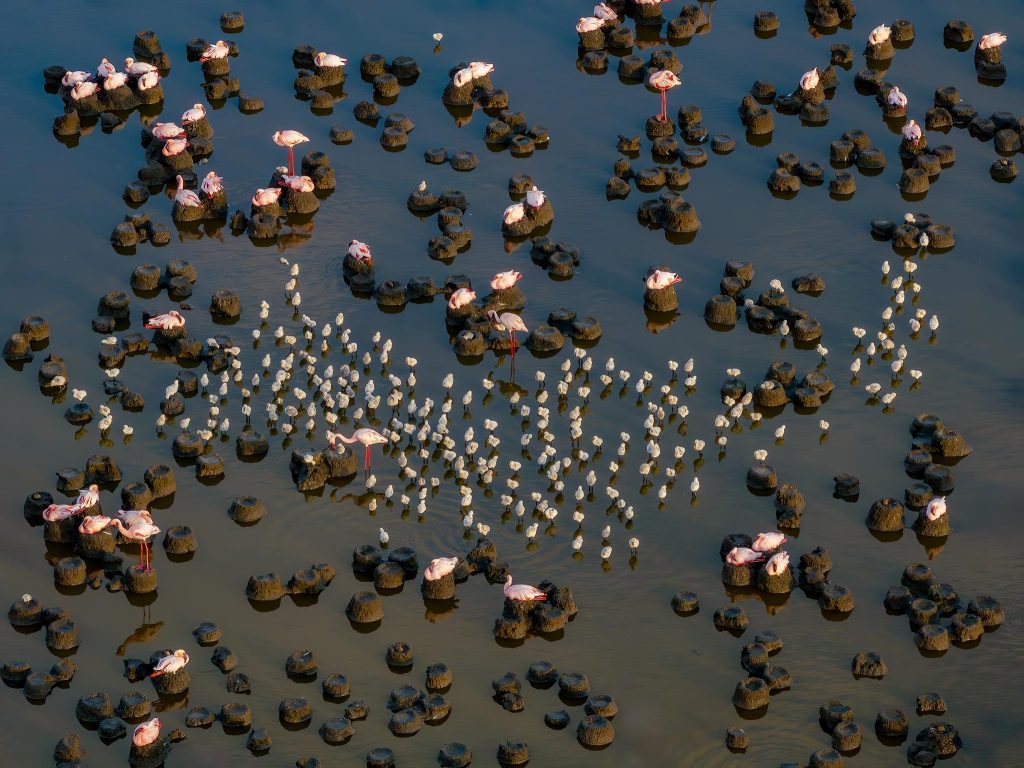
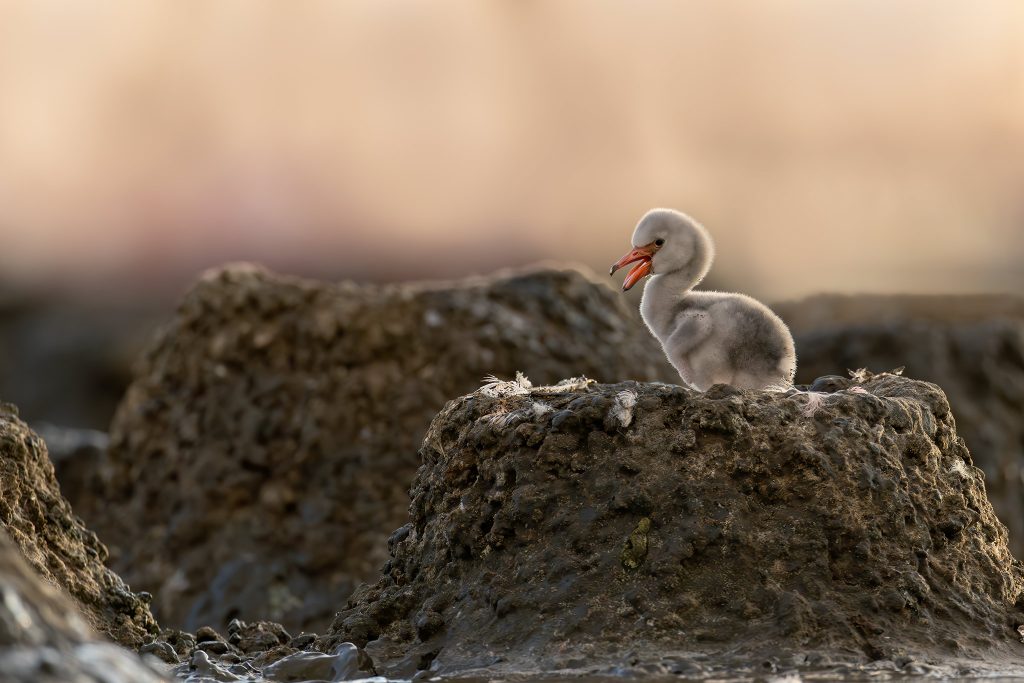
Akshita Rabdiya: “Within the African-Eurasian Flyway, my work is focused on the Eastern African section, particularly northern Tanzania, where Lake Natron serves as a critical breeding and feeding site for many species. The lake is particularly important for Lesser Flamingo, which are almost entirely dependent on Eastern African saline lakes for breeding. In addition to flamingos, Lake Natron hosts diverse resident waterbirds, such as Pied Avocet, Black-winged Stilt, and Secretarybird, making it a hub for both resident and migratory species. It is also recognised as Ramsar site, an Important Bird and Biodiversity Area and a Key Biodiversity Area.
The work I do contributes to broader conservation efforts across the flyway by generating data on population trends, breeding success, and habitat quality, which informs regional strategies. Conserving this flyway requires not only local action but also collaboration with partners across countries, ensuring that these migratory birds have safe passage and suitable habitats throughout their journey.”
Header image by Paul Mckenzie.
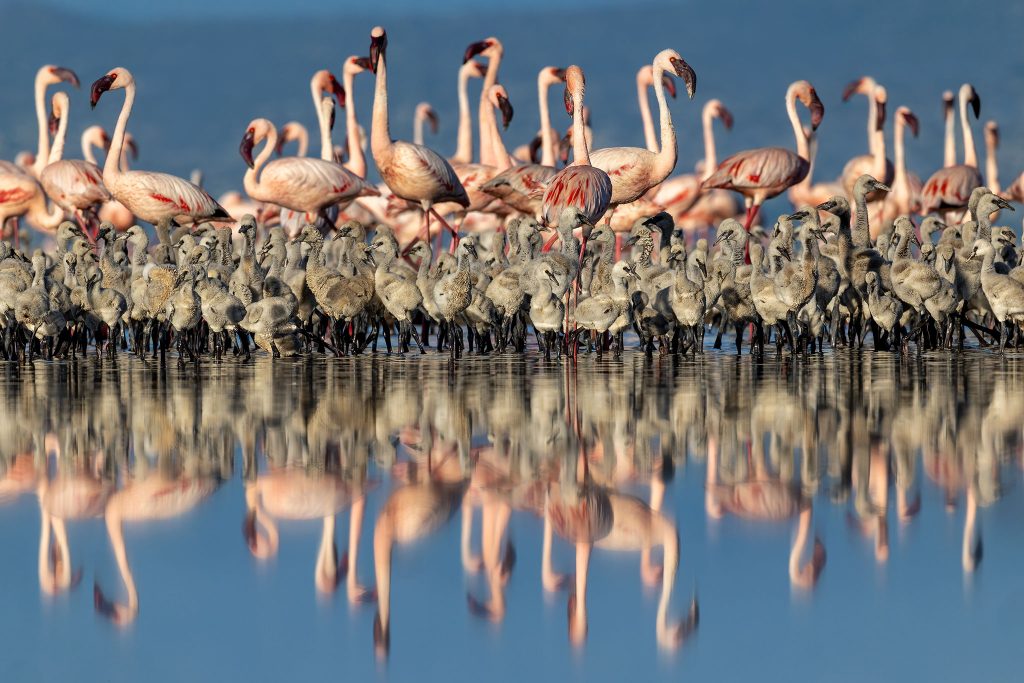
“I wish people understood that flyways are like ecological highways, connecting continents and countries through a series of critical habitats. Birds do not rely on a single site; they need a network of wetlands, lakes, and stopover sites to complete their long-distance migrations successfully.”
– Akshita Rabdiya, Researcher at Nature Tanzania
Tell us about the work of your organisation, and how the Ecological Restoration Fund project has contributed to this?
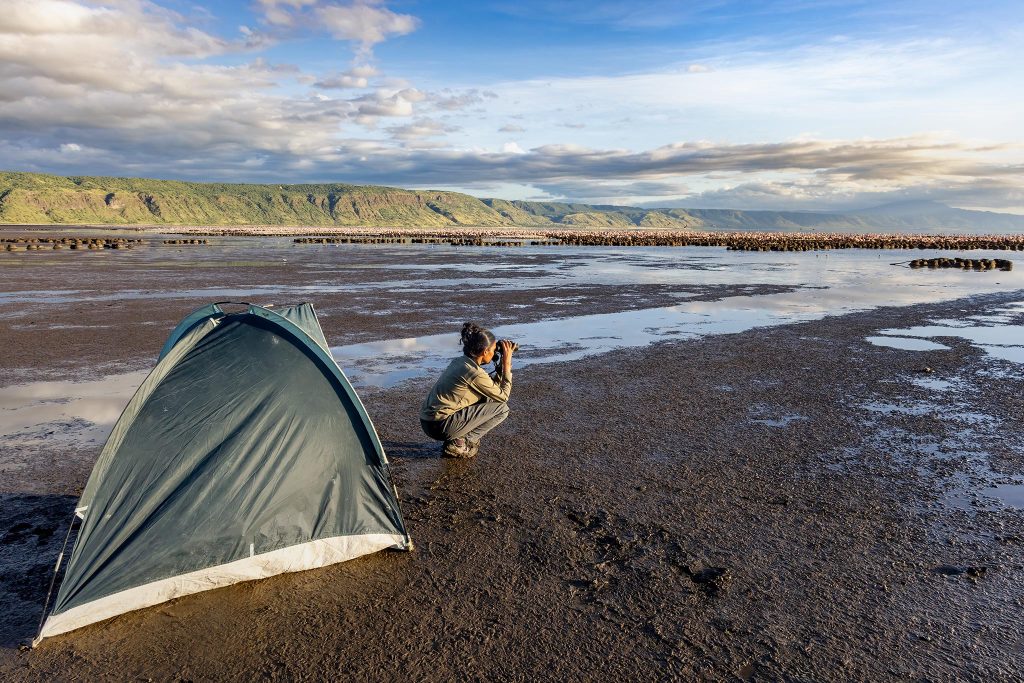
AR: “Our work has focused on monitoring and protecting migratory waterbirds at Lake Natron, with an emphasis on the Lesser and Greater Flamingo. We are conducting monthly surveys across key sites, including Magadini, Monik, and Pinyinyi, using standardised point counts to assess population size, breeding activity, and habitat conditions. This long-term monitoring provides crucial data on trends and helps identify threats to both resident and migratory species. In addition to field surveys, we worked on habitat assessment and mapping, analysing land-use changes, water levels, and environmental factors that affect bird populations. This information helps inform management decisions and site protection strategies.
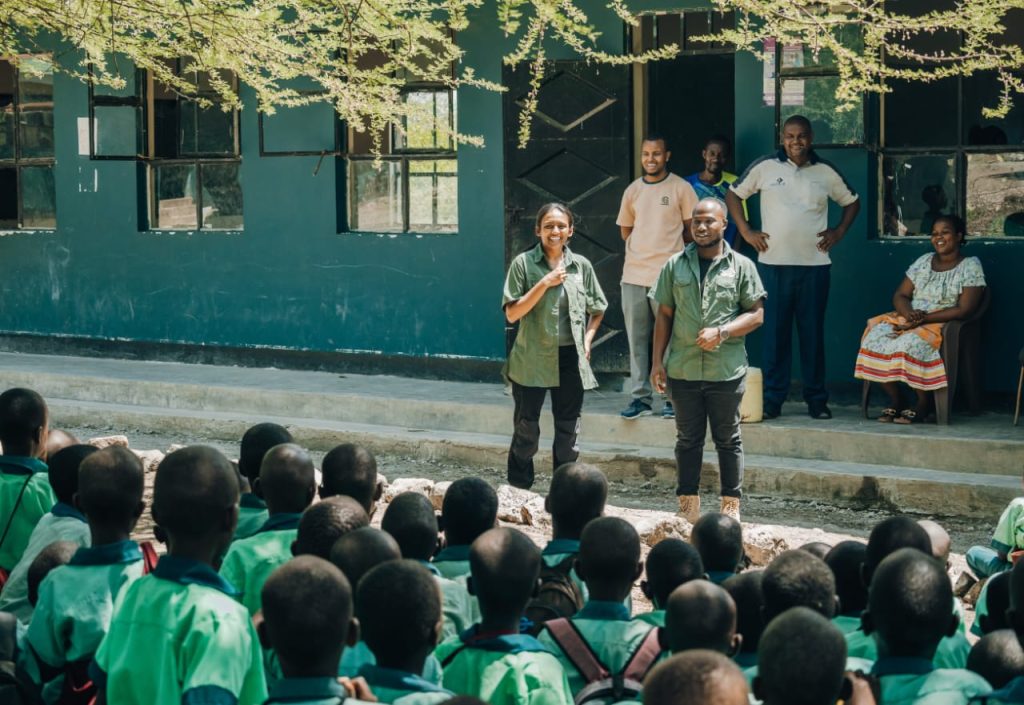
We also placed significant emphasis on community engagement, training local tour guides and students to conduct monitoring and participate in awareness campaigns. This not only builds local capacity but ensures that conservation efforts are sustained beyond individual projects. Our activities under the Ecological Restoration Fund project have included workshops with stakeholders, advocacy for wetland protection, and collaboration with Tanzanian authorities and research institutions.”
What’s the funniest or strangest thing that’s ever happened to you in the field?
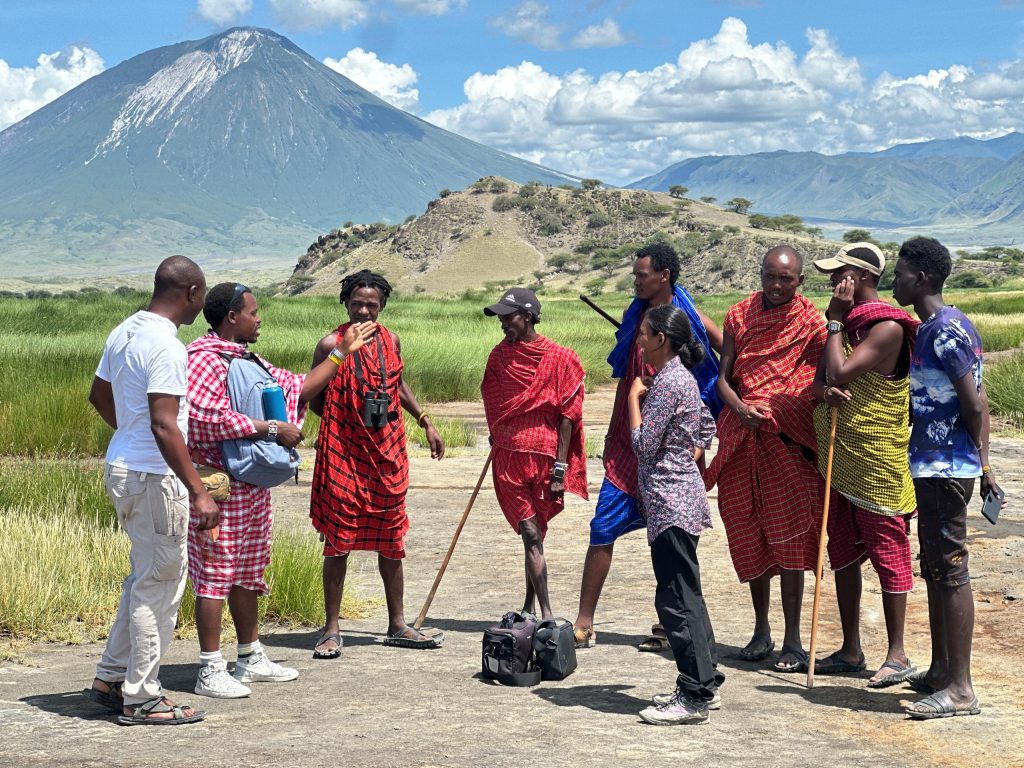
AR: “One of the funniest moments I’ve experienced in the field happened during a particularly hot afternoon at Lake Natron, when temperatures reached around 43°C. I was sitting out in the open sun, observing flamingo breeding colonies during the afternoon hours, fully focused on my notes and binoculars. From a research perspective, it made sense—but from the outside, it must have looked completely irrational. A Maasai child approached me, clearly curious and slightly concerned about what I was doing alone in such extreme heat. He watched me for a while before asking questions. I tried my best to explain our work—why we were monitoring flamingos and why the lake was important—using my very broken Kiswahili, while he spoke mainly Maa (Maasai language). Despite the language barrier, I somehow managed to communicate.
After listening to me seriously describe our work, he suddenly burst out laughing and said, “kichaa mzungu”—which loosely translates to “crazy foreigner.” To him, the idea of sitting in the blazing sun just to watch birds was completely absurd. What made it even funnier was that the next day he returned with several of his friends, not to ask questions, but simply to stand at a distance and laugh at me again as I continued my observations. That moment reminded me how fieldwork often looks very different depending on perspective—and how laughter, even without a shared language, can create an unexpected connection.”
Not everyone knows how important the flyways are. What is one thing you wish everybody knew?
AR: “I wish people understood that flyways are like ecological highways, connecting continents and countries through a series of critical habitats. Birds do not rely on a single site; they need a network of wetlands, lakes, and stopover sites to complete their long-distance migrations successfully. Damaging or losing even one of these habitats can have far-reaching consequences for bird populations thousands of kilometres away. For example, Lake Natron is a key breeding site for Lesser Flamingo, but these birds also depend on other lakes and wetlands across Eastern Africa to feed and rest during migration. Protecting one lake in isolation is not enough; conservation must consider the entire network of sites within the flyway.
Another important point is that migratory birds provide ecosystem services, such as nutrient cycling, pest control, and tourism opportunities, which benefit both humans and biodiversity. By protecting flyways, we are safeguarding not only the birds themselves but also the ecological and socio-economic functions that these species support. I hope more people realise that flyway conservation is inherently a global responsibility with local actions having international impacts.”
We were delighted to hear that the threat posed by a new soda ash mine to Lake Natron had been halted in August 2025, but it seems to be back this year. What can you tell us about the situation, and what is Nature Tanzania doing about it?
AR: “The soda ash plant project is unfortunately not a new threat to Lake Natron. Over the years, several similar projects have been proposed by different stakeholders. We see this as a recurring risk that will continue to resurface unless the government puts in place a complete and unequivocal ban on soda ash extraction in the Lake Natron area, without leaving room for future reconsiderations of such projects.
In response, Nature Tanzania has focused strongly on sensitising the local communities living around Lake Natron. This work includes meetings with village leaders, community engagement initiatives, and fundraising to promote sustainable tourism as an alternative livelihood. These efforts aim to help communities better understand the unique ecological importance of Lake Natron, its global value, and the long-term social and economic benefits of conserving it. At the same time, we are developing new strategies that support sustainable, long-term benefits for local people while safeguarding the ecosystem.
As Nature Tanzania, we remain fully committed to working tirelessly to protect Lake Natron—the only regular breeding site of the Lesser Flamingo—and to ensuring that this globally important site is conserved for future generations.”
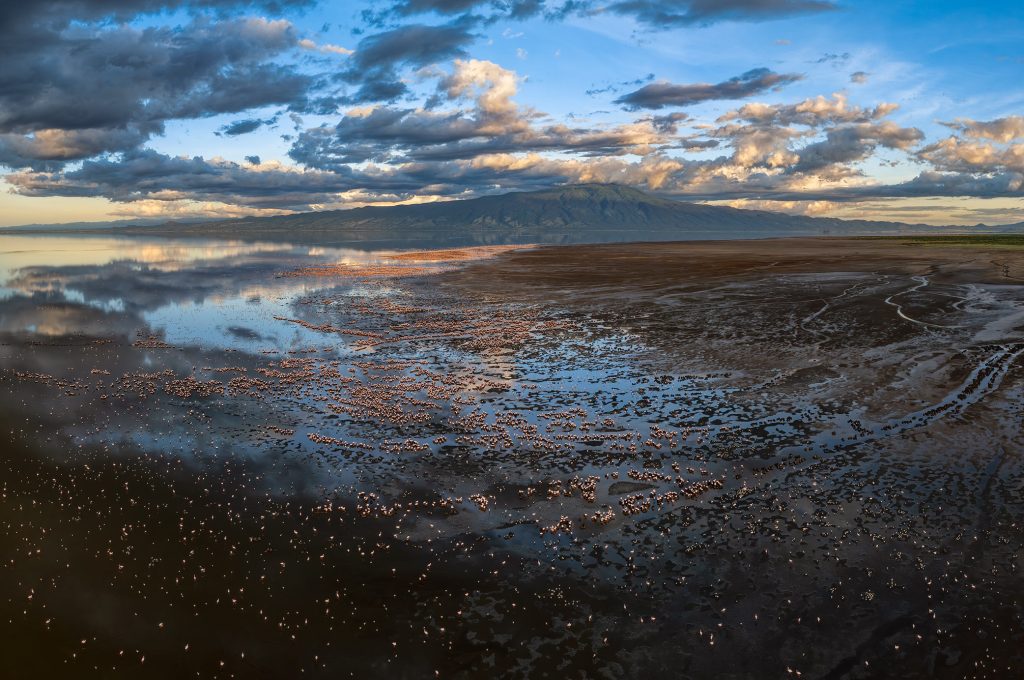
“Lake Natron is just one stop. Flamingos and other waterbirds rely on multiple lakes across Eastern Africa. Protecting one site alone isn’t enough—conservation must consider the whole network.”
– Akshita Rabdiya, Researcher at Nature Tanzania
What’s your favourite thing about doing this job?
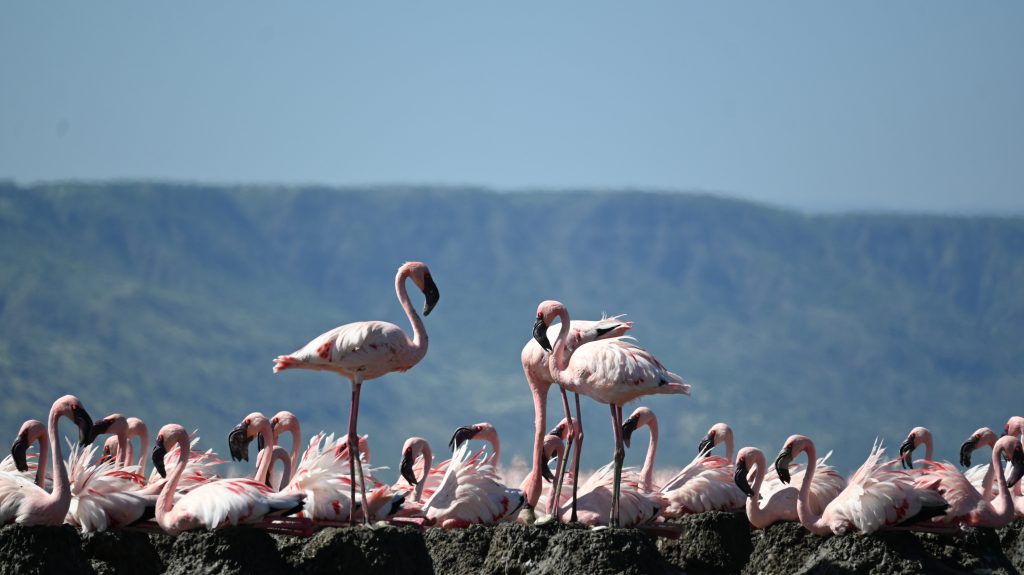
AR: “My favourite part is seeing the direct impact of local actions on global bird populations. Monitoring flamingo colonies, collecting data on population trends, and engaging with communities makes me feel that our work is contributing to something much larger than any single project. Knowing that protecting Lake Natron affects the survival of species across multiple countries is incredibly motivating.”
What is the biggest challenge you face in your work?
AR: “Helping local communities fully understand the ecological importance of Lake Natron and the role flamingos play within it. For many years, the lake was primarily seen as a harsh or unproductive landscape, rather than as a globally significant wetland that supports millions of birds and provides long-term benefits for local livelihoods. Bridging this gap between scientific knowledge and local perspectives has required sustained engagement and trust-building.
While Lake Natron already provides direct and indirect benefits to surrounding communities—such as grazing areas, salt harvesting for local use, and ecosystem services—these connections are not always immediately linked to bird conservation. One of the most visible benefits has been the growth of sustainable tourism, particularly around Engare Sero village, where flamingos and the dramatic landscape attract visitors. More recently, we are putting in similar efforts for Magadini and Monik villages, where communities are beginning to recognise the economic and cultural value of protecting flamingo habitats.”
If you had to choose one species to represent your flyway, what would it be and why?
AR: “The Lesser Flamingo! It embodies the challenges and beauty of long-distance migration. Its life cycle illustrates the importance of habitat connectivity: birds breed at a specific saline lake, like Lake Natron, and rely on other wetlands across Eastern Africa for feeding.”
What makes you feel optimistic about your work?
AR: “I feel optimistic because of the growing collaboration and engagement across institutions, governments, and communities. There is an increasing recognition of Lake Natron’s global importance, and many stakeholders are now invested in its protection. Scientific research, conservation action, and local stewardship are becoming more integrated, creating stronger, more resilient conservation strategies. The enthusiasm of local conservation champions and young researchers also gives me hope. They are actively involved in monitoring, awareness campaigns, and advocacy, ensuring that conservation knowledge is shared and sustained. Seeing their commitment and creativity reinforces the idea that positive change is possible.
Data from our projects is beginning to influence regional and international decision-making. Evidence-based conservation demonstrates that targeted interventions and collaborative efforts can make a real difference. Despite challenges, these successes show that migratory birds and their habitats can be protected, and that collective action—local and global—has the power to sustain flyways for future generations.”
“That moment reminded me how fieldwork often looks very different depending on perspective—and how laughter, even without a shared language, can create an unexpected connection.”
Akshita Rabdiya
Acknowledgements
The Ecological Restoration Fund supports work that protects biodiverse hotspots, rejuvenates degraded landscapes and promotes local environmental activism. It is committed to re-establishing nature’s essential interconnections while fostering cultural, social and economic opportunities for the communities inhabiting those landscapes.