From degradation to hope: how Tana Delta’s green transformation is reversing climate change in Kenya
In Kenya’s Tana Delta, something remarkable is happening. The usual searing afternoon heat has given way to frequent cool showers and drizzles. Where air once carried the scent of baked earth and dust, it now brings the refreshing smell of damp soil.
By Caroline Chebet
For Islam Abdallah, who has called Kenya’s largest delta home for nearly seven decades, this shift represents hope after years of decline. Islam has witnessed devastating droughts and floods, watched farmers and
pastoralists clash over shrinking resources, seen
fishermen count losses from saltwater intrusion, and
observed forests steadily disappear. “Initially, the delta was very productive. There were extensive forests in the 1970s, 80s and partly 90s before widespread deforestation began. As forest cover declined, many other changes followed,” Islam recalls. The Tana Delta ecosystem, spanning parts of Tana River and Lamu Counties (covering more than 130,000 Ha), comprises diverse freshwater, floodplain, estuarine and coastal habitats. Its extensive mangrove systems, pristine beaches and shallow marine areas support rich biodiversity whilst acting as a crucial buffer against climate change impacts. This Ramsar site of international significance sustains local communities through farming, pastoralism, fishing and tourism. Yet despite being one of Kenya’s richest ecosystems, the Tana Delta has faced severe degradation. Dwindling natural resources, coupled with a growing population and a lack of land management plans, intensified conflicts within the region.
A Lifeline Arrives
In June 2019, the Global Environment Facility (GEF),
through the United Nations Environment Programme (UNEP), launched the Tana Restoration Initiative (TRI) This global programme focused on restoring degraded landscapes across Africa and Asia, addressing biodiversity loss and climate change whilst supporting governments towards achieving the Bonn Challenge.
Nature Kenya has been implementing the programme alongside government, communities and investors to
restore mangroves, arid lands and terrestrial forests
whilst promoting sustainable land management through value chains.
Six years on, the transformation is undeniable. The Delta
is changing,” Islam says, his voice filled with hope. “The forests are healthier, and communities are guarding
them like never before. Farmers are discovering the
value in crops we never thought would thrive here.”
The results speak volumes: over 11,000 hectares restored
from an initial target of 10,000 hectares. Forest management plans now cover four forests spanning
101,971 hectares. Previously bare farmland is becoming patches of green with diverse crops.
Building Sustainable Futures
The project’s crown jewel is the Tana Delta Green Heart
initiative, which enables farmers to produce, process and market products from the delta whilst improving
livelihoods and promoting biodiversity conservation.
“This approach brings private sector investors on board
through an industrial park model,” explains Rudolf
Makhanu, Forest and Landscape Restoration Programme
manager, Nature Kenya. “Processing industries within
these parks create market demand for farmers engaging
in productive ventures.”
Eleven cooperatives with over 1,200 members now
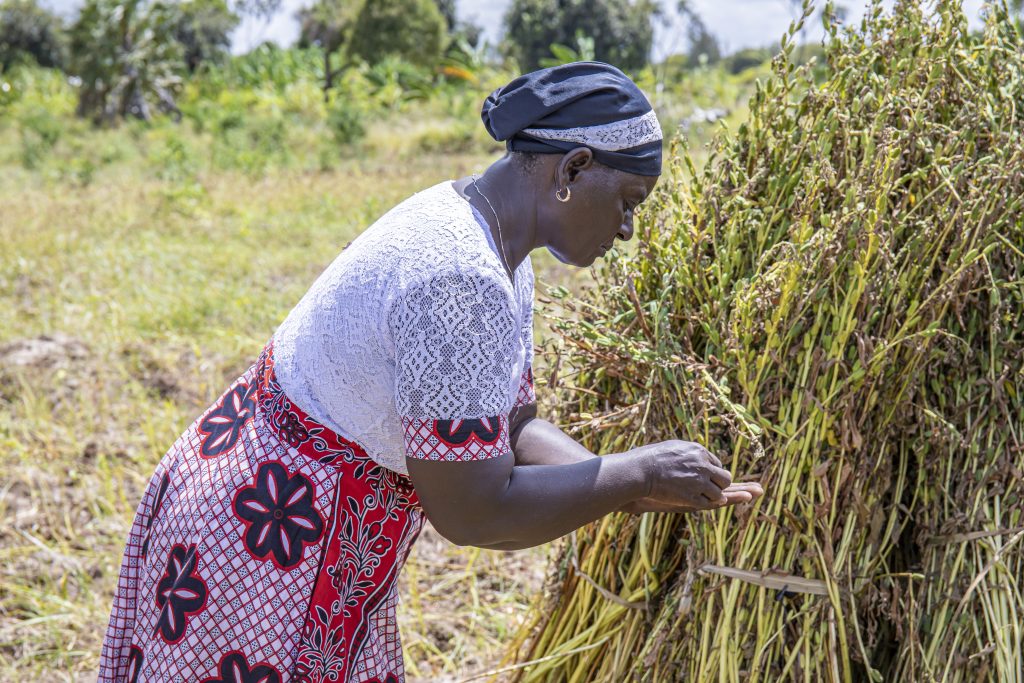
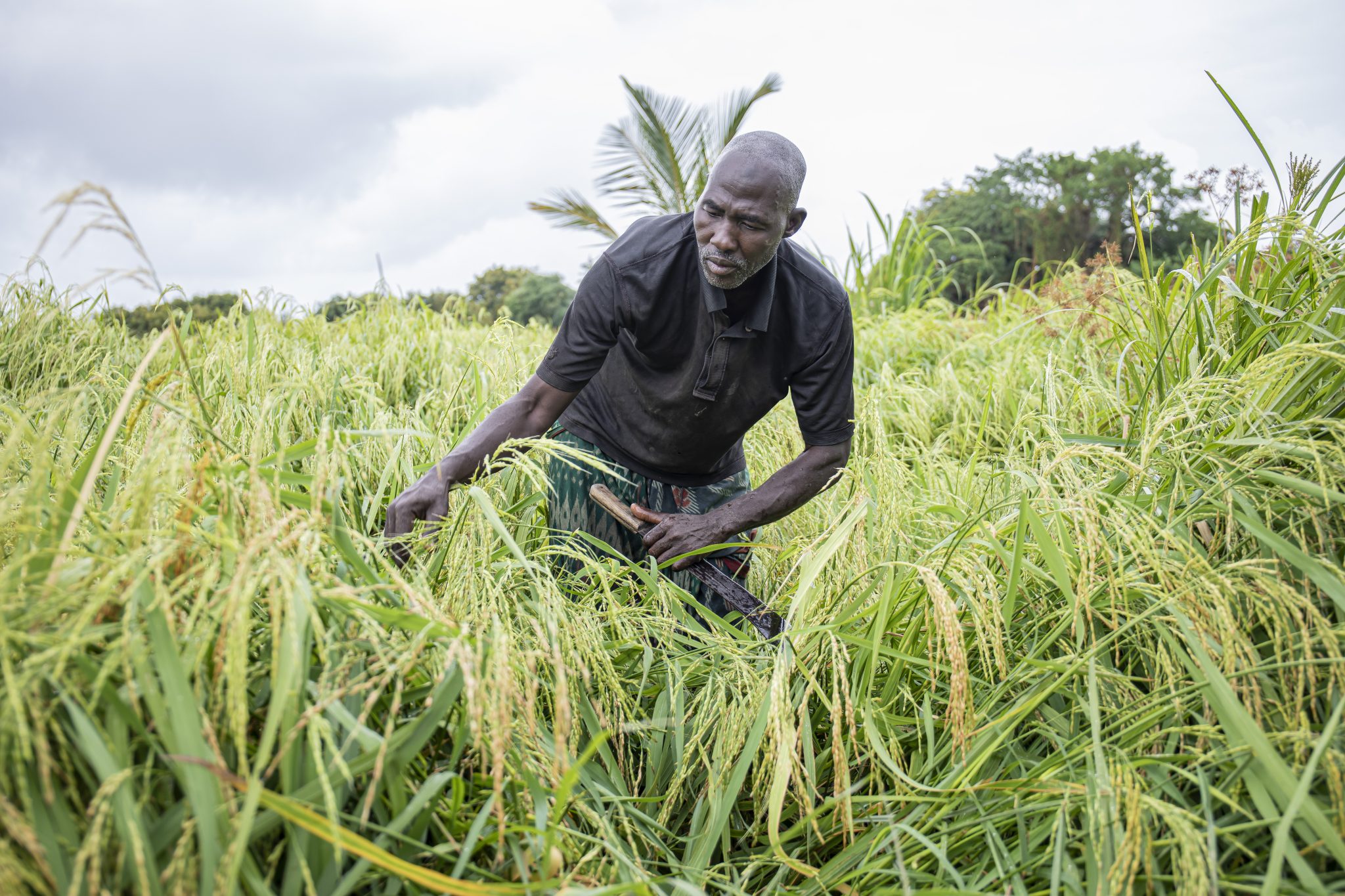
supply crops including cowpeas, green grams, rice, sesame seeds, sunflower, chilli, fish and meat. Salttolerant rice varieties have boosted production despite saltwater intrusion challenges.
“With the changing environment, farmers needed to
adapt,” says project field manager Milka Musyoki. “Chilli
farming is thriving in drier areas, sesame farming is
expanding, and new rice varieties are transforming
production.”
Mohammed Mashaka, a rice farmer from Ozi, confirms the impact: “Our greatest challenge was accessing seeds that could thrive under changing conditions. Through partnerships and training, we now have seeds that perform well in floods and saltwater.”
The Urgency Behind Success
This transformation couldn’t come soon enough.
Mapping in 2019 revealed that 123,000 of the Delta’s
130,000 hectares faced serious degradation. Climate
change drove this decline through severe floods and
droughts, creating conflicts as livestock influxes
occurred during dry periods.
“Whenever there’s prolonged drought, pastoralists
from neighbouring counties bring livestock to graze in
the Delta’s rich grasslands, leading to conflicts with
struggling farmers,” explains Said Nyara, chair of Lower
Tana Delta Conservancy.
Paul Matiku, Nature Kenya’s Executive Director,
emphasises the stakes: “Given the Delta’s international
significance as a biodiversity hotspot, urgent policy
development was essential. Conflicts were increasing
due to diminishing resources, yet this ecosystem has
enormous potential for tourism, fishing, agriculture
and conservation.”
A Model for the Future
The restoration builds on community-driven decision making through 55 village resource and land use
committees. Communities establish seed banks,
collecting local tree seeds during dry seasons for mass
planting when rains arrive.
Between 2019 and 2025, 24 policies were developed,
including climate change acts and forest policies for
Tana River and Lamu counties. The Delta remains
home to unique species like the Tana River red
colobus and Tana River crested mangabey, and hosts
over 340 bird species as a designated Important Bird
Area.
Islam’s optimism reflects a broader transformation.
The Tana Delta’s journey from degradation to
restoration proves that with community engagement,
scientific guidance and strategic investment, even our
most threatened ecosystems can recover and thrive.
Mercy Wanyama, a sesame farmer in Tana Delta -Nature Kenya © Nature Kenya


“The forests are healthier, and communities are guarding them like never before. Farmers are discovering the value in crops we never thought would thrive here.”
Islam Abdallah,Tana Delta habitant




Given the Delta’s international significance as a biodiversity hotspot, urgent policy development was essential. Conflicts were increasing due to diminishing resources, yet this ecosystem has enormous potential for tourism, fishing, agriculture and conservation.”
Paul Matiku, Nature Kenya’s Executive Director