Mixed Flock: Mark Sagan and Patricia Awing Balan
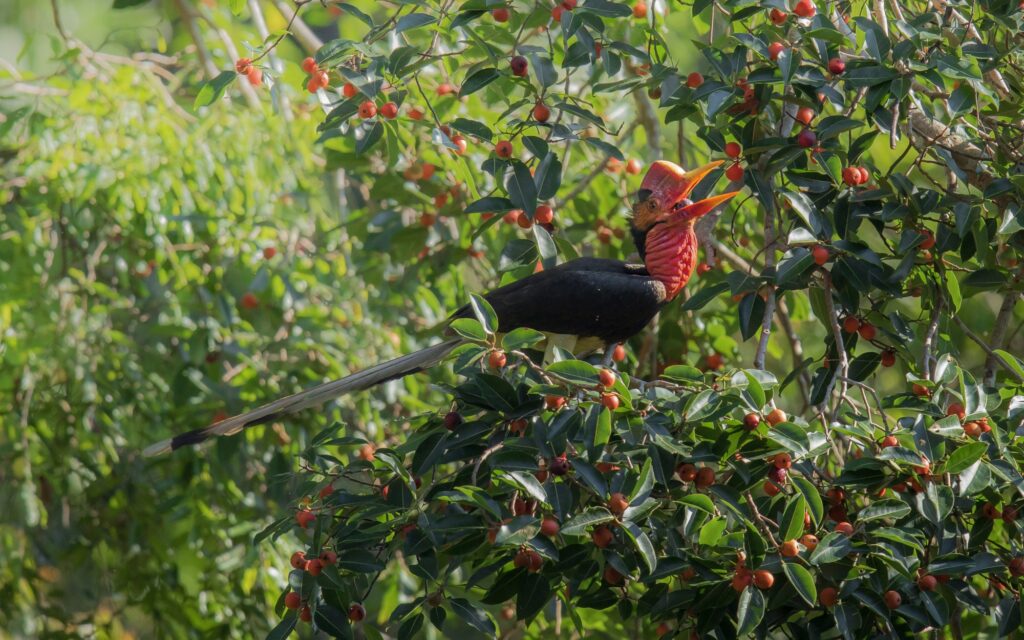
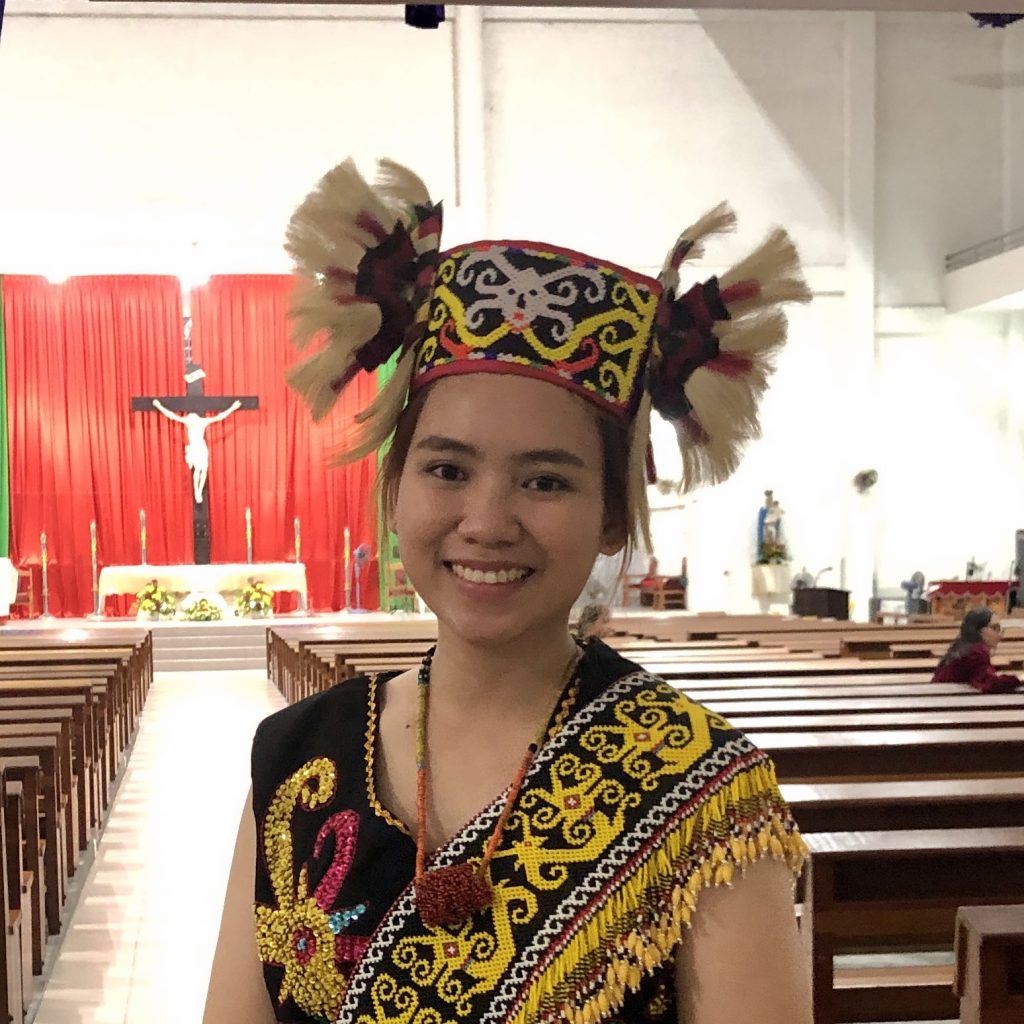
Mark Sagan and Patricia Awing Balan explain how Indigenous People and conservation come together in their work with our Partner the Malaysian Nature Society’s Kuching Branch.
In birding, a mixed flock can be the most exciting discovery. You never know which species will be found together, each with their own individual characters, ways of feeding, moving and acting, but part of a unified whole. Each bird has their own role to play in the group, forming an alliance that is stronger than the sum of its parts.
In this series, we celebrate the diversity of our BirdLife flock by interviewing individuals who add their character and perspective to our global partnership.
Preserving Indigenous connections with Mark Sagan and Patricia Awing Balan
Mark Sagan and Patricia Awing Balan are Indigenous Kenyah People working as Project Officers at the Malaysian Nature Society Kuching Branch.
Birds inspire us, no matter who we are or where we are in the world. They have done for so long that we have deep-rooted cultural connections with numerous avian groups and species. Indigenous Peoples can have some of the strongest ties with their local birds, as well as vital knowledge on how to conserve them – as we explored in our previous Mixed Flock interview, this means their voices must be recognised.
Mark Sagan and Patricia Awing Balan are from Sarawak, one of two Malaysian states on the island of Borneo. This place is home to numerous Indigenous Peoples – both Mark and Patricia belong to the Kenyah group. As part of their work on the Usun Apau National Park Helmeted Hornbill Project, they connect with the local communities that live within this totally protected area.
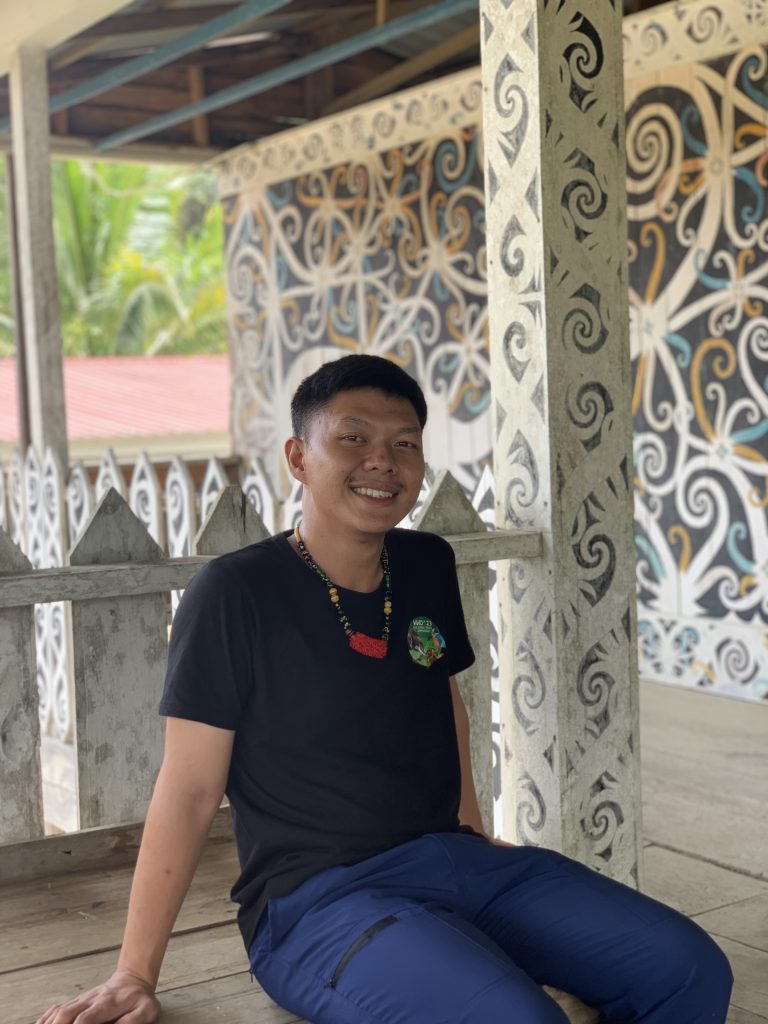
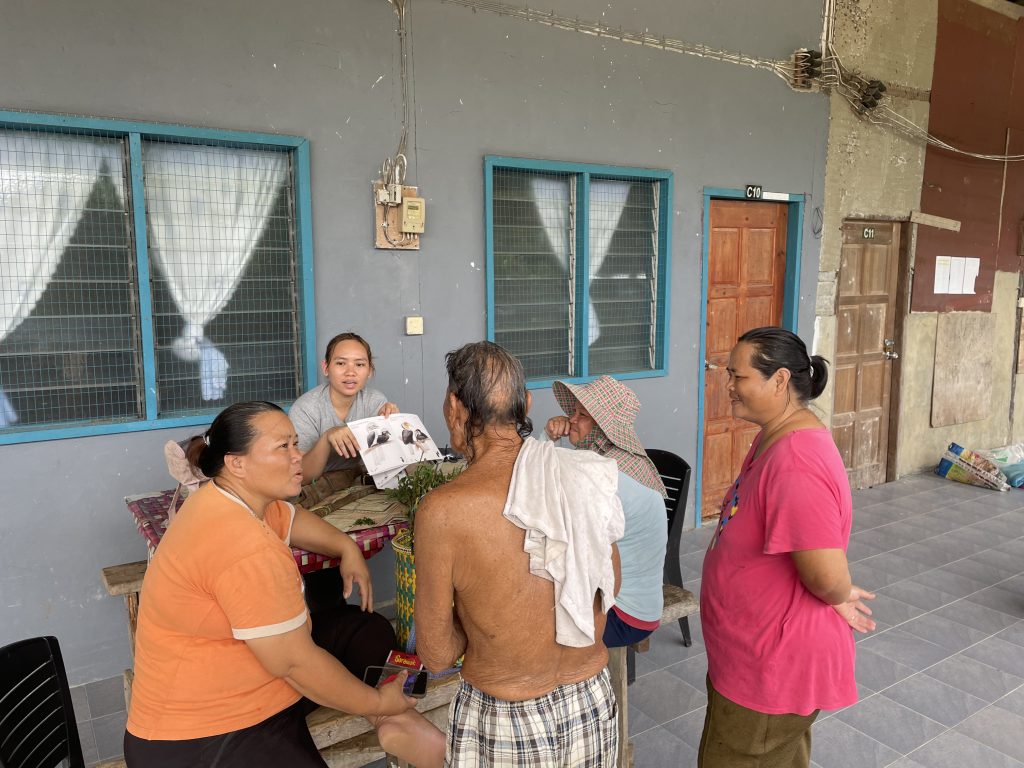
Their fieldwork includes surveying as well as community interviews and CEPA – Communication, Education and Public Awareness – activities. As Patricia explains, “It’s not just going into the field to look for or to identify the hornbill species in that area, we also engage local people. Being a Kenyah is a great advantage, because we can communicate, we can build bonds and trust among the community with the project itself.”
While these connections are new, there are long and deeply established ties between these people and their native avifauna. Traditional garments are adorned with animal parts, including hornbill feathers. “Almost all Orang Ulu [Indigenous Bornean] tribes see hornbills as aristocratic birds,” Mark states. “They represent honour and leadership.”
Traditional garments are usually adorned with animal parts, including those of Hornbills – mainly in headgear. For example, Helmeted Hornbill feathers are used regularly, along with those from other species such as Great Argus. Some tribes also use body parts for belief-based medicine or spirit-warding. But these people are not simply exploiting birds and natural resources. They revere these species so much that their wooden longhouse homes are adorned with carvings of hornbills representing the ‘king of birds’.
However, some of the methods used in conservation are unfamiliar to these local communities, which can pose challenges. Relying on Borneo’s forests as their home, for food supply and so much more, convincing these people that their local hornbills represent their way of life can take a personal perspective. Patricia’s experience embodies such a heartfelt connection.
“I still remember during my childhood, we could still see Rhinoceros Hornbills flying over our kampong (village) area. As time passed by and I learnt about birds, I knew it was not just any bird, but it was a hornbill. And I noticed I didn’t hear these species near my village anymore, so I read more and it sparked my interest. I asked my parents about how we use hornbills and then I realised how important it was conserving these birds, and the Critically Endangered Helmeted Hornbill.”
Her recollections strike gold in recognising the importance of local people’s knowledge. Mark and Patricia agree on the approach: “We try to get their opinions by engaging with them, learning about their local knowledge of hornbills, not pushing our opinion on to them. It’s not us telling them things; we work together. It’s dialogue, not a monologue, with understanding at its core.”
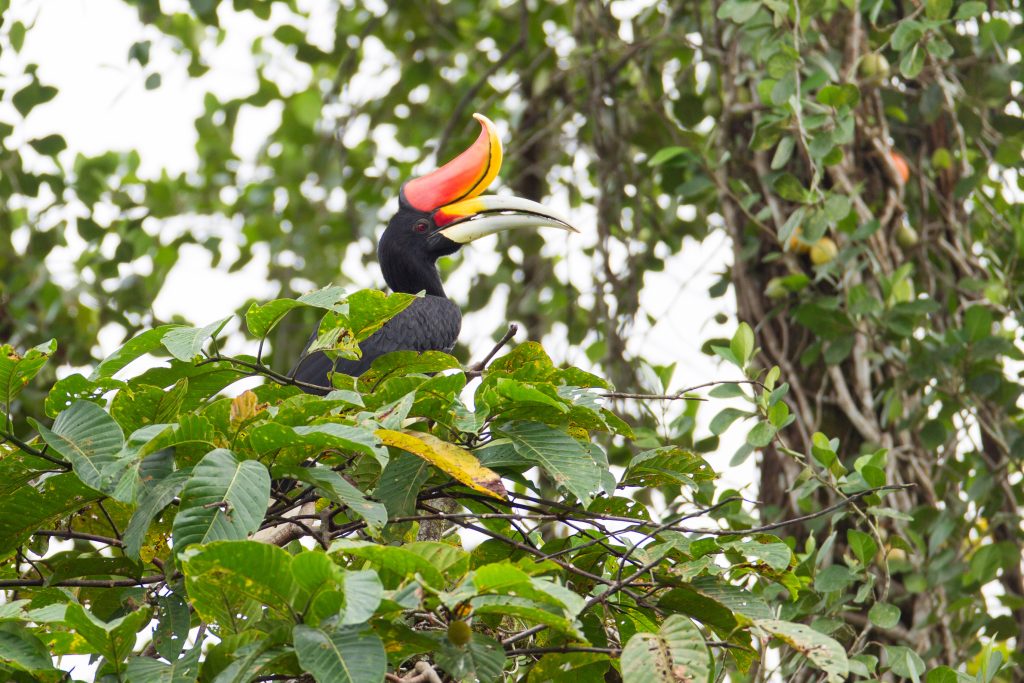
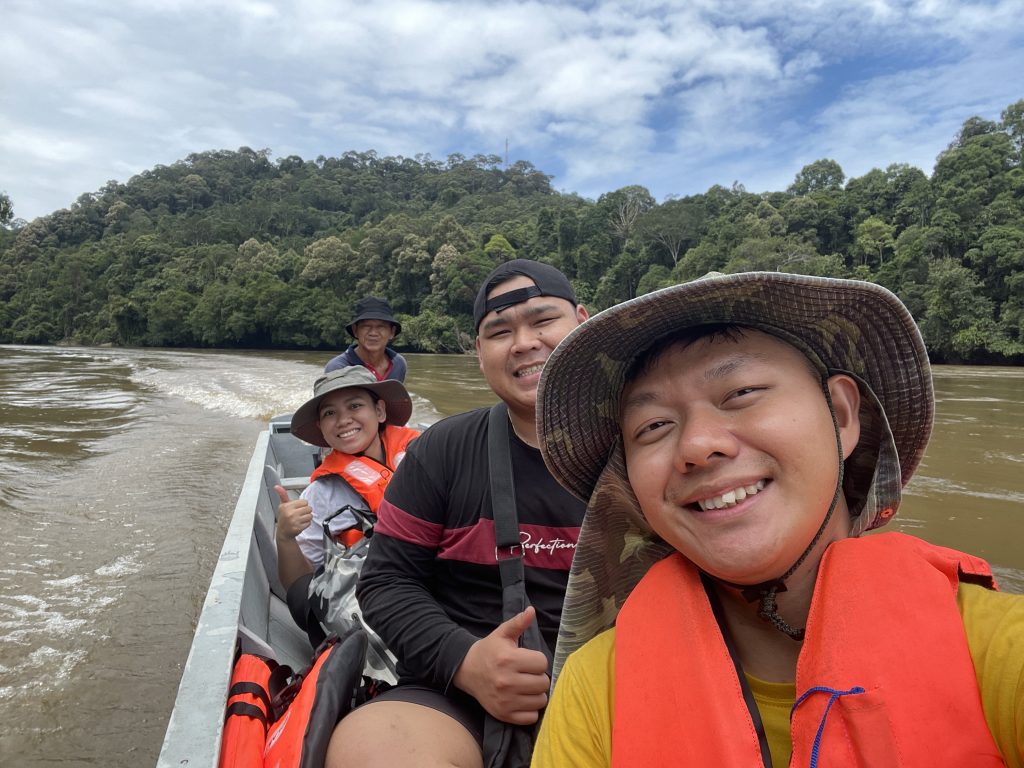
The team must seek prior permission from elders before going to any villages. The head of the community will be contacted in advance, usually by Mark. “It actually helps the community to understand that there’s going to be a local team coming to conduct interviews and learn about opinions or knowledge on Hornbills. We are as respectful as possible, so we are coming to share our expertise while understanding them as well. We must consider their livelihoods and relate that to culture and conservation.”
For many communities, working with an NGO like the Malaysian Nature Society was a new experience. With Mark and Patricia’s Kenyah roots, an initial connection has been found and created a warmth in their fellow Indigenous People’s hearts so that they are not afraid to see the pair again.
Now there are connections not just with the birds, but with people and conservation. Upon return visits to the villages, the people have told Mark and Patricia they have missed working with them, and now regularly share news of any hornbill sightings.
There is learning on both sides. Community interviews are no longer conducted in group settings, so individuals do not feel pressured by other community members listening to their answers. And when locals ask “Why do these two young people come to this village? Why do you want to do this?”, it is with a curiosity and desire for enhanced awareness. They are open to new ideas, with elders being supportive and helping to facilitate engagement and effective communication.
Mark suggests some community members prefer working with conservation despite having to learn new skills, as it means they don’t have to move to urban areas. “That strikes me, because the communities in our survey sites are open to conservation. That’s why it’s another way of retaining rural people,” he explains.
That provides benefits such as Mark and Patricia being able to influence local peoples’ use of expanding infrastructure such as internet connectivity in positive ways. They now receive updates via WhatsApp, for example. But it also means the Indigenous People can form new or renewed connections with their local birds and nature.
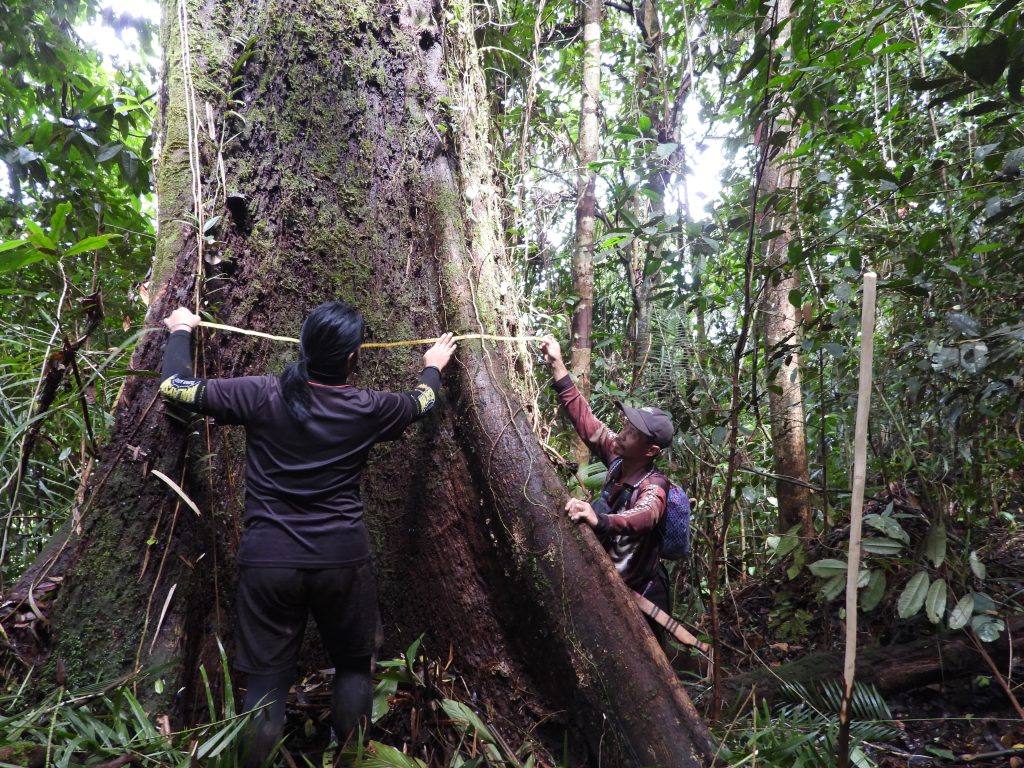
These ties are essential if we are to conserve birds effectively. There is local pride in Mark and Patricia as local people who are educated but have returned to their roots to preserve both nature and tradition. Patricia’s energy and enthusiasm is especially evident: “To be honest, it’s thrilling for myself,” she confesses, “because it’s my first time engaging with local communities and telling them about my passion for hornbills.”
Such verve is inspiring. And as Mark explains: “Sarawak is the land of the Hornbills. That gives us the responsibility to do something for them, since our culture is closely tied to the hornbills” Both he and Patricia are at the forefront of bringing together local knowledge, communities and conservation to form strong bonds.
Mark Sagan and Patricia Awing Balan were interviewed by John Fuller and Ariana Loehr.
“That strikes me, because the communities in our survey sites are open to conservation.”
MARK SAGAN
At BirdLife, we are incredibly proud that these local voices and actions are at the forefront of our work. Across our entire mixed flock spread all around the world, we share knowledge, connections and passion to conserve birds and all life, everywhere.