Rangelands and pastoralists: central to life

As the International Year of Rangelands and Pastoralists 2026 unfolds, the global importance of grasslands comes into focus, revealing what is at stake for birds and people, and how community-led conservation can secure their future.
By Charlie Malcolm-McKay and Javiera Perez Ribalta
At dawn, the Driefontein Grasslands open quietly. Mist lifts from shallow wetlands in central Zimbabwe. The land looks gentle, almost understated, yet it carries extraordinary weight.
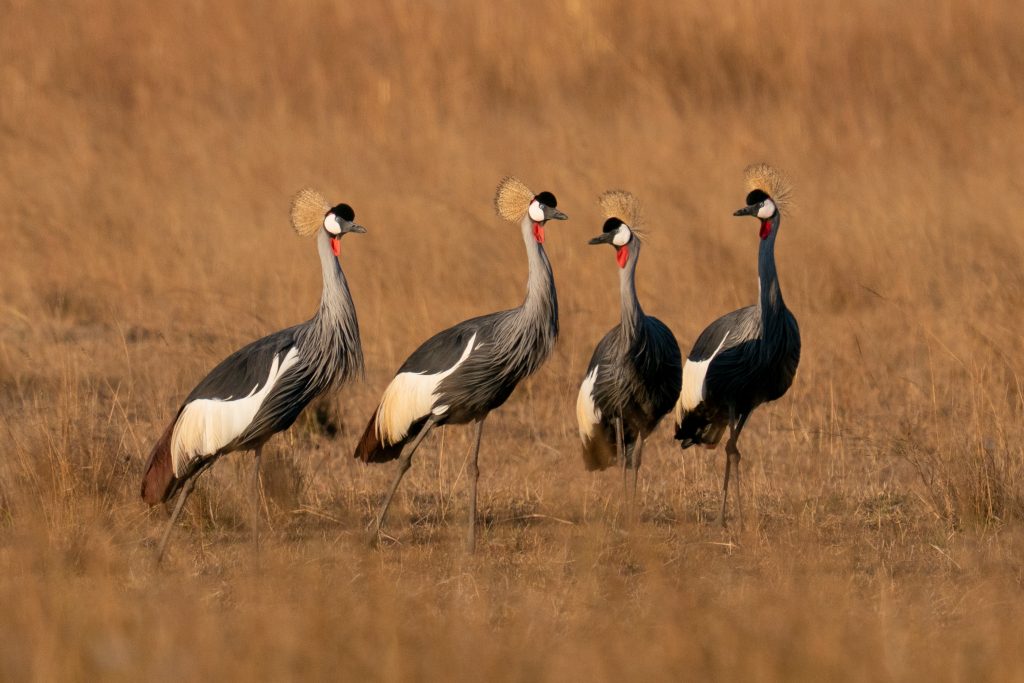
This is a globally important grassland and wetland landscape, recognised as a Ramsar site and an Important Bird & Biodiversity Area. Wattled Cranes step carefully through the water. Grey Crowned Cranes follow. Their return is not accidental. It is the result of patient restoration, community trust and decades of work by BirdLife Zimbabwe and local people who know this land deeply.
Places like Driefontein remind us why the International Year of Rangelands and Pastoralists (IYRP) 2026 matters.
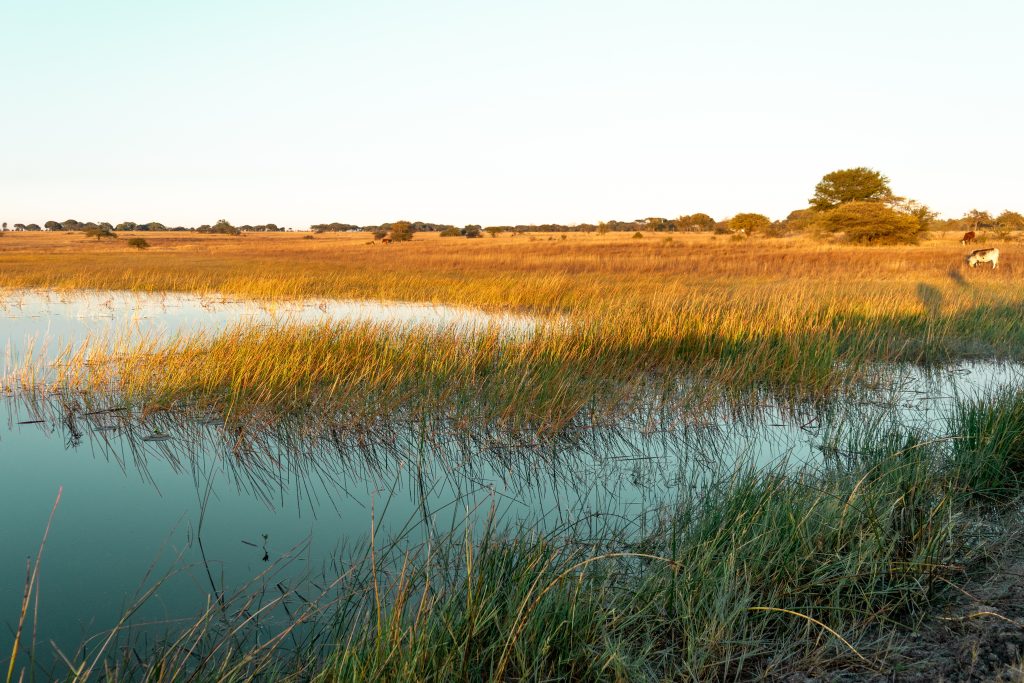
Header Image: Local pastoralist at the Driefontein Grasslands. © Javiera Perez Ribalta
The global importance of rangelands and pastoral systems
IYRP 2026 is a UN-backed global observance designed to elevate understanding and appreciation of rangelands and pastoralist systems worldwide. These landscapes, grasslands, steppes and pastoral territories stretch across continents. They are among the most biodiverse yet threatened ecosystems on Earth, supporting species found nowhere else while underpinning livelihoods for millions of people.
Rangelands deliver far more than meets the eye. They store carbon. They regulate water. They produce food. They hold deep cultural meaning for pastoralist communities whose knowledge has shaped these systems over generations.
Yet despite their global importance, grasslands are frequently undervalued in policy and investment. Too often they are viewed as “empty” or “underused” land. The result is conversion to crops, inappropriate land uses, fragmentation and the steady loss of ecosystem services on which people and nature depend.
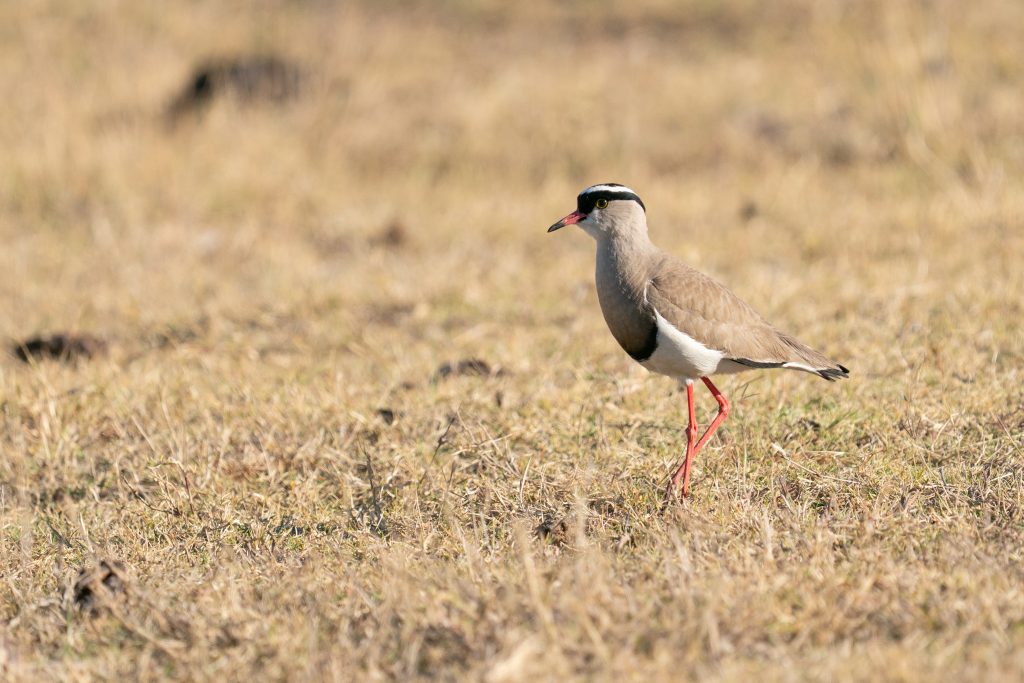
For birds, the stakes are high. Grasslands and associated wetlands provide critical habitat for threatened and migratory species across major flyways. Cranes, bustards, raptors and grassland specialists rely on these open landscapes for breeding, feeding and migration stopovers. When grasslands disappear or degrade, entire populations are put at risk.
Conserving rangelands is therefore not only about landscapes. It is about safeguarding the species that depend on them and the ecological processes that keep those systems functioning.
BirdLife’s role in grassland and rangeland conservation
Across the world, the BirdLife Partnership works alongside local communities, producers, governments and other NGOs to protect, restore and sustainably manage grasslands.
Our approach is practical and people-centred. We champion nature-based solutions in grassland ecosystems that deliver measurable benefits for biodiversity, livelihoods and climate resilience. We focus on working landscapes, recognising that conservation and production must go hand in hand.
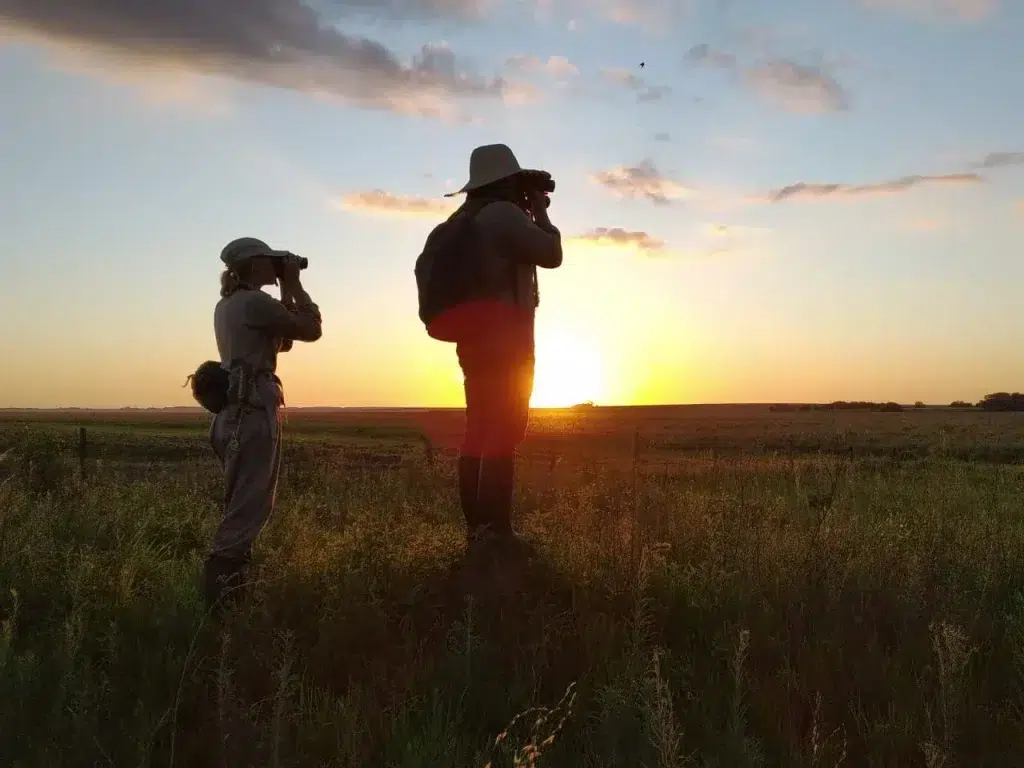
Alianza del Pastizal (Grasslands Alliance), South America
For more than 17 years, BirdLife Partners in Argentina, Brazil, Paraguay and Uruguay have collaborated through the Alianza del Pastizal (the Grassland Alliance), a regional effort to conserve natural grasslands across the Southern Cone of South America.
The Alliance focuses on sustainable ranching, biodiversity monitoring, ecosystem services and economic incentives that align conservation with production. This is not about setting land aside and walking away. It is about making grasslands work for nature and for people.
“When we care for the grasslands, we care for the people who live from them —and for the climate that depends on them. Ranchers are not part of the problem; they are key to the solution.” explains Natalie Dudinszky, Biodiversity Conservation Manager (Grasslands) at BirdLife International.
Key achievements include hundreds of thousands of hectares under sustainable management, the development of protocols for environmentally responsible meat production, and practical tools such as a Grassland Conservation Index to guide land-use decisions. Together, these efforts demonstrate that healthy grasslands can remain productive while supporting birds and other wildlife.
Altyn Dala Conservation Initiative – Kazakhstan’s Eurasian Steppe
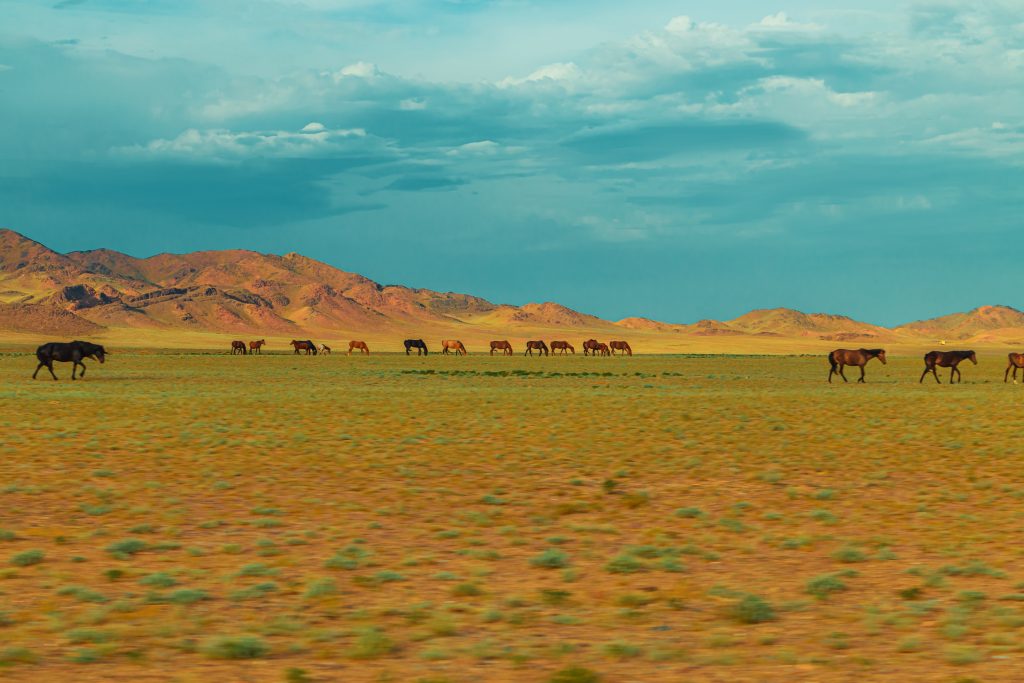
On a vastly different scale, the Altyn Dala Conservation Initiative has helped transform the future of one of the world’s largest grassland landscapes: the Kazakh steppe.
This long-standing multinational partnership, led locally by our national Partner ACBK with support from our UK Partner RSPB, government agencies and NGOs, has delivered outcomes once thought impossible. Saiga antelope populations have recovered from near-extinction to millions of individuals. Protected areas now span tens of millions of hectares.
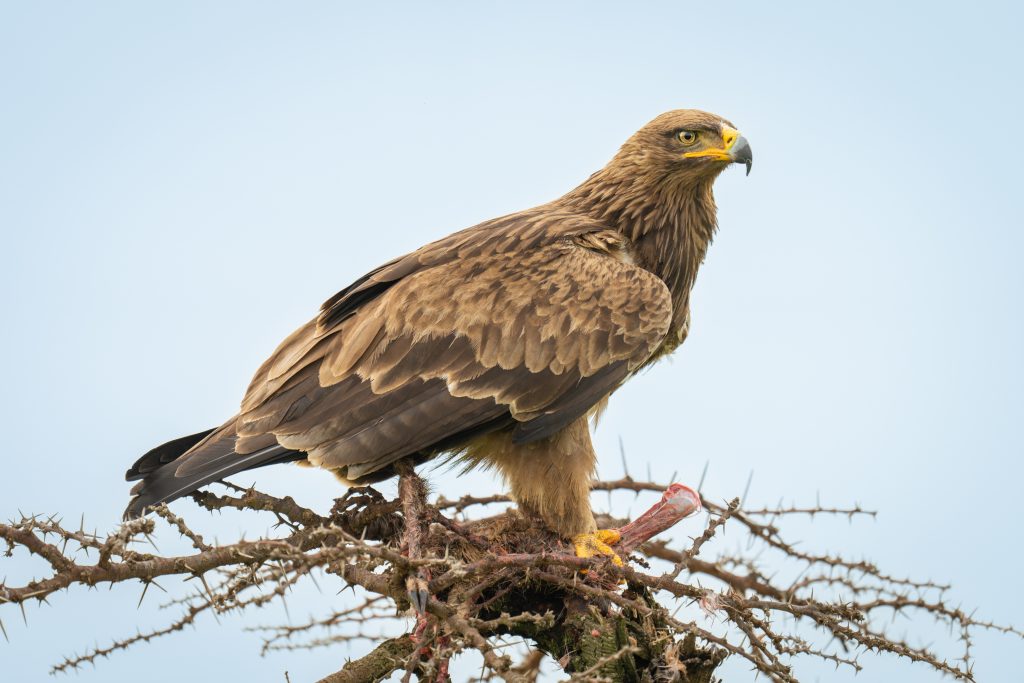
The Initiative has also advanced conservation for key species such as the Steppe Eagle and Sociable Lapwing, alongside Kulan (a subspecies of Asiatic Wild Ass) and Przewalski’s Horse. Its impact has been recognised globally, including winning The Earthshot Prize, a powerful signal of what sustained, collaborative grassland conservation can achieve.
Driefontein Grasslands – Zimbabwe
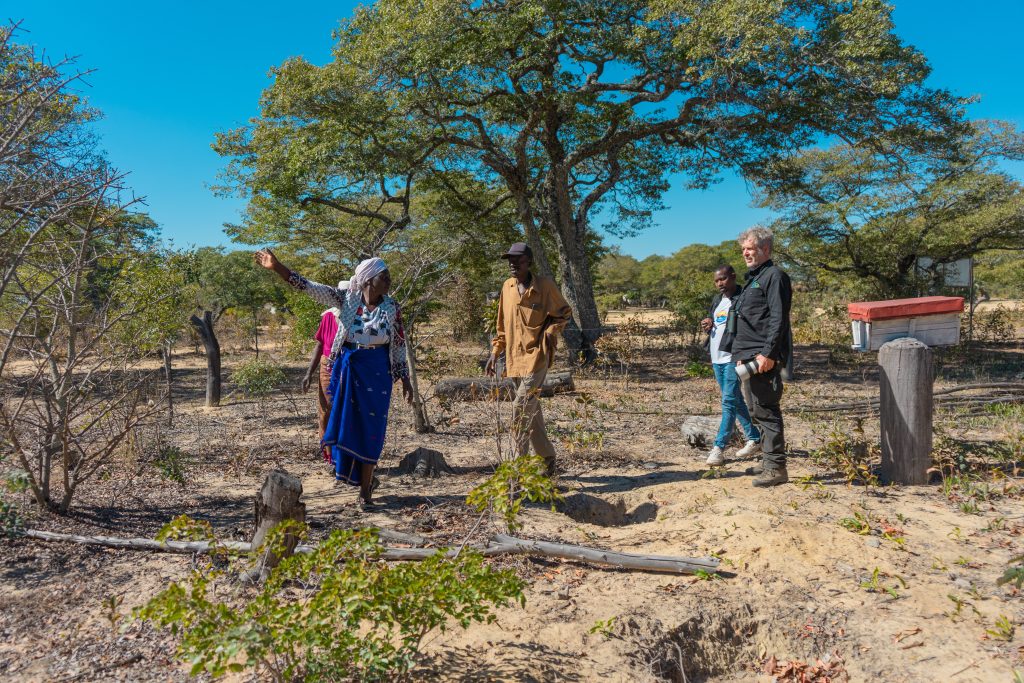
Back in Zimbabwe, the story at Driefontein is equally compelling.
For two decades, BirdLife Zimbabwe has combined wetland and grassland restoration with deep community engagement. Recent projects, including work supported by the Darwin Initiative, focus on restoring wetlands, supporting sustainable grazing and agriculture, and developing alternative livelihoods such as beekeeping, poultry and piggery. These activities reduce pressure on critical habitats while strengthening household incomes.
Community training in sustainable wetland and fire management, participatory monitoring and habitat protection has led to visible ecological gains, such as breeding cranes returning to restored wetlands.
Seizing the moment: BirdLife and the IYRP
We are treating this year as a global rallying point. We are seizing this momentum to shift the narrative around grasslands, ensuring they recognized as the vibrant, carbon-storing, life-sustaining ecosystems they truly are. Specifically, the BirdLife Partnership is stepping up to:
- Elevate the narrative: We will rigorously campaign to raise awareness of the critical role grasslands play for birds, climate resilience and people.
- Amplify local voices: We will showcase Partner-led actions, placing a spotlight on the Indigenous and local pastoralist knowledge that is the backbone of sustainable land management.
- Unlock resources: We aim to catalyse significant funding for grassland conservation action and nature-based solutions.
- Forge stronger alliances: We are strengthening collaborations with key global networks to scale up our impact across continents.
The initiatives highlighted above are merely a glimpse into our work. While these case studies offer powerful examples of success, they represent only a fraction of what the BirdLife Partnership is achieving.
Across every region, our Partners are already in motion. From the prairies protected by Birds Canada and Audubon in the Americas, to the steppes restored by Sabuko in Georgia and our partner WSCC in Mongolia, conservationists are working alongside communities to prove that when grasslands are cared for, birds thrive and landscapes endure.
Over the coming months, we will bring you many more of these stories from every corner of the globe. The full story of our world’s grasslands is vast, and we are only just beginning to tell it.