Mentoring the next generation of Africa’s Environmental Leaders
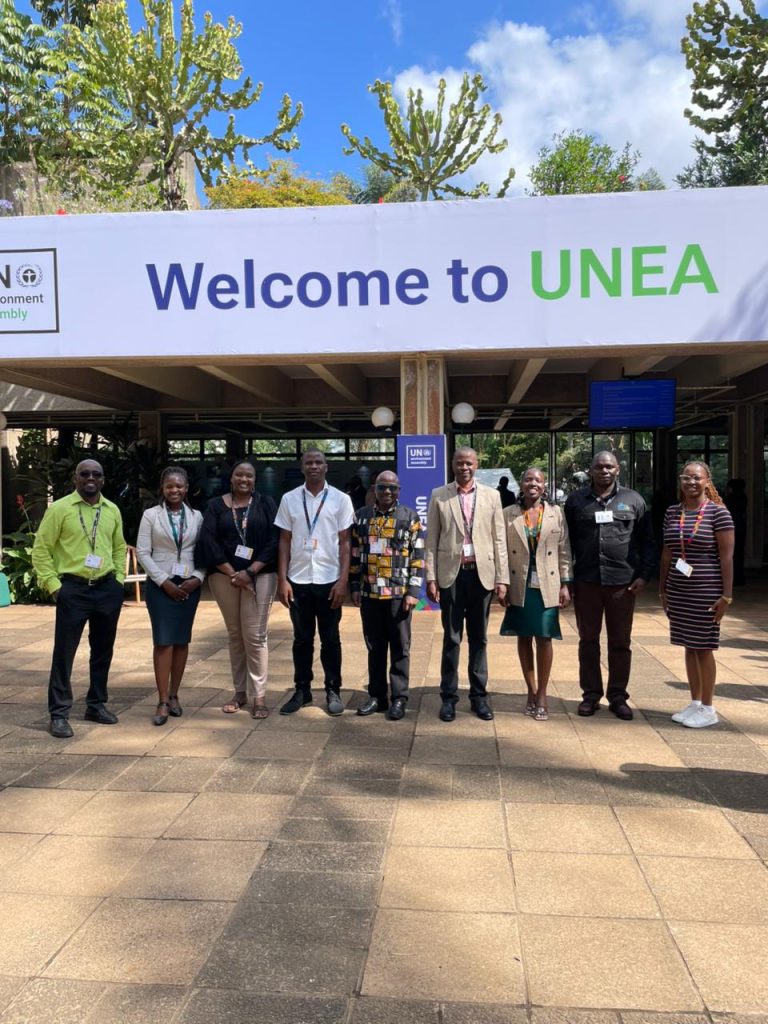
The 7th session of the United Nations Environment Assembly (UNEA 7) took place from 8th to 12th December 2025 in Nairobi, Kenya, attended by more than 5,600 people from 190 countries.
Themed, “Advancing sustainable solutions for a resilient planet”, UNEA 7 highlighted the need to implement sustainable solutions for a safer and resilient planet considering the triple planetary crisis of biodiversity loss, climate change, and pollution.
Established in 2012, UNEA is the highest decision-making body on environmental issues globally. It also serves as the governing body of the United Nations Environment Programme (UNEP). UNEA has held six sessions since 2014, which have passed 90 resolutions on critical issues including biodiversity and climate change among others. Some of the key topics discussed at UNEA 7 included synergies within Multilateral Environmental Agreements (MEAs), safeguarding coral resources, management of chemicals and waste, sustainable use of Artificial Intelligence (AI), protection of glaciers, and international cooperation to combat wildfires.
As part of its participation in Multilateral Environmental processes, BirdLife has been at the forefront of helping push various agendas at UNEA, including on biodiversity protection, climate, ecosystems, Nature-based Solutions (NbS), and combating illegal wildlife trade. Further, BirdLife continues to support capacity building of young Africans who get the opportunity to experience global policy and law making by participating at UNEA as part of the BirdLife delegation.
Prior to the official start of UNEA 7, BirdLife International in collaboration with Wetlands International, Nature Kenya, African Wildlife Foundation and Jane Goodall Institute hosted a high level UNEA side event on 4th December 2025. The event titled Leveraging Nature-based Solutions (NbS) for a Resilient Africa was attended by over 80 participants and raised visibility about NbS initiatives being implemented across the continent, and their contribution towards building climate resilience and enhance livelihoods of communities while protecting biodiversity.
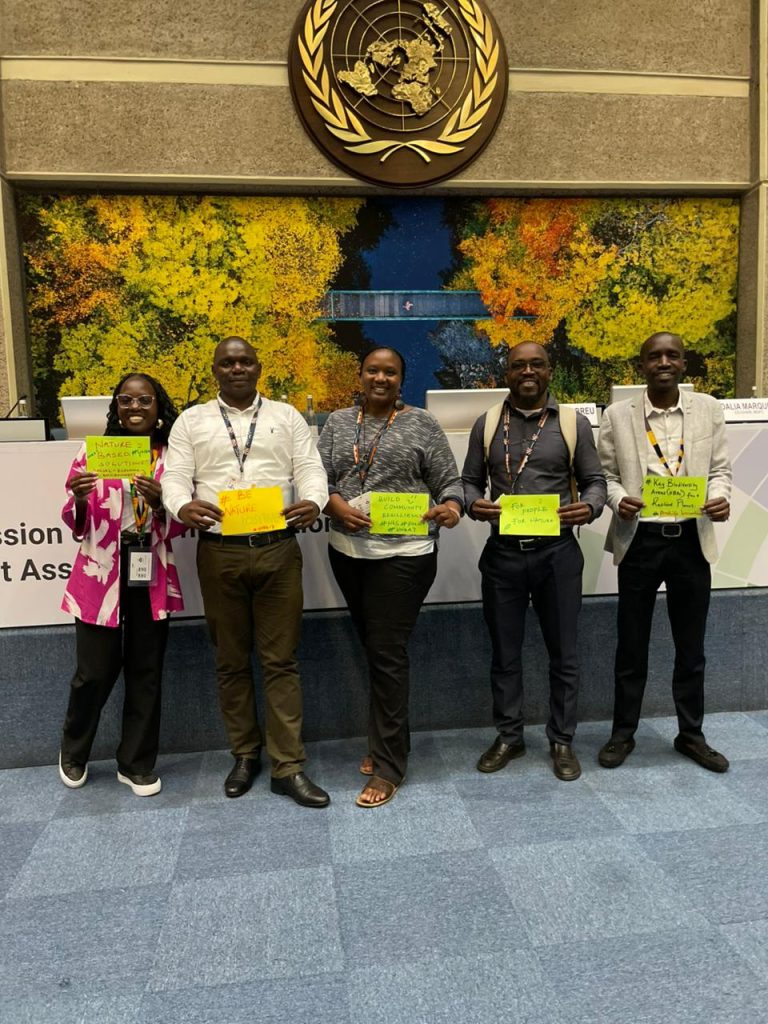
For Faith Obara, Grace Njoki, Brian Awuoda, University of Nairobi (UoN) scholars pursuing Master of Arts (MA) degrees in Environmental Policy and Law, participating at UNEA 7 as members of the BirdLife delegation was an eye-opening experience.
Faith Obara who is pursuing a MA in Environmental Law at the UoN is also a Social Scientist at the Kenya Forestry Research Institute (KEFRI) where she specializes in gender and livelihood and research to shape forestry policies that work for both people and nature. Her experience at the Youth Environment Assembly allowed her to interact with fellow young leaders, in articulating a shared vision for a sustainable future. In addition, participation in the various side events and negotiations provided a platform for Faith to share research findings on socio-economic forestry policies, while deepening understanding on how international law shapes national environmental strategies.
“Environmental sustainability is not just a biological target; it is a socio-economic imperative that requires inclusive governance and intergenerational courage”, she highlights.
For Grace Njoki is pursuing an MA in Environmental Policy. She is also the CEO and Co-Founder of Ardena Consulting Limited, a Nairobi-based ESG automation and advisory firm. Majoring on environmental governance, Grace works focusses on translating global environmental commitments into actionable strategies for African institutions.
As part of UNEA 7, Grace attended various sessions including a critical side event on carbon credit. Her experience provided firsthand insight into multilateral environmental negotiations, enhancing capacity to bridge global policy frameworks with regional implementation realities, thus enabling her ability to design Environmental and Social Governance solutions that are both globally aligned and locally relevant.
“Addressing today’s environmental crises requires integrated climate and nature solutions, stronger accountability through transparent and credible systems, and a clear focus on equity. The real test of global environmental governance isn’t what gets negotiated in conference rooms; it’s whether those commitments create measurable impact for the ecosystems and communities that are affected by climate and nature crises”, she says.
Brian Awuonda, an Environmental Lawyer and Advocate of the High Court of Kenya undertaking an MA in Environmental Law at UoN also participated at UNEA 7. Brian is passionate about using legal and policy tools to advance climate action, protect ecosystems, and promote intergenerational equity. As part of UNEA 7, Brian attended various sessions including tracking two key resolutions namely: on the inclusion of children and youth in environmental action, and on integrating Artificial Intelligence (AI) in climate and environmental action.
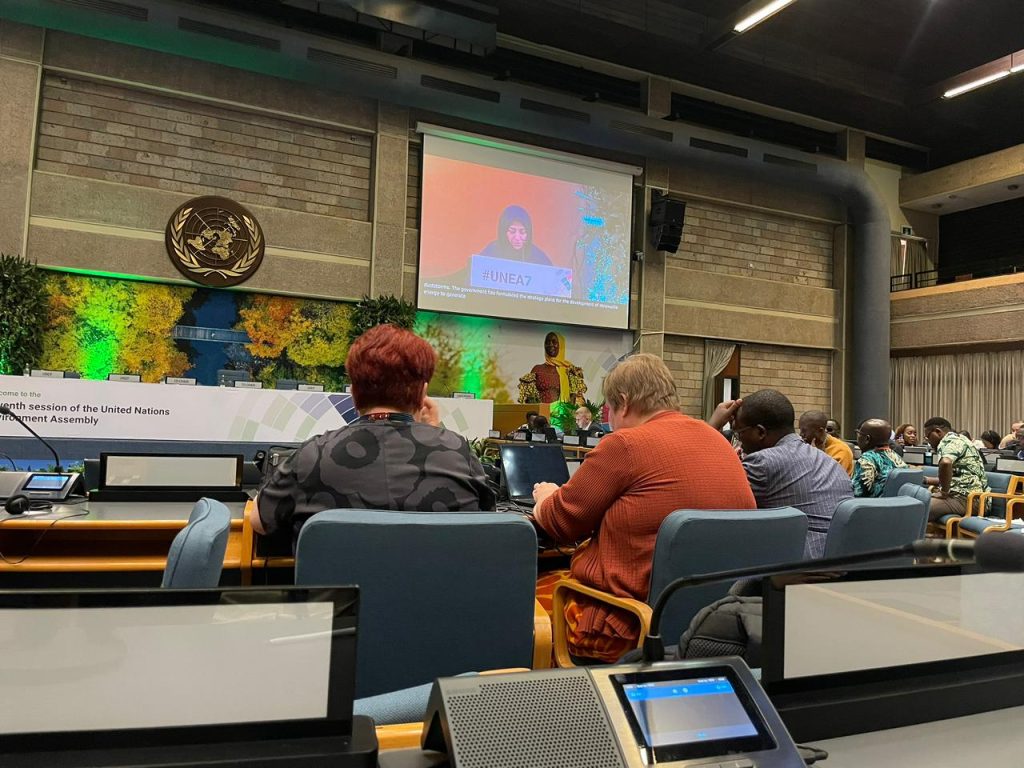
His experience deepened understanding of international environmental law-making processes, the political dynamics that influence global environmental decisions, and the practical challenges of implementation, which will enable effective contribution to environmental governance at both national and international levels.
“Climate justice begins when the law holds governments and corporations accountable for environmental harm”, he emphasizes.
With the world facing a nature and climate crises, the scholars acknowledge that there is need to put in place strong, transparent, all-inclusive, and enforceable systems to address these challenges. Equally important is the need to include the youth, and local communities in critical decision-making processes.
Dr. Elvin Nyukuri, a senior lecturer in Environmental Policy was also excited to see students begin transition from class to experiencing policy formulation first hand.
“We thank BirdLife for the opportunity to contribute to the diverse voices at UNEA 7, with a shared commitment to environmental action. As a delegate, I valued the open dialogue, evidence-based discussions, and the strong sense of urgency to translate ambition into impact”, she said.
“UNEA plays a critical role in global environmental governance. By partnering with local universities, we are providing African youth with a pioneering opportunity to engage first-hand with international law and policymaking. This programme is designed to build expertise necessary to apply legal and policy levers to address the biodiversity and climate crisis”, concludes Ken Mwathe, Policy, Climate, and Communications lead for Africa at BirdLife International.
Header Image: BirdLife team and the scholars on the side of the opening session of UNEA 7

“We thank BirdLife for the opportunity to contribute to the diverse voices at UNEA 7, with a shared commitment to environmental action.”
Dr. Elvin Nyukuri, Senior Lecturer, Environmental Policy, University of Nairobi

“Addressing today’s environmental crises requires integrated climate and nature solutions, stronger accountability through transparent and credible systems, and a clear focus on equity. ”
Grace Njoki, MA student in Environmental Policy, University of Nairobi

“Climate justice begins when the law holds governments and corporations accountable for environmental harm.”
Brian Awuoda , MA student in Environmental Law, University of Nairobi

“Environmental sustainability is not just a biological target; it is a socio-economic imperative that requires inclusive governance and intergenerational courage.”
Faith Obara, MA student in Environmental Law, University of Nairobi