Want to support communities? Conservation can help

When we establish safe havens for threatened bird species can create new sustainable livelihoods, improve access to food and water, and build climate resilience. Here's how we do it.
Picture your hometown. You’ll see your home, your friends and buildings that you frequent. But along with that picture, you’ll think about the trees, hills and yes, even birds. If you swap out any of the plants and animals, change the pines to palms, bustards to toucans, it no longer represents your hometown. Our communities are tied to their environments.
In effect, the success of nature is also linked with the success of communities. As storms along Asia’s coastlines become stronger, and people face uncertain economies, nature helps to block powerful winds and provides people with food. Simply put, nature builds resilience in our communities. By supporting the establishment of safe havens for birds that protect vital forests, we can improve the resilience of birds, people and the climate, together.
Rural communities have already endured disproportionate damage from the decline in plants and animals. Areas with higher deforestation rates are more susceptible to flooding, landslides and unreliable water supplies. These natural disasters have been made worse by climate change. And if deforestation continues to remove nature’s carbon sinks, this will only accelerate.
As pollinators and seed dispersers, birds play an active role in preventing further deforestation. Yet, in addition to habitat loss, high levels of poaching for the bird trade have led many bird species into decline. So, our solutions for communities and their environments must also protect these vital bird species.
Right now, BirdLife teams are in Samarkand, Uzbekistan at the CITES CoP to draw attention to the international bird trade, and showcase examples where protections have benefited birds and communities.
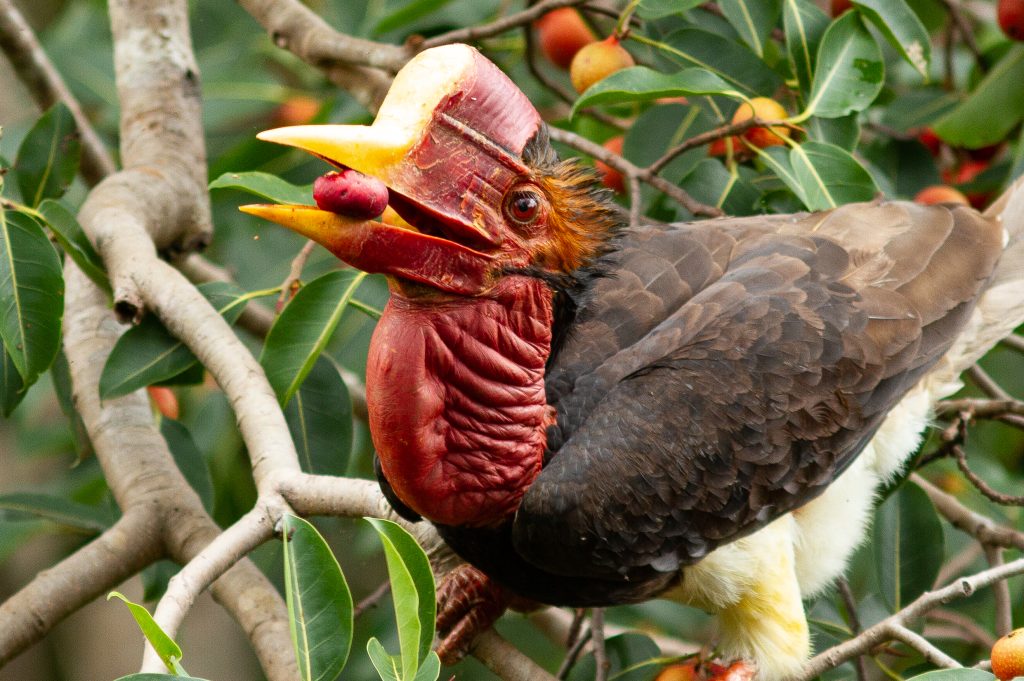
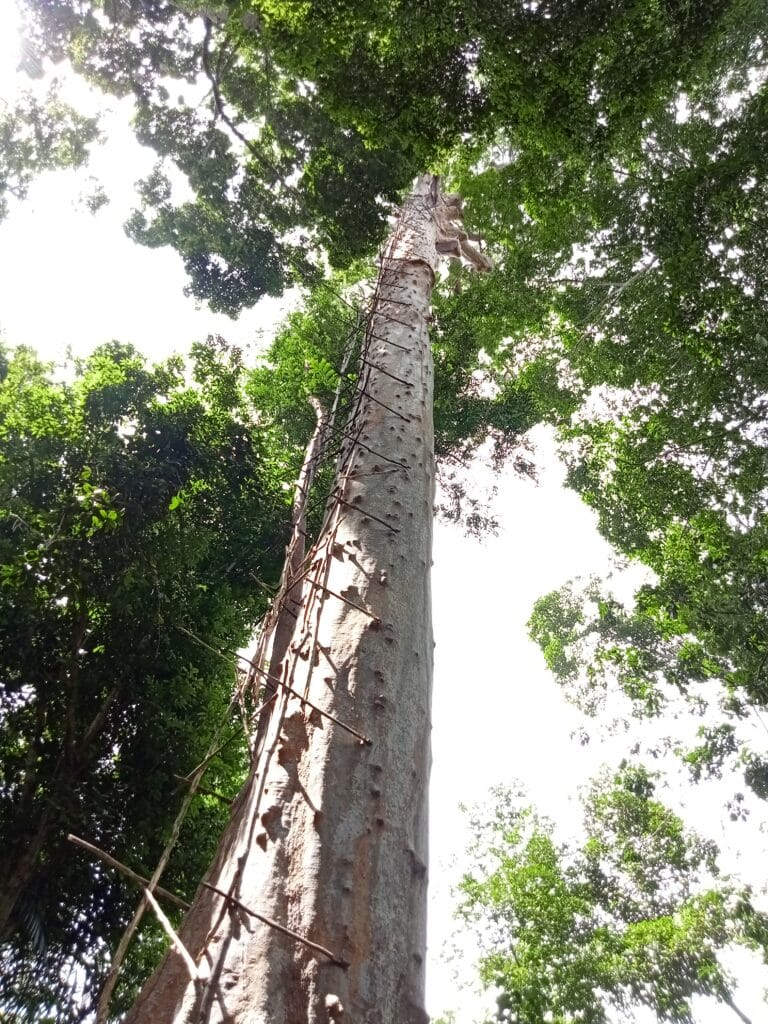
One such example comes from the forests of Belum Temenggor. Here, the Malaysian Nature Society (our Partner in Malaysia) has worked with indigenous communities to protect incredible hornbill species like the Critically Endangered Helmeted Hornbill. A community of indigenous Orang Asli protect old growth rainforests where honeybees produce high value honey. In turn, the forest is protected for the hornbills. Through this program, the sale of honey and wax has brought income to 22 women in the village, that would otherwise not have a source of income.
Burung Indonesia (our Partner in Indonesia), has also created safe havens for birds across several locations by working hand in hand with village governments. On Sangihe island, teams lowered deforestation rates by introducing permaculture programs that improved food security for 133 people, protected 21 watersheds and stabilised population numbers of the Critically Endangered Cerulean Flycatcher. On Java, Burung has also improved the outlook for widely traded songbirds while creating new jobs in tourism and sustainable agriculture. These new jobs disincentivize poaching and have resulted in 9 communities halting poaching altogether.
It may seem like a far stretch to say that these programs help alleviate poverty, but they do in fact make a tremendous difference in the lives of these communities. Reliable access to food and water means that there is one less expense for the families. In Sangihe, women were pleased that by switching to permaculture, they did not need to venture far into the forest and leave their children unattended. While the Orang Asli women in Malaysia used some of the income from the sales of beeswax for their children’s education.
Because of the interconnectedness of nature and communities, BirdLife’s safe havens extend beyond improving the outlook for birds. We’re preserving forests, advancing climate resilience, and ultimately working towards a positive future for rural communities. Join us in our efforts to protect these safe havens across Southeast Asia.

Stay up to date
Our monthly newsletter curates the most fascinating articles across BLI’s work to save birds everywhere.