Commitments to wetlands in the Philippines bring hope for migratory birds
At a time when the Philippines has faced powerful typhoons, a new project to protect and improve wetlands provides hope and resilience for both birds and communities.
11 November 2025– The Asian Development Bank has secured $3 million for the second Regional Flyway Initiative project, the Philippines Flyway Project. The Global Environment Fund (GEF) funded the grant that will be implemented by the Philippines Department of Environment and Natural Resources. This project will not only help many migratory birds, but will also support livelihoods and improve climate resilience at a time when the region has been plummeted by typhoons made worse from climate change. The announcement comes off the back of the East Asian-Australasian Flyway Partnership Meeting of the Partners held last week in the Philippines.
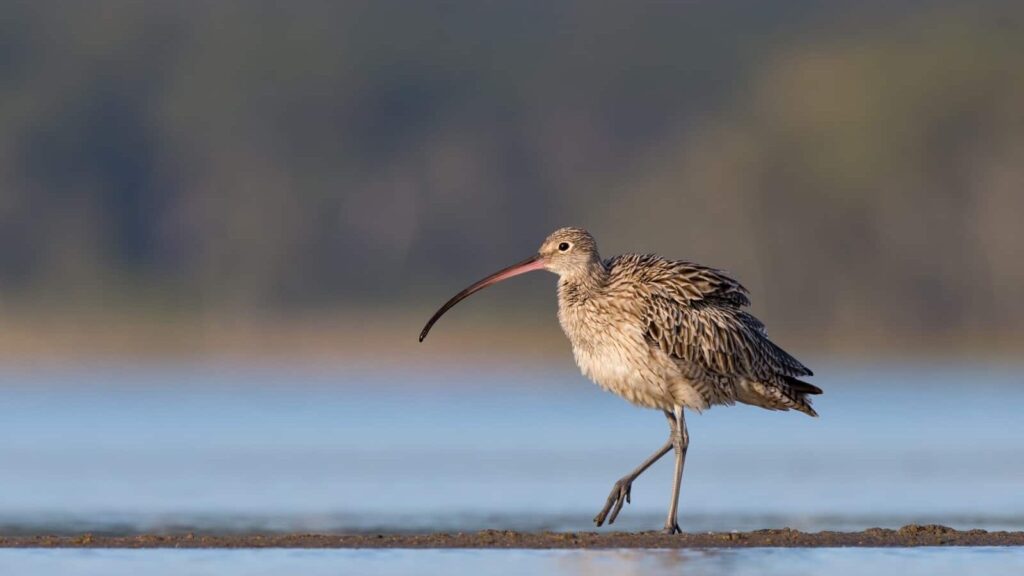
The new Philippines Flyway Project focuses on three wetland sites prioritised by the RFI: Candaba Wetlands, Lake Mainit, and Sibugay Wetlands. These sites were shortlisted based on their importance to migratory waterbirds like the Endangered Far Eastern Curlew, and some of the largest congregations of migratory ducks in Southeast Asia. The wetlands of Sibugay alone protect some of the most extensive areas of mangroves and mudflats in the southern Philippines.
These birds take incredible journeys twice a year, traveling along the East Asian-Australasian Flyway between their breeding grounds in Northern China and Russia to their wintering sites in Southeast Asia and Australia. Sadly, habitat loss along this route means that they are losing places where they can rest and eat. The Philippines Flyway Project aims to both prevent habitat loss at these sites, as well as manage and restore degraded areas of the wetlands.
Not only will the upcoming project help several waterbird species, but it will also provide for the communities surrounding the wetlands. The Philippines Flyway Project will finance sustainable livelihoods that help with the conservation of the sites.
On top of this, by protecting these ecosystems, this project keeps carbon locked in the land, improving the climate. As the numbers of climate emergencies in the region increase, more and more people depend on these ecosystems for protection. The wetlands provide buffer zones for flooding and reduce wave damage caused by typhoons, like those just experienced in the past two weeks.
“Wetlands in our region face mounting threats from reclamation, degradation, and urban expansion, and the EAAF is considered the most threatened of the world’s major flyways”
ADB Vice-President for East and Southeast Asia, and the Pacific Scott Morris
The Philippines Flyway Project is now the second project to launch under the Regional Flyway Initiative (RFI). In 2021, BirdLife International, the East Asian-Australasian Flyway Partnership and the Asian Development Bank joined forces to develop the RFI. Together, we identified 150 sites across the EAAF that are critical for migratory birds. The Regional Flyway Initiative is now seeking funding to support conservation at these sites to improve biodiversity, livelihoods and climate resilience.