Coastal Conservation Protects Millions of Migratory Birds
Last month, governments and conservation groups met at the World Coastal Forum in Yancheng, China to address safeguards for coastlines globally.
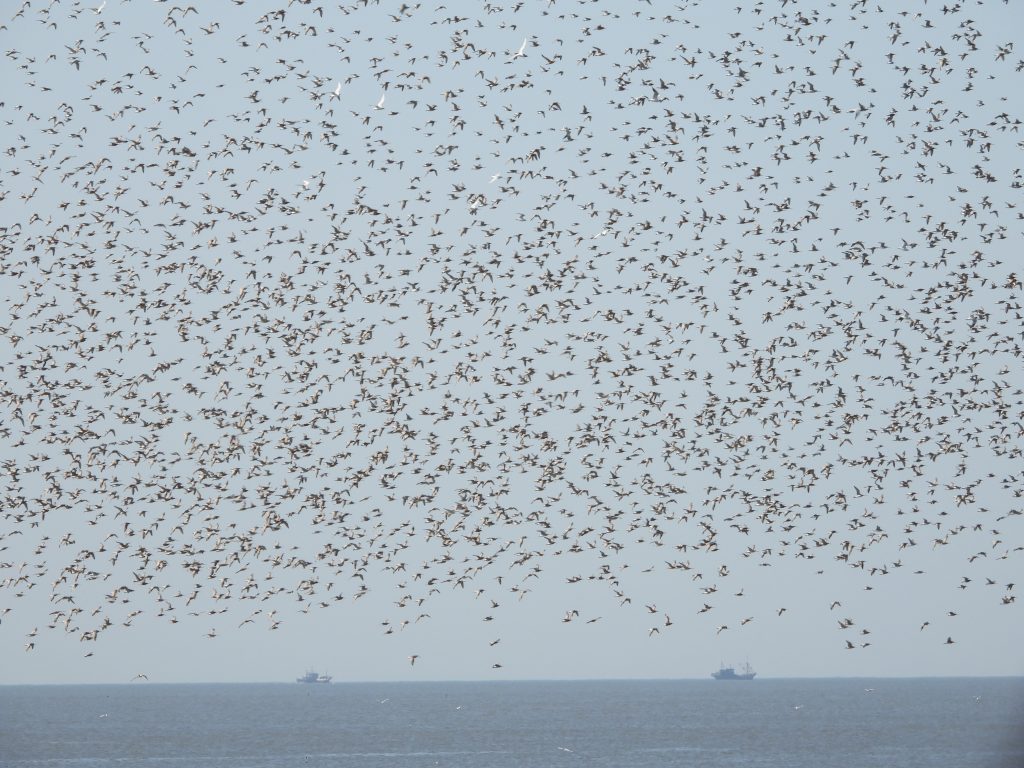
As you read this, millions of shorebirds are taking to the sky. These migratory birds will skirt thousands of kilometres of coastlines before reaching a warmer climate to spend the winter. But coastlines across the planet are changing quickly, whether it’s from development, pollution or climate change. That is why from September 25-27, world leaders gathered to discuss protections for these coastlines at the World Coastal Forum in Yancheng, China.
The World Coastal Forum has been an opportunity to turn ideas into action. In the past several years, attendees at the World Coastal Forum have discussed and implemented solutions to resolutions proposed at both the Ramsar Convention and the Convention on Biological Diversity. One such solution has been the designation of UNESCO World Heritage Sites along the Yellow Sea. Last year, five migratory bird sanctuaries in China were designated as world heritage sites. Before that, in 2021 UNESCO awarded the designation to four tidal flats in South Korea. Together, these designations secure the longevity of the sites as wild places and puts them in the same status as famous historical sites like Angkor Wat and Stonehenge.
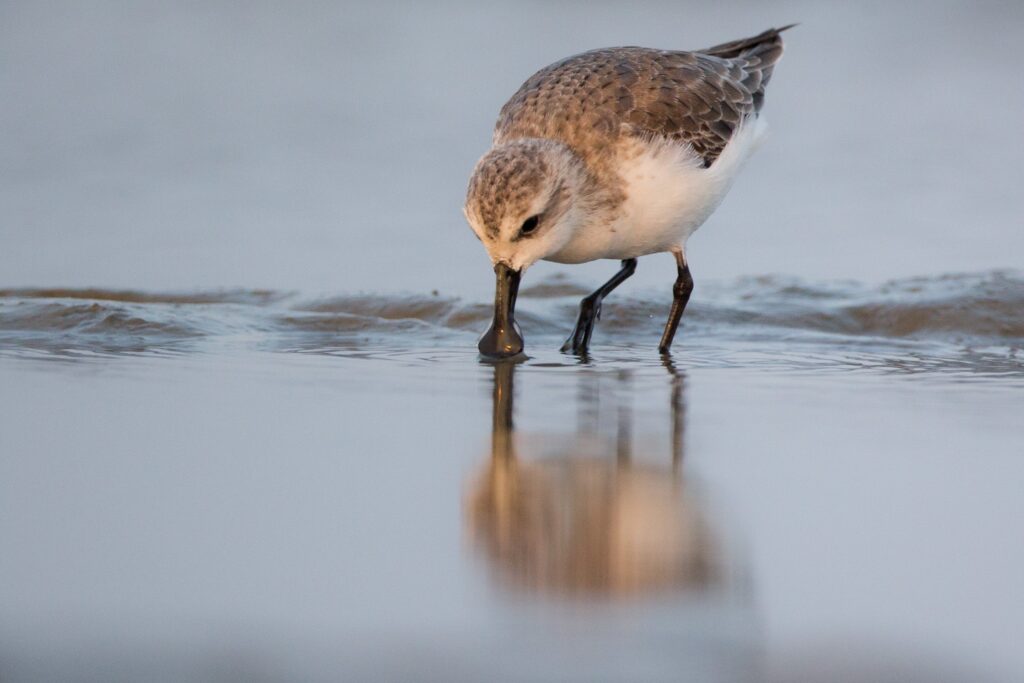
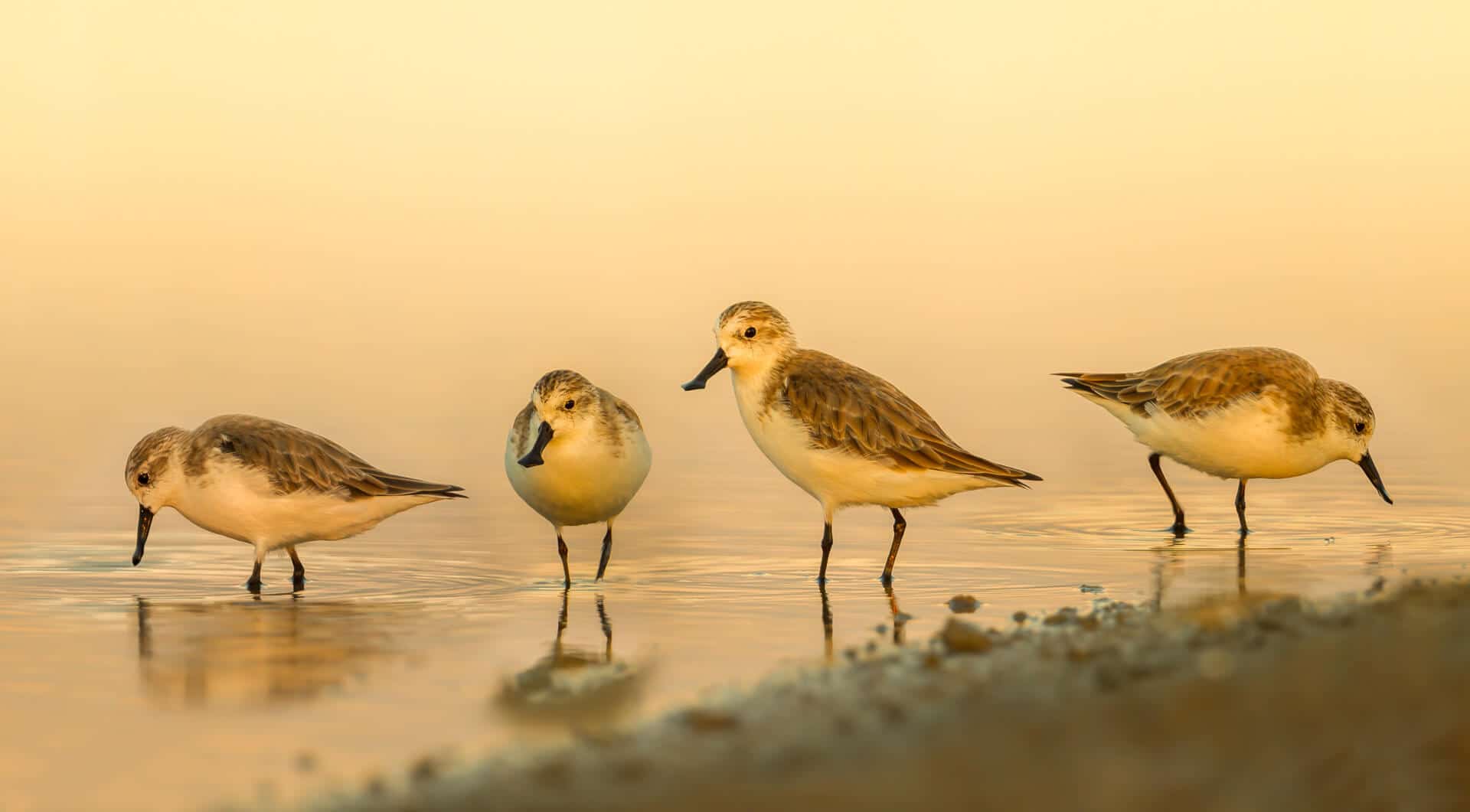
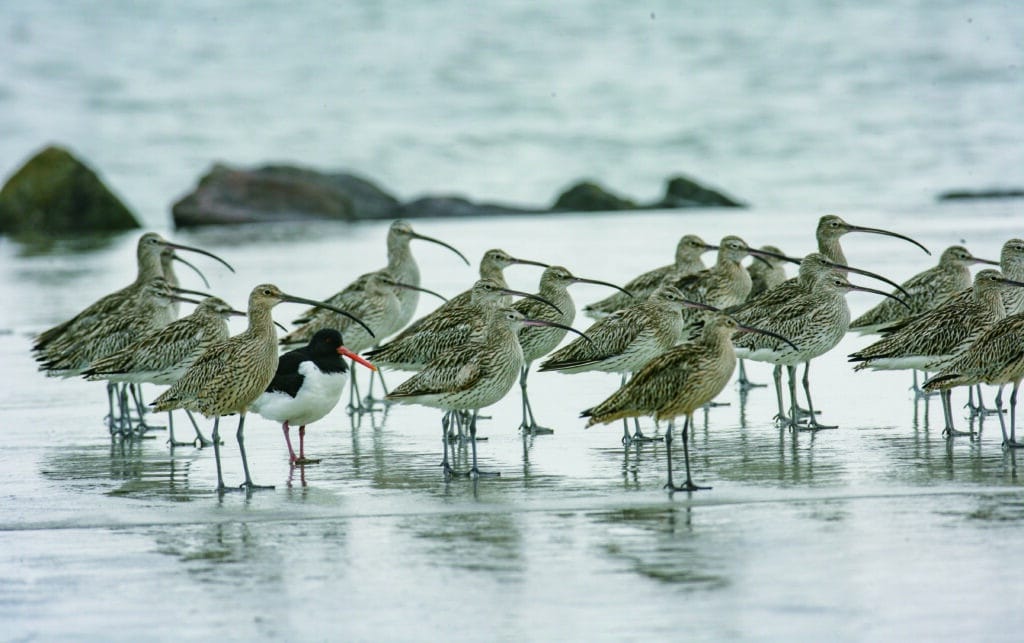
The Yellow Sea world heritage sites are vital habitats for migratory birds in the East Asian-Australasian Flyway. After departing from their summer breeding sites in Siberia, species like the Critically Endangered Spoon-billed Sandpiper and the Endangered Far Eastern Curlew will follow coastlines all the way to Southeast Asia, stopping to rest and eat along the way. These stopover sites along the Yellow Sea coast are crucial for these birds to survive such a long journey.
The majestic migratory birds that wade through the murky shores have inspired culture surrounding the Yellow Sea. Imagery of cranes, herons and sandpipers pepper vases, textiles and paintings in both China and South Korea. They’ve inspired religion, poetry, and fables across Asia. By securing these coasts, both China and South Korea have secured the future of these cultural icons.
Coastal zones aren’t just important for birds, however. Everyone reaps the benefits of a healthy coastline. Daily staples like salt and seafood are harvested from our coasts. Additionally, coasts provide protection from rising sea levels and offer an outlet for rainwater to prevent flooding upstream. Places like the Yellow Sea world heritage sites even provide visitors with opportunities for tourism and relaxation. In turn, such an unspoiled landscape can boost local economies.
Protections like the UNESCO World Heritage designations are invaluable to both birds and people, but not all coastlines can be protected in the same way. Projects like the Regional Flyway Initiative can use a blended finance mechanism to conserve sites for people, climate mitigation and biodiversity.
The inter-tidal ecosystems used by migratory birds in Asia are especially under threat because of population growth and economic expansion in coastal areas. The World Coastal Forum offers BirdLife the opportunity to come together with other conservation professionals working on coastal protection to discuss these threats. It also allows us to directly address decisions taken at environmental fora like the Ramsar Convention and the East Asian Australasian Flyway Partnership to protect biodiversity rich wetlands.
-Vinayagan Dharmarajah, Asia Regional Director, BirdLife International
The World Coastal Forum has provided a platform for governments to drive solutions. It gives recognition to the outstanding impact that coasts have on our lives, and the lives of the shorebirds currently migrating above us.
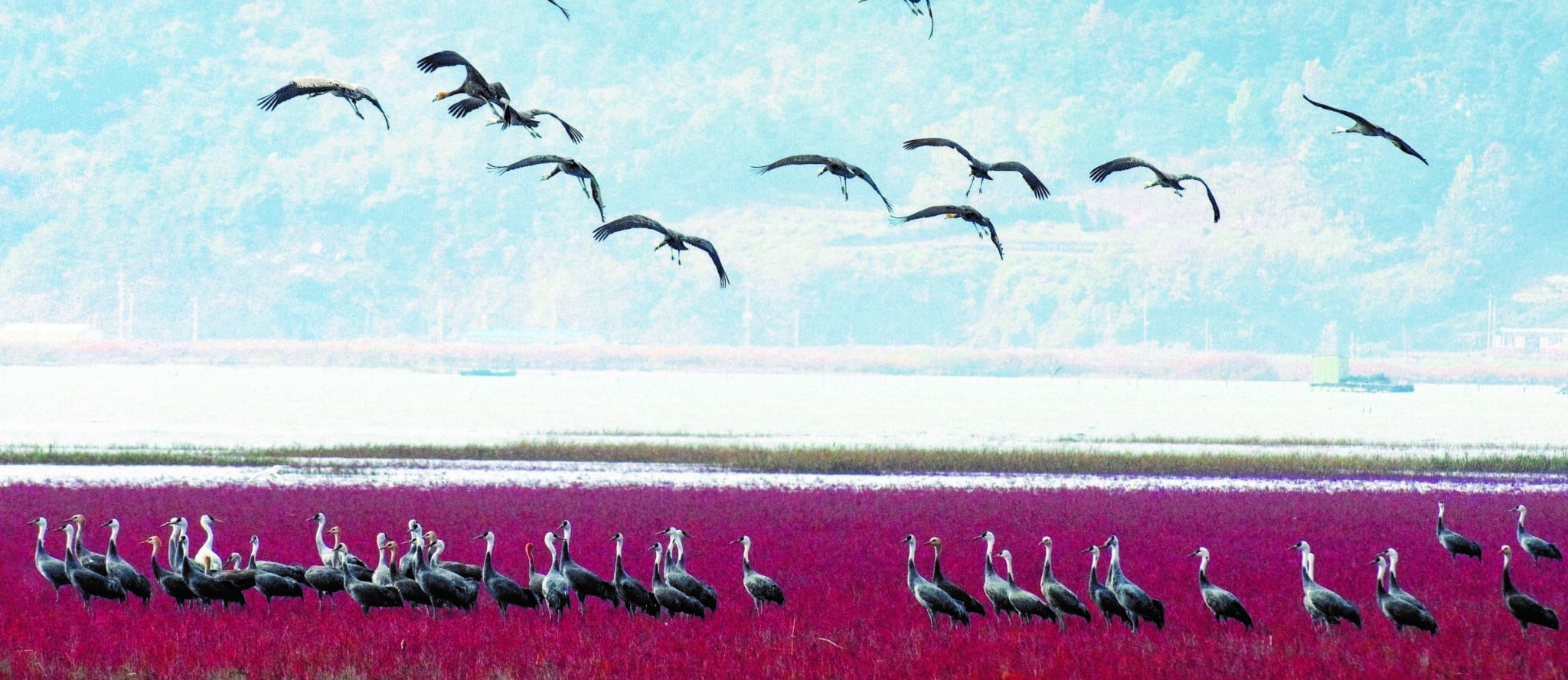
Far Eastern Curlews at the Getbol Tidal Flats UNESCO World Heritage Site in South Korea. Photo from Getbol World Heritage Promotion Team.