Mass culling of Cormorants won’t save fish

Eight Member States request EU Commission to allow hunting of Cormorants.
Sweden called on the European Commission at the Agriculture and Fisheries Council to reclassify the Great Cormorant as a huntable species and to coordinate the management of its populations at the EU level. The request was initially backed by the Czech Republic, Estonia, Finland, Latvia, Romania, and Slovakia. This comes shortly after the FAO released its framework, which aims to reduce Cormorant numbers throughout Europe by developing a European management plan for the Great Cormorant. The draft framework and the wider call to cull Cormorants across Europe do not offer workable solutions to resolve conflicts nor protect fish populations, go against the very principles of species protection in Europe, and undermine decades of conservation efforts.
The push for an EU-wide Cormorant management plan disregards scientific evidence and would be costly, impractical, and unlikely to work on the ground. Research has concluded that reducing populations would have no proportional effect on local conflicts unless Great Cormorants are pushed to the brink of extinction. This is due to the species’ ecology and to the complexity of freshwater and marine ecosystems. As opportunistic predators, Cormorants eat whatever fish are available and will always be drawn to areas where prey fish are abundant, such as aquaculture ponds, regardless of their overall population size.
Reassessing the legal protection status of the Cormorants by moving them to Annex II of the Birds Directive would allow Member States to open a hunting season, but it would do nothing to reduce potential or perceived impacts of the species. Culling has been shown to be largely ineffective at reducing predation. Conflicts are highly localised, and a change in the wider legal status of the species would not improve the situation in affected areas. The current derogation system already provides sufficient flexibility, allowing targeted action where and when needed, while ensuring that measures remain proportionate and that non-lethal alternatives are considered first.
Listing Cormorants as a huntable species would not reduce administrative burden either, as derogations would still be required for interventions during the breeding season, when most conflicts occur. Cormorants are not a game species for hunters, and it is not the main purpose of Annex II to address damage caused by bird species. Besides, adding Cormorants to the list of huntable species might make hunters liable for the damage caused by the birds.
Coexisting with wild animals, even if they cause some damage to human activities, is at the heart of the EU’s species conservation framework. Abundant wildlife is a natural part of healthy ecosystems and crucial for sustaining the benefits these ecosystems provide to people and nature. Reopening the Birds Directive and reducing Cormorant numbers is not a sustainable option, and it will neither solve local conflicts nor replenish fish stocks. It serves as a short-term distraction from the deeper structural issues facing the fishing and aquaculture sectors and does nothing to address the main drivers of fish decline, such as pollution, overfishing, and habitat loss. Culling thousands of birds without solid evidence of predictable outcomes would set a dangerous precedent for wildlife conservation.
Rather, resources need to be better spent on real solutions based on preventing damage locally and restoring ecosystems. That means tackling the main threats and their root causes, such as nutrient pollution from intensive agriculture or barriers in rivers and lakes. Local and targeted conservation interventions stand a better chance of protecting threatened fish species. As for aquaculture farmers, they should be supported with innovative mitigation measures and fair compensation schemes. While there is no one-size-fits-all solution to resolve conflicts, a diverse range of methods can already be implemented, from scaring devices to protective netting and habitat management. These locally tailored approaches offer more effective, sustainable, and long-term answers than indiscriminate mass culling.
Marion Bessol, Nature Conservation Policy Officer, said, “Indiscriminate culling of Cormorants will not solve local conflicts or protect fish stocks, and would set a dangerous precedent for wildlife conservation. We cannot consider nature as if it only belongs to humans and treat native predators as a nuisance. Abundant wildlife is an essential part of healthy ecosystems, and cormorants have as much right to eat fish as we do. Real solutions should focus on coexistence, restoring ecosystems, and tackling the root causes of fish decline, not on endlessly trying to control nature whenever it challenges us.”
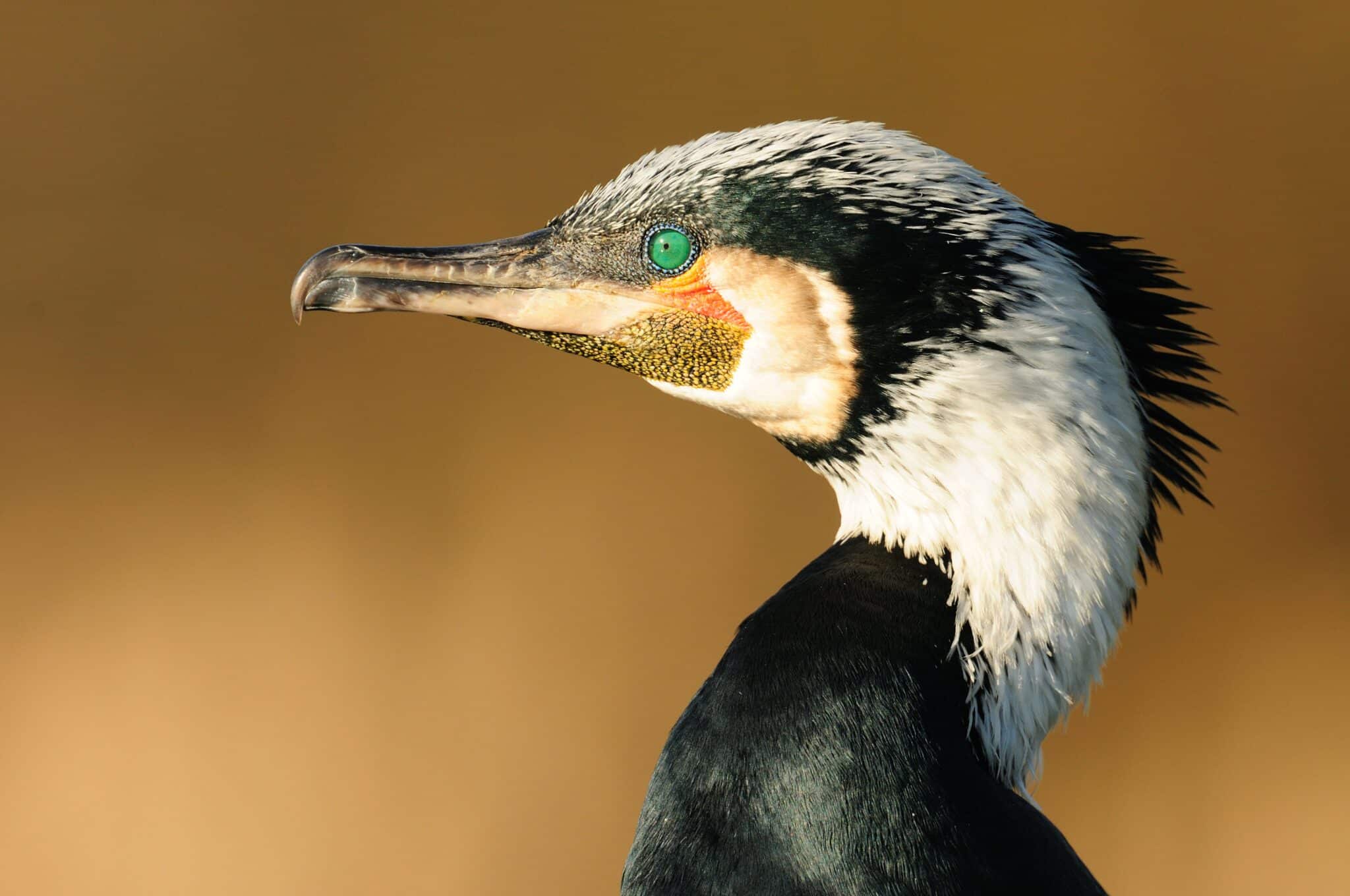
Cover picture by Yves Adams
You might also be interested in:

 |
Stichting BirdLife Europe gratefully acknowledges financial support from the European Commission. All content and opinions expressed on these pages are solely those of Stichting BirdLife Europe. The European Commission is not responsible for any use that may be made of the information it contains. |