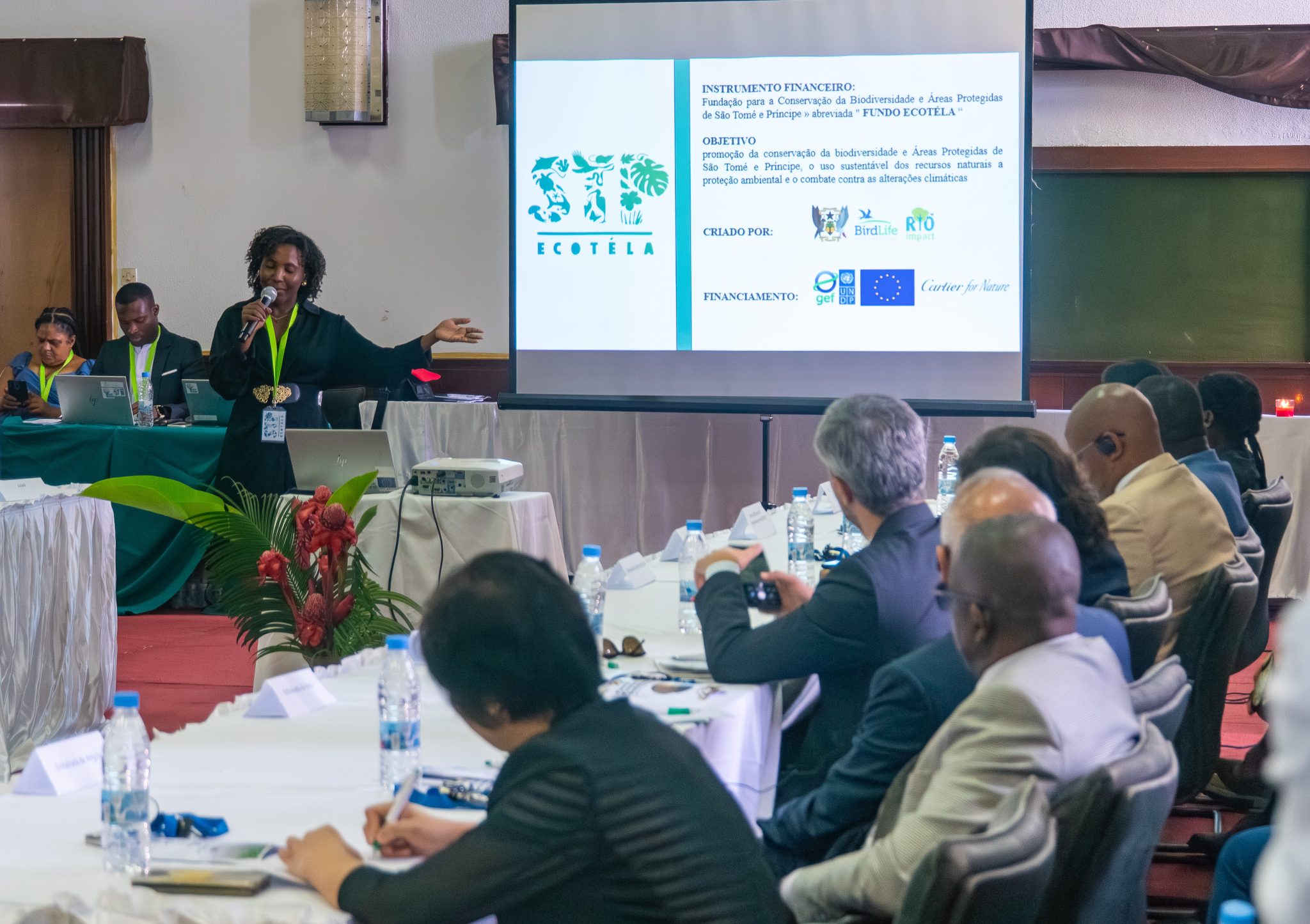
Eco Tela Fund: A new approach to conservation financing in Sao Tome and Principe

Situated in the Gulf of Guinea, the island nation of São Tomé and Príncipe (STP) may be the second smallest country in Africa but it holds some of the continent’s greatest ecological treasures.
By Marquinha Martins & Vânia Trovoada
Situated in the Gulf of Guinea, the island nation of São Tomé and Príncipe (STP) may be the second smallest country in Africa — but it holds some of the continent’s greatest ecological treasures. Despite its small size of just 1,001 km², STP is a biodiversity haven, home to an extraordinary array of endemic species, including plants, butterflies, molluscs, amphibians, reptiles, and rare birds such as the São Tomé Grosbeak (Crithagra concolor) and the Príncipe Scops owl (Otus bikegila). Its large maritime territory holds ecological and biologically sensitive areas, providing key habitats for seabirds and marine megafauna (cetaceans, sea turtles, rays and sharks). Further, its lush rainforests, volcanic landscapes, and pristine coastlines provide a perfect habitat for diverse ecosystems, making STP a vital hotspot for conservation efforts.
Recognizing the need to establish Protected Areas (PAs), to enhance conservation efforts, the São Tomé Obô Natural Park (PNOST) and Príncipe Natural Park (PNP) were established in 2006 (through Law 6/2006 and Law 7/2006). Since then, major milestones have been achieved including declaration of Príncipe Island as a UNESCO World Biosphere Reserve in 2012, increase in STP’s PA network from 32452 ha to 44820 ha, in addition to approval of eight marine PAs.
Conservation Challenges
Despite these efforts, the preservation of PAs has been a major challenge for the national authorities, due to the growing human and environmental pressures, insufficient staffing and financial resources , thus hindering effective conservation efforts. In 2020, PNOST had nearly seven technical staff members: a section head, an administrative officer, four eco-guides, and a cleaner. Today, PNOST lacks human resource to carry out the law enforcement and monitoring surveillance which leaves it 25,274 ha of its area without permanent and efficient enforcement protection and easy target of illegal activities. On its part, Príncipe Natural Park (PNP) faces many of the same challenges as the PNOST, particularly regarding limited human and financial resources. Until recently, the park employed only four members of staff, although two additional hires have been made recently.
These vulnerabilities lead to greater degradation caused by human activities. The proximity of the native and secondary forests protected by PNOST, as well as the forest’s role as a buffer zone, means that the surrounding communities often depend on the area for various ecosystem services, including extracting products such as wood for building houses (85 % of houses are build using timber) or boats, producing charcoal for domestic fuel (cooking), and collecting non-wood products for food and traditional medicine.
Over the years, PAs have relied on project funding to implement management plans, alongside the work to develop governance structures and protocols. These project funds are crucial but not sustainable in the long-term. The cost for managing the terrestrial protected areas is estimated at 11.270.000,00 – 19.600.000,00 STD (539.000 – 938.000 USD) 460.000 -800.000 euros annually, which is not prioritized in the national budget. The development of the EcoTéla Fund supported technically by BirdLife with Rio Impact’s support, and financially by partners such as GEF through UNDP, Cartier for Nature and the European Union, will go a long way to build this sustainability.
Enter EcoTela
In 2022, a comprehensive study conducted as part of the Programme for Preserving biodiversity and fragile ecosystems in Central Africa (ECOFAC’s VI) reaffirmed the significant funding gaps facing protected areas in São Tomé and Príncipe (STP). Complementing this, the Sustainable Finance Plan for Biodiversity and Protected Areas, developed by BirdLife International and Natural Strategies in 2021, highlighted the urgent need for financial resources to support conservation efforts. When considering the additional demands of managing marine protected areas (MPAs), a conservative estimate suggests that approximately 1.7 million USD per year is necessary to sustain both terrestrial and marine protected areas in the country.
This financial gap underscores the importance of establishing a dedicated trust fund—a strategic mechanism designed to mobilize resources for biodiversity conservation and protected area management in STP. The idea of creating such a financial mechanism gained momentum during a multilateral workshop held on June 8, 2021. During this event, key guidelines for the fund’s design were outlined, emphasizing the need for transparent and independent governance that involves a diverse range of public and private stakeholders. This approach aims to build trust at the national level and attract a broad spectrum of technical and financial partners. Additionally, the workshop highlighted the importance of diversifying funding sources, both domestic and international, to ensure the sustainability of conservation initiatives.
Building on this collective interest, BirdLife International initiated the process of designing and operationalizing the fund in 2022. The process began with an intensified national dialogue involving civil society and government actors. A multisectoral interministerial committee was subsequently established, comprising representatives from the Ministry of the Environment, the Ministry of Finance, the Presidency of the Republic, United Nations Development Programme (UNDP), the Central Bank, BirdLife, and the Government of the Autonomous Region of Príncipe. This committee’s dual mandate is to oversee the fund’s development and ensure active engagement and awareness among government officials.
Under the guidance of this diverse group, complemented by various consultations and public communications, the EcoTéla Fund was officially named and its logo adopted in July 2023, during a meeting attended by 34 representatives from 20 institutions. The process culminated in October 2024, when the EcoTéla concept note was validated by 72 stakeholders—including representatives from the central and regional governments, NGOs, development partners, embassies, financial institutions, and the private sector. This collective effort marks a significant step forward in strengthening STP’s conservation financing landscape, promising a more sustainable future for its rich biodiversity.
What is EcoTéla?
EcoTéla is a national, independent trust fund with open governance that will act through three principles:

EcoTéla aims to capitalise at least 1.7 million USD a year at short term, with a long-term capitalization target of 25 million USD.
Significance of EcoTéla
The EcoTéla Fund emerges as a critical instrument in this context. Designed as a groundbreaking financial mechanism, it aims to protect the archipelago’s extraordinary biodiversity while supporting climate resilience initiatives, promoting ecosystem based and nature-based solutions.
Hosted by a local Foundation known as Foundation for biodiversity conservation and protected areas, committed to transparency, accountability, and inclusivity, EcoTéla aligns with international best practices for Climate Trust Funds. Its governance structure involves a diverse array of stakeholders—including government agencies, civil society organizations, local and international businesses, NGOs, and development partners—ensuring representatives, sustainable and result driven strategies.
The engagement of development partners has been crucial in the process.Eric Overvest, Resident Coordinator of the United Nations System in STP, has characterised EcoTéla as:
“A legacy of resilience and experience, surging in a context of increasing urgency in the face of threats to biodiversity and external factors such as climate change.”
Launch of EcoTela and Strategic Planning
Composed of 32 members, representing different sectors with expertise in areas such as advocacy, finance, economy, biology, research, auditing, entrepreneurship, project management, international relations, etc, EcoTéla is managed by 2 governance structures. The governance body includes a General Assembly, Board of Directors, fiscal and investment council, advisory board, ethics committee and scientific and technical committee. These entities support and oversee technical and financial management ensuring alignment with EcoTéla conservation’s vision and mission. These governance bodies will provide, support and orientation to the secretariat, whose role will be to implement the fund’s strategies.
EcoTéla aims to capitalise at least 1.7 million USD a year at short term, with a long-term capitalization target of 25 million USD.
Significance of EcoTéla
The EcoTéla Fund emerges as a critical instrument in this context. Designed as a groundbreaking financial mechanism, it aims to protect the archipelago’s extraordinary biodiversity while supporting climate resilience initiatives, promoting ecosystem based and nature-based solutions.
Hosted by a local Foundation known as Foundation for biodiversity conservation and protected areas, committed to transparency, accountability, and inclusivity, EcoTéla aligns with international best practices for Climate Trust Funds. Its governance structure involves a diverse array of stakeholders—including government agencies, civil society organizations, local and international businesses, NGOs, and development partners—ensuring representatives, sustainable and result driven strategies.
The engagement of development partners has been crucial in the process.Eric Overvest, Resident Coordinator of the United Nations System in STP, has characterised EcoTéla as:
“A legacy of resilience and experience, surging in a context of increasing urgency in the face of threats to biodiversity and external factors such as climate change.”
Launch of EcoTela and Strategic Planning
Composed of 32 members, representing different sectors with expertise in areas such as advocacy, finance, economy, biology, research, auditing, entrepreneurship, project management, international relations, etc, EcoTéla is managed by 2 governance structures. The governance body includes a General Assembly, Board of Directors, fiscal and investment council, advisory board, ethics committee and scientific and technical committee. These entities support and oversee technical and financial management ensuring alignment with EcoTéla conservation’s vision and mission . These governance bodies will provide, support and orientation to the secretariat, whose role will be to implement the fund’s strategies.

The Foundation for Conservation of Biodiversity and Protected Areas of São Tomé and Príncipe, or in abbreviated form ‘ECOTÉLA FUND’ was launched on May 21st. The event gathered over 50 participants from 33 institutions, including embassies, donors, private sector leaders, and authorities responsible for protected areas, during which, discussions emphasized the potential of leveraging local sources of capital. These include payment mechanisms for ecosystem services, beneficiary or degradation-payer principles, and the collection of fees and taxes from protected area entry, fisheries, and tourism activities.
The event served as a call to action: a moment to reflect on strategic priorities, mobilize resources, and set the foundation for the fund’s capitalization and long-term impact.
Combining domestic and international funding sources will be essential to meet the initial capitalization goal of €1.5 million within three years, with ambitions to reach €25 million over six years. This diversified approach aims to ensure sustainable, long-term support for conservation and climate adaptation efforts.
What are the next steps for EcoTéla?
This fund has been receiving support from the President of the Republic since its inception, by announcing it at the UN’s Summit of the Future last year and signing the official concept brochure of the fund. The same engagement is visible at ministerial level, with the creation of the interministerial committee that has been supervising the fund’s operationalisation process.
The fund’s priorities according to the board of directors’ president, Acácio Bonfim:
“Immediate priorities for now include finalizing and implementing the fund’s regulatory and strategic frameworks, recruiting a dedicated CEO to oversee operations, and intensifying fundraising efforts. At the same time, we will build our team’s capacity and seek synergies with Africa’s network of conservation trust funds.”
These actions are essential to unlock the full potential of sustainable finance and to ensure the success and longevity of the EcoTéla Fund.
BirdLife will continue to play an instrumental role in the EcoTéla’s operationalisation, by assisting STP in the effective implementation of the Fund, including capacity building, technical assistance for the implementation of the pilot phase aimed at capitalisation and disbursement windows, and promoting best practices in monitoring and evaluation.
In conclusion, the establishment of EcoTéla marks a significant advancement in the pursuit of environmental sustainability for STP. Its success will depend on coordinated efforts, strategic resource mobilization, and unwavering commitment from all stakeholders involved. The future of the archipelago’s natural heritage depends on decisive action today.
This fund is not merely a conceptual framework, it represents a strategic step forward in securing a resilient future for STP and, in the words of STP’s President:
“The launch of EcoTéla is one of the most important environmental conservation initiatives in STP’s recent history.”
Family photo of guests at the launch event for the Ecotela Fund © BirdLife

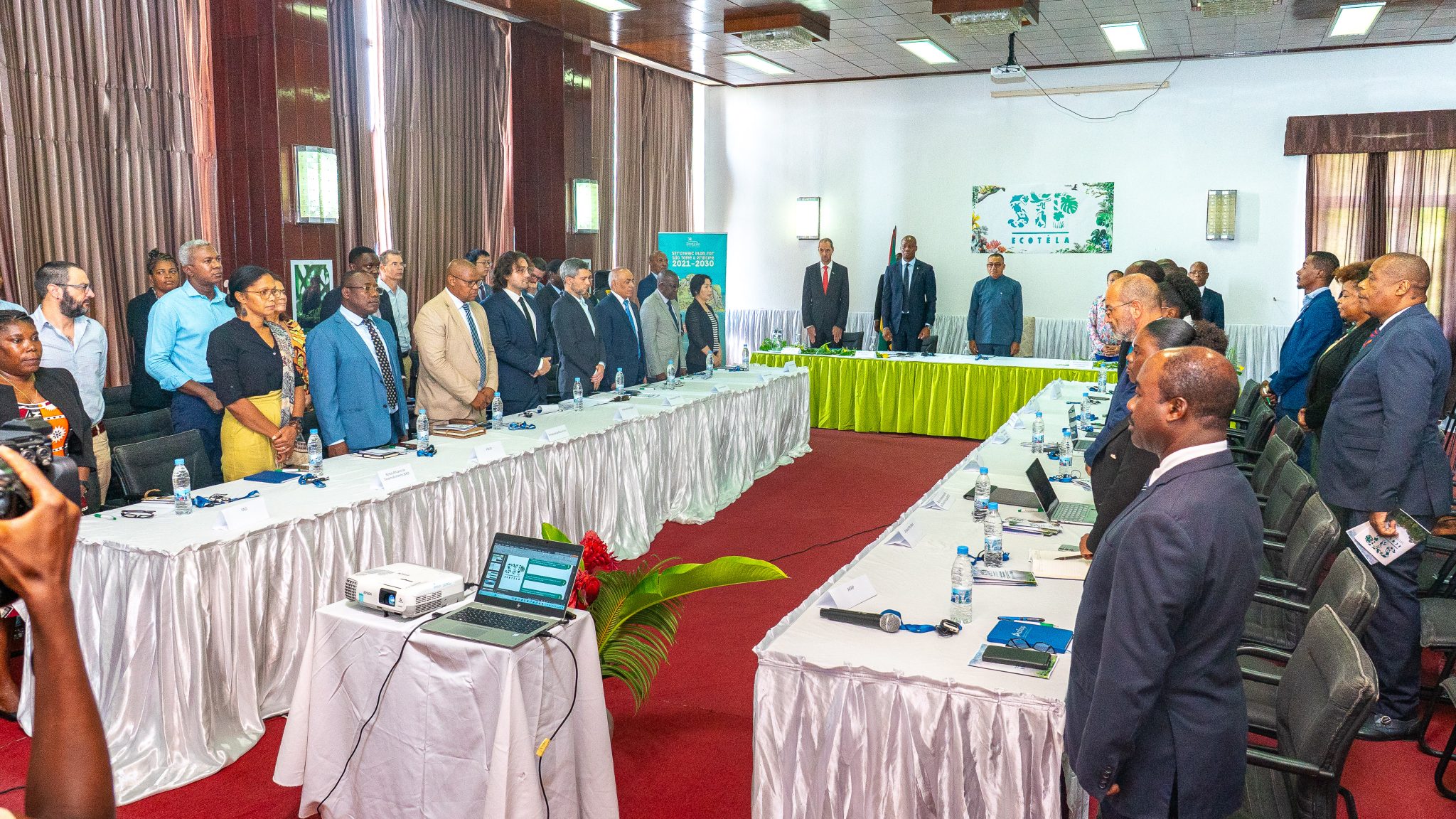


The launch of EcoTéla is one of the most important environmental conservation initiatives in STP’s recent history
His excellency Carlos Vila Nova, President of the Republic of Sao Tome & Principe


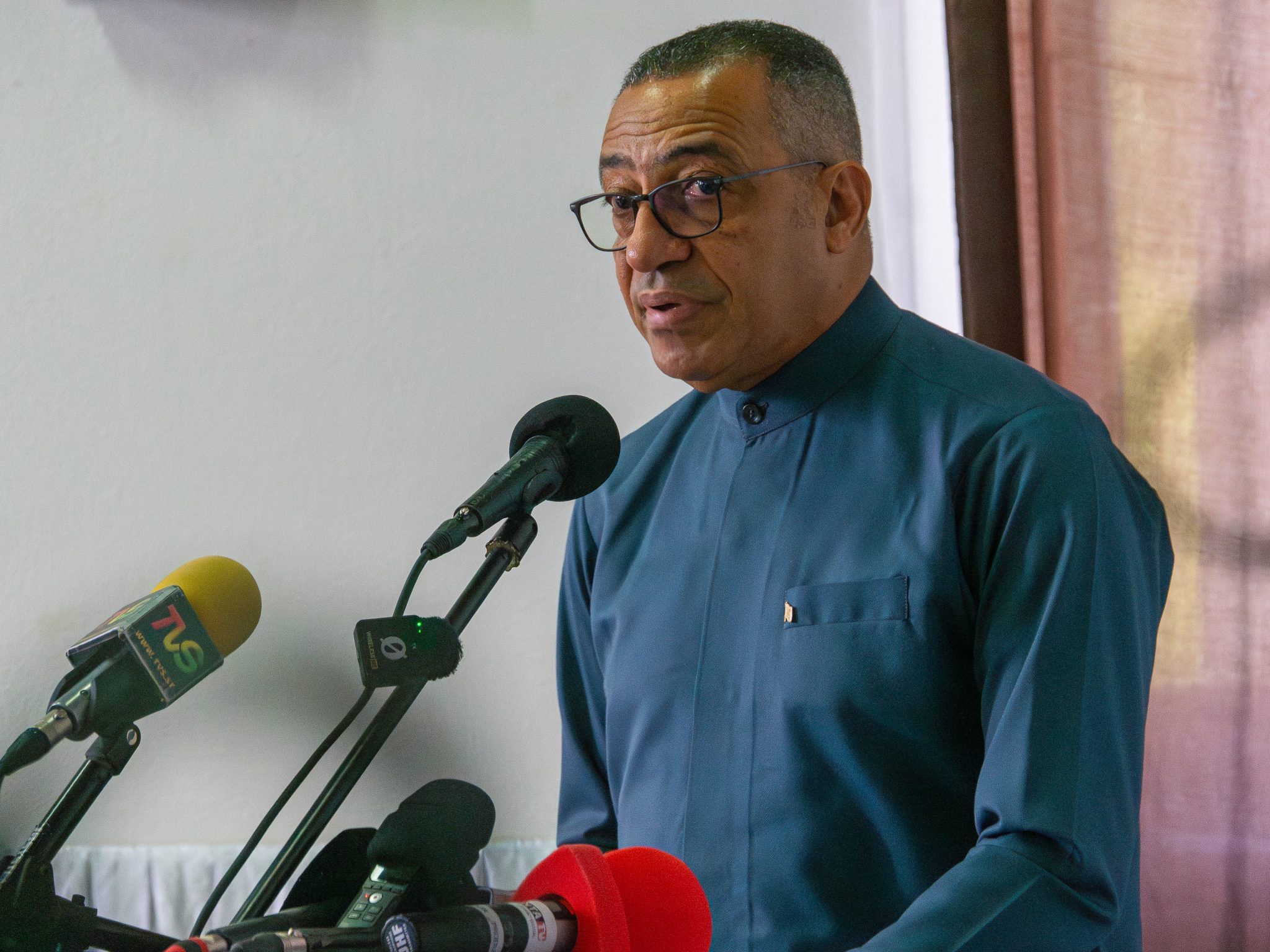


A legacy of resilience and experience, surging in a context of increasing urgency in the face of threats to biodiversity and external factors such as climate change.
Eric Overvest, Resident Coordinator of the United Nations System in STP