Skip to Content
arrow-downarrow-top-rightblueskyemailfacebooklinkedinlocationmagnifypinterestprintredditsearch-button-closesearch-buttontriangletwitter

GlobalFlyways

Soaring across migration routes called flyways, like super highways in the sky, billions of birds cross deserts, mountains and oceans during migration.

When travelling between their breeding and wintering grounds, birds don’t choose their paths at random. They follow set routes that include suitable habitats where they can stop to rest and refuel along the way. Many different species share broadly similar routes, which have been loosely split into four major flyways – think of them as bird super-highways across the sky. At BirdLife, we link together conservation organisations in countries along the length of the flyways, combining resources and coordinating action to protect birds on every step of their route.

Protecting livelihoods

The network of habitats that migratory birds depend upon is also vital for millions of people. Wetlands and coastal areas are a key source of income, food and protection from storms for the communities that live there. If we protect migratory birds, we also protect these places for the people who depend on them.
A vast network of habitats

To survive their arduous journeys, migratory birds rely upon an interconnected network of habitats that enable them to stop, rest and feed along the way. This means to protect migratory birds, we must protect everywhere they go along the flyways.

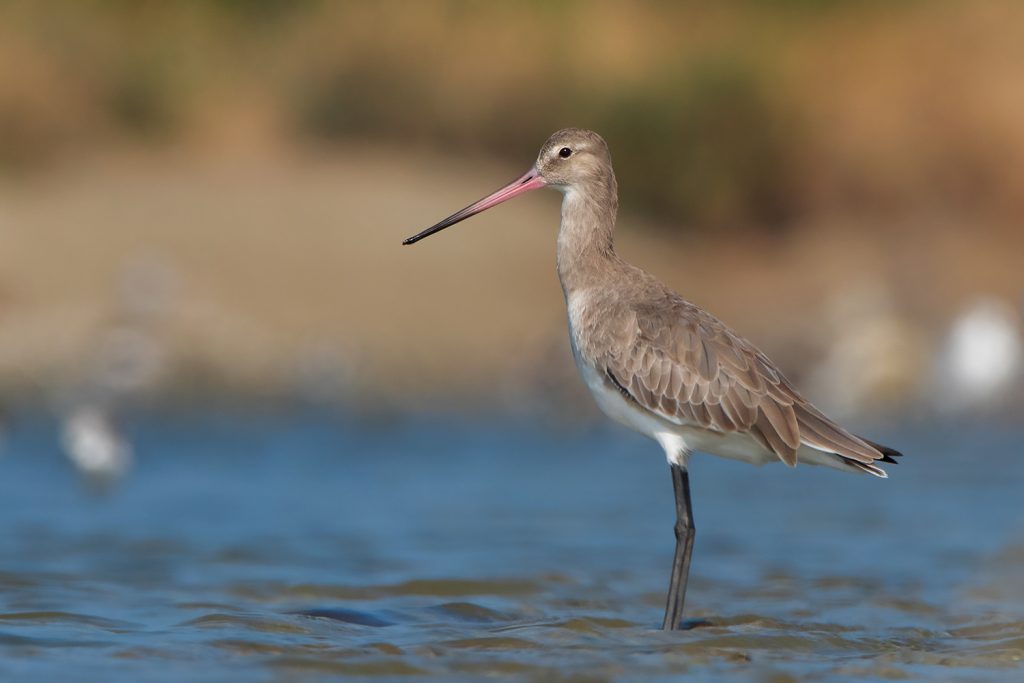
Loss of nesting habitat owing to wetland drainage and agricultural intensification is the main threat faced by Black-tailed Godwit. © Ayuwat Jearwattanakanok

BirdLife International has developed and implemented ambitious initiatives for each of these four flyways.  They share an innovative approach by bringing together our 124 local Partners, local communities, important development banks, and other financial and regional institutions to power transformative, integrated and scaled-up regional climate and nature solutions.

Our pilot project united the Asian Development Bank, the East Asian Australasian Flyway Partnership and BirdLife to mobilise $3 billion in investments over ten years. Together, we will protect, restore, and sustainably manage a vast network of threatened natural wetlands, including mangrove forests, peatlands, marshes, tidal mudflats, and coral atolls.

These biodiversity-rich wetlands provide vital ecosystem services to nearly 200 million people, sustaining agriculture, fisheries, and tourism. With more than 50 million migratory waterbirds of more than 210 species using this flyway, protecting their precious habitats along the way is crucial for their survival.

“Our flyway-wide approach is a great example of how we can do this through strong international cooperation. The Asian Development Bank is proud to lead on efforts like this, with a blended approach that brings together effective public and private finance.”

Masatsugu Asakawa, former president of the Asian Development Bank
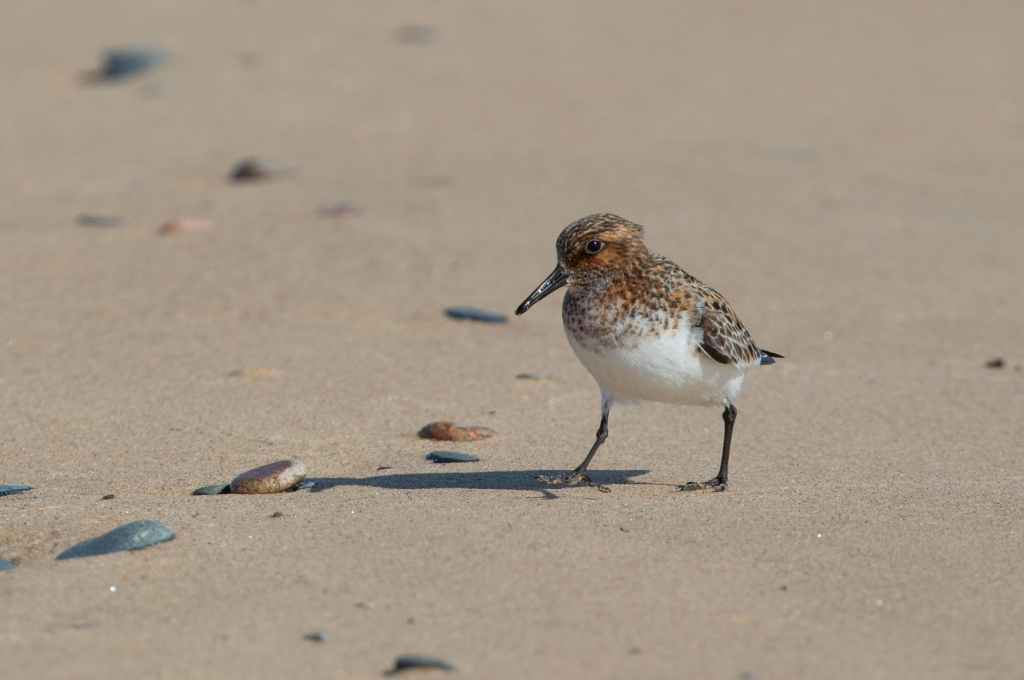
In winter, the Sanderling can be found in suitable habitat almost anywhere in the world. © Cory Gregory/Field Guides Birding Tours
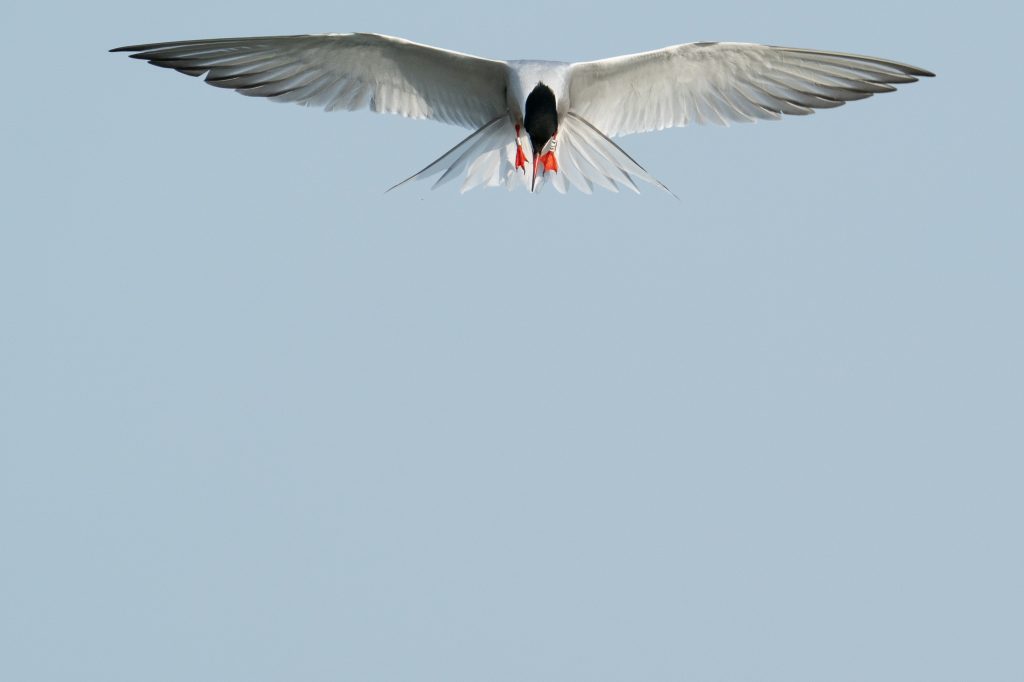
The Common Tern has a circumpolar distribution and can be found breeding in most of Europe, Asia and North America. © Barend van Gemerden

In the Americas, we teamed up with the Development Bank of Latin America and the Caribbean (CAF), and one of our Partners in the US, the National Audubon Society, to protect, conserve, and restore nature while addressing the biodiversity loss and climate change crisis across the Americas Flyway. This migratory route covers North, Central, and South America and the Caribbean, spanning 35 countries from the Arctic Circle in the north to Tierra del Fuego in the south. 

Innovative funding mechanisms from private and public sources will support the Americas Flyways initiative (AFI). It is a first step towards integrating flyway-wide conservation, communications, monitoring, and the governance needed to fully support hemispheric conservation at scale for the benefit of birds, biodiversity, nature, and people.

“Not too many years ago, it would have been a rare thing to find thought-leaders from the financial sector sharing the stage with environmental leaders and strategising over bird conservation. It didn’t happen because there was no perceived need. These two worlds did not appear to overlap. Today, the global threat of climate change and species loss has opened all our eyes to how small our world is, how connected we all are — and that all living things are, or will, feel the impact of our changing climate.”

Elizabeth Gray, CEO of National Audubon Society
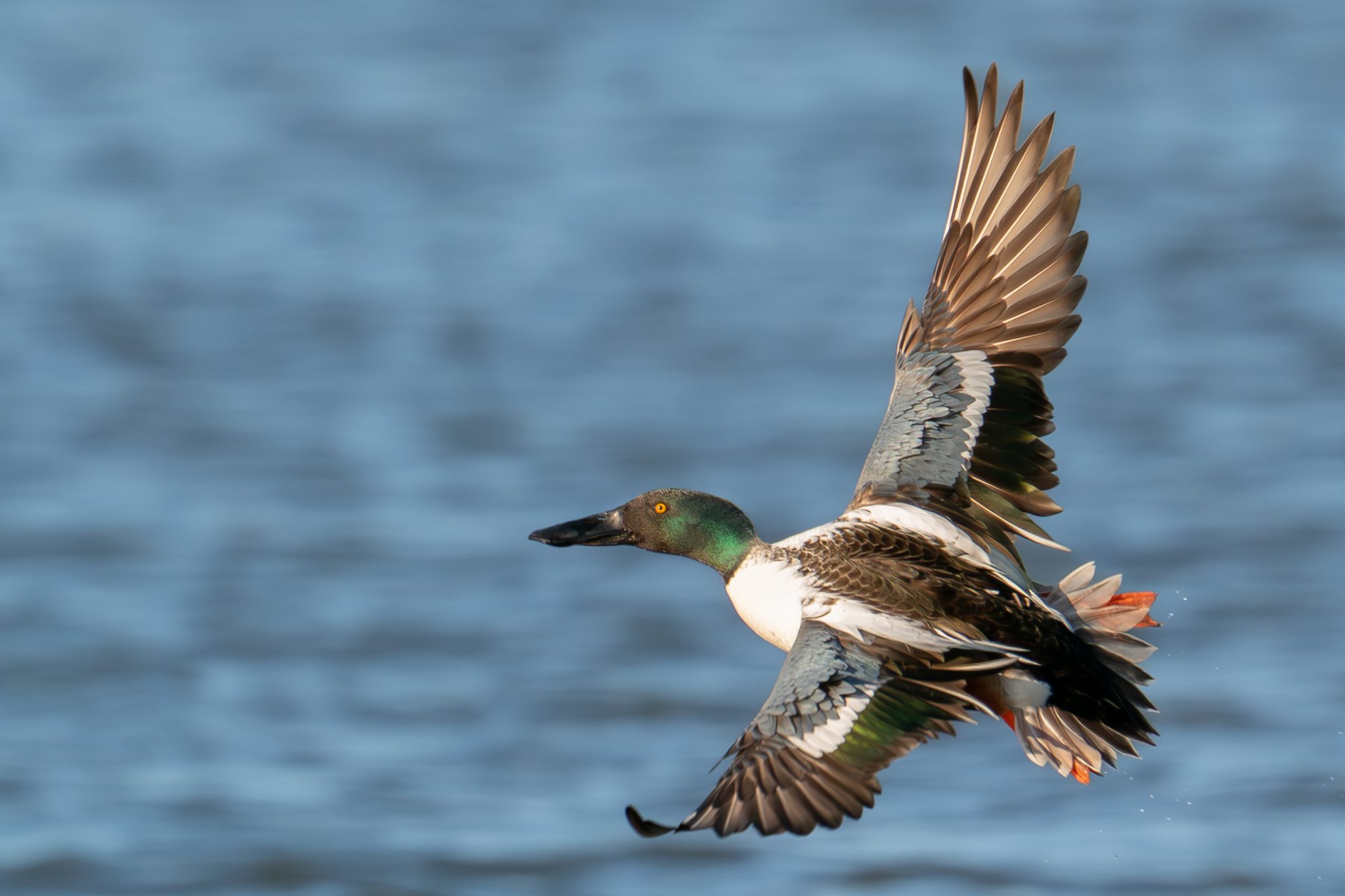
Although it can be found all year round in parts of Europe, the Northern Shoveler is a highly migratory species. © Barend van Gemerden
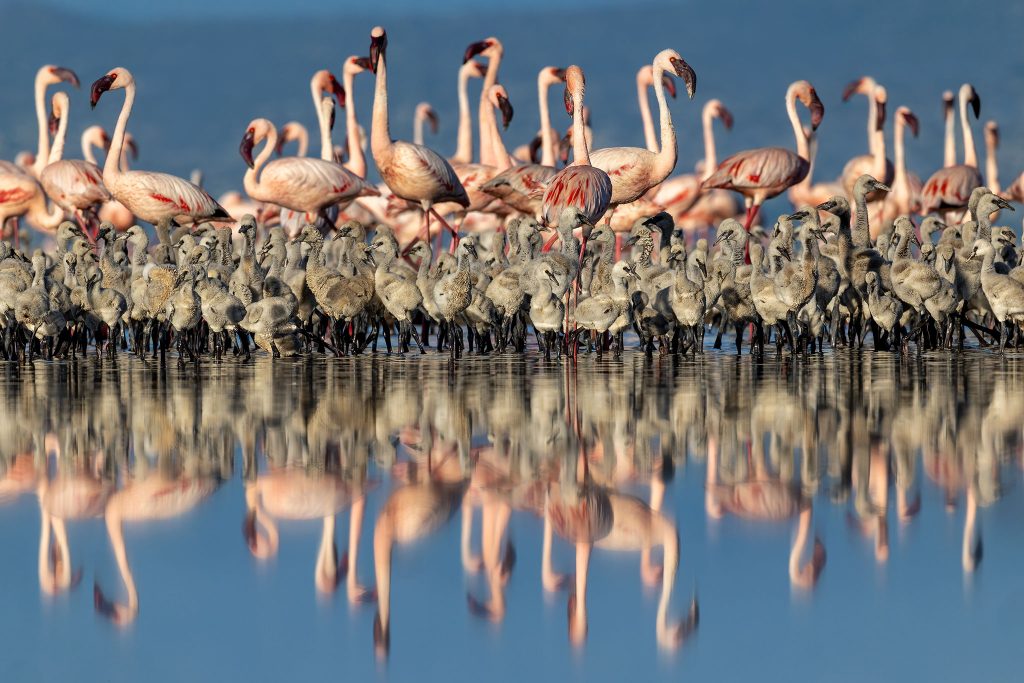
Adult-Lesser-Flamingos-stand-behind-a-creche-of-chicks-in-the-shallow-waters-of-south-west-Lake-Natron-
Lake Natron in Tanzania is a key site for Lesser Flamingos. © Paul Mckenzie

And just last year, we established a partnership with the World Bank to scale up conservation of the African-Eurasian Flyway. This extraordinary flyway is a critical migratory route linking cultures, landscapes and people across the great continents of Africa, Europe and the Middle East. Stretching from the Arctic tundra to the very tip of southern Africa, this flyway is used by more than two billion migratory birds and supports more than 500 avian species.

We have built a strategic network of more than 80 national Partners implementing integrated conservation measures for nature, birds and people along this critical flyway. Using birds as our compass, we unite conservation across borders, all over the world, to protect flyways from beginning to end.

“We know that with the right design, infrastructure investments can be made both efficient and reliable, as well as bird-friendly. These win-win options are at the core of the African-Eurasian Flyway Initiative. Working with BirdLife and our clients, the Bank will support development that is good for both people and nature.”

Juergen Voegele, Vice President of Planet at the world bANK
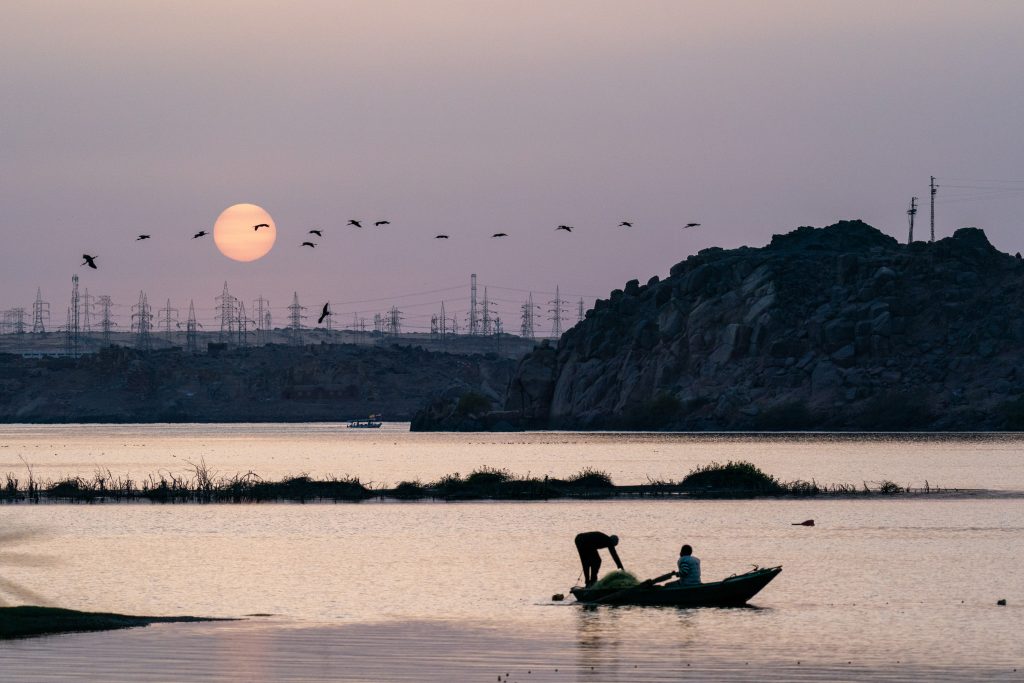
In Egypt, Aswan is an important stopover for migratory birds travelling along the African–Eurasian Flyway. © Barend van Gemerden

All these initiatives share big, continent-spanning ambitions and scaled-up capacity to meet the unprecedented challenges faced by nature. Our unique science shows how integrating communities, sites, and the migratory species that depend on them along the flyways makes a sea change in conservation. And only BirdLife has a global partnership of 124 Partners in 119 countries on all continents doing local conservation work informed and informing that science.


BY PROTECTING BIRDS
WE PROTECT ALL LIFE

Select a flyway and follow the migration to see our Regions and Partnership in action

EAST ASIAN-AUSTRALASIAN FLYWAY CENTRAL ASIAN FLYWAY AMERICAS FLYWAY AFRICAN-EURASIAN FLYWAY
AFRICAN-EURASIAN FLYWAY
CENTRAL ASIAN FLYWAY
EAST ASIAN-AUSTRALASIAN FLYWAY
AMERICAS FLYWAY

AFRICAN-EURASIAN FLYWAY


One of the world’s greatest flyways, the African-Eurasian flyway links cultures, landscapes and people across the great continents of Africa, Europe and Asia. With three major routes from the Artic to Southern Africa, the birds on this flyway are some of the most persecuted on the planet, with at least 10% threatened with extinction. BirdLife International and its partners throughout the region are working tirelessly to combat major threats including the illegal killing of birds, collisions with energy infrastructure and habitat loss.


Hero Species

Introducing the White Stork: Known as the bringer of life, hope and good fortune, these majestic birds love people and create huge nests on trees, poles or rooftops! After this painstaking effort, these birds make sure to return to their nests every year. White Storks are no stranger to the dangers on this flyway, affected over the past decade by habitat loss, collisions with power lines, and hunting.

FACTSHEET


500+
Species

100+
Countries

80+
BirdLife Partners

CENTRAL ASIAN FLYWAY


Although it’s the shortest of the world’s flyways, the Central Asia flyway is used by more than 600 migratory bird species. It also covers 30 countries, ranging from the cold of Siberia in the north to the tropical islands of the Maldives – some birds migrating in this area cross the mighty Himalayas many times throughout their lifetime! More than 48 species that use the Central Asian Flyway are globally threatened and 40% are in decline. BirdLife Partners in the region work together to provide safe havens for migratory species, fighting the impacts of hunting, habitat degradation, human disturbance and climate change.


Hero Species

With striking black stripes and a bright yellow beak, the Bar-headed Goose is an impressive migratory bird! Between 97,000-118,000 Bar-headed Geese cross the Himalayas (including over Mount Everest) several times throughout their lives. They have special physical adaptations to survive this incredible altitude and choose specific times of day to fly when the air is cooler and denser.

FACTSHEET


600+
Species

30+
Countries

8
BirdLife Partners

EAST ASIAN-AUSTRALASIAN FLYWAY


The East Asian-Australasian Flyway is the most densely populated flyway in the world, supporting almost 2 billion people! It also incredibly species-rich with 600 bird species traversing across its 37 countries from Alaska to Southeast Asia, Australia and New Zealand. BirdLife International’s Flyways Initiative with the Asian Development Bank will mobilise $3 billion to protect 50 priority wetland sites within the zone, benefitting both the migratory birds and nearly 200 million people who rely on these ecosystems for their livelihoods.


Hero Species

Although the East Asian-Australasian Flyway hosts a huge array of birds, you can also find some of the most endangered birds in the world on this unique flyway. The Spoon-billed Sandpiper is a gorgeous wader, so named for its uniquely shaped beak specially designed for feeding on marine invertebrates! Despite being less than 800 spoon-billed sand pipers left in the world, a huge conservation effort to save them is underway so there is still hope yet for spoonie!

FACTSHEET


600+
Species

37
Countries

15+
BirdLife Partners

Working with Communities Along the East-Asian Australasian Flyway

AMERICAS FLYWAY


The Americas Flyway is the most species-rich in the world, impressively hosting over 2000 different bird species! Spanning the continent from Tierra del Fuego in Southern Argentina to the Arctic Circle in the North, the Americas Flyway contains three migratory routes that cross 35 countries. 90 species on this flyway are globally threatened. BirdLife International is working with Audubon (BirdLife Partner in the USA) and CAF (The Development Bank of Latin America) to pioneer blended financing to protect vast areas across the flyway. The Americas Flyway initiative will mobilise funding to protect 30 sites across the migration routes, protecting birds, their habitats and the people who depend on them.


Hero Species

The Rufous Hummingbird is a small but mighty migrant! At just 3 inches long, this brightly coloured bird flies over 3000 miles on their migration journey! They also have a fantastic memory, remembering where to find food even one year later, and are fiercely territorial fighting off larger species that venture too close.

FACTSHEET


2000+
Species

35
Countries

14+
BirdLife Partners


Here's how we protect the flyways


News from the Global Flyways

Play your partto protect migratory birds

Your support is critical to ensure that we can continue to deliver high-impact and long-term conservation for both people and nature.