Supporting Livelihoods
Our plans consider the needs of the nearby communities, providing opportunities for job growth in sectors like sustainable agriculture, aquaculture and tourism.
As a global Partnership, we believe in internationalism. We have translated as much content in your language as our resources allow. Please visit the English language site to view all of our content.
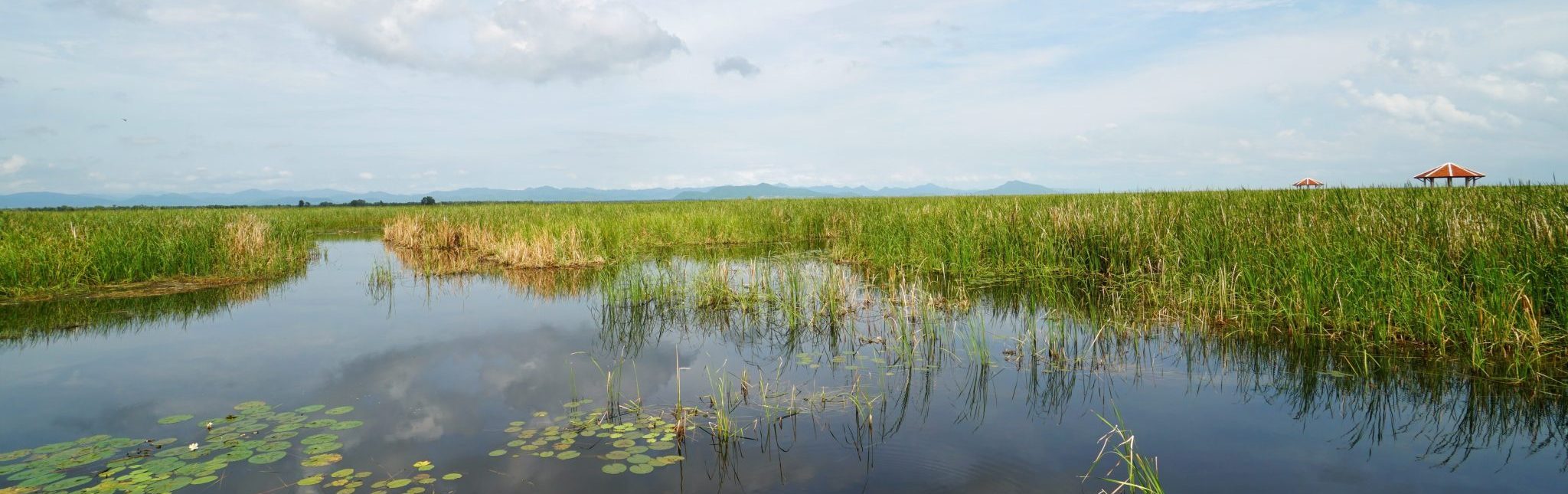
The East Asian-Australasian Flyway covers a diverse landscape ranging from Arctic tundra to tropical wetlands, and the world’s most densely populated cities to coastal mudflats that are thousands of hectares wide. The birds of the East Asian-Australasian Flyway reflect this diversity with cranes rising nearly two meters tall, down to sandpipers weighing in at just a few grams.
These birds’ extraordinary migrations connect the lives and cultures of nearly 2 billion people and 37 countries.


Investing in the future
Our plans consider the needs of the nearby communities, providing opportunities for job growth in sectors like sustainable agriculture, aquaculture and tourism.
Waterbirds, mammals, fish and insects all require healthy wetlands to thrive. Civil Society Organisations and Governments across the flyway are in the field, working to restore and improve these habitats.
Nearly 200 million people actively rely on these wetlands. A healthy wetland stores carbon and protects people from climate impacts across urban and rural areas alike.
Through the Regional Flyway Initiative, with partners the Asian Development Bank and the EAAF Partnership, BirdLife makes the connections between responsible investments and the people working on the ground. Civil Society Organisations play a critical role in enabling and sustaining these investments long-term. These funds improve the three program areas above, ultimately proving to be a more sustainable investment than unchecked development. By integrating community and environmental priorities into economic planning, we are creating a win-win scenario.
Our on-the-ground Partners and affiliates work across the entire East Asian- Australasian flyway, and have a track record of success.
Bangladesh
The Sundarbans

Hero Species
The Critically Endangered Masked Finfoot calls the mangroves of the Sundarbans its home. Their unusual green feet are well suited for both swimming and climbing the gnarly mangrove branches.
Protection Measures
We have been working with a local conservation organisation to study these elusive populations of Masked Finfoot. From this research, we now understand some of the drivers of their decline including hunting and habitat changes.
Future Plans
Our research on this species will continue in the future. We also aim to work with local communities to empower the protection of the species. We can do this by addressing trapping and creating sustainable tourism opportunities. Local conservation organisations can help us to provide community training and workshops, and develop responsible birdwatching materials.
Your support is critical to ensure that BirdLife International can continue its work, delivering high impact and long-term conservation for both people and nature.


