Species information
Learn more about each species of penguin and all other birds on our Datazone
As a global Partnership, we believe in internationalism. We have translated as much content in your language as our resources allow. Please visit the English language site to view all of our content.
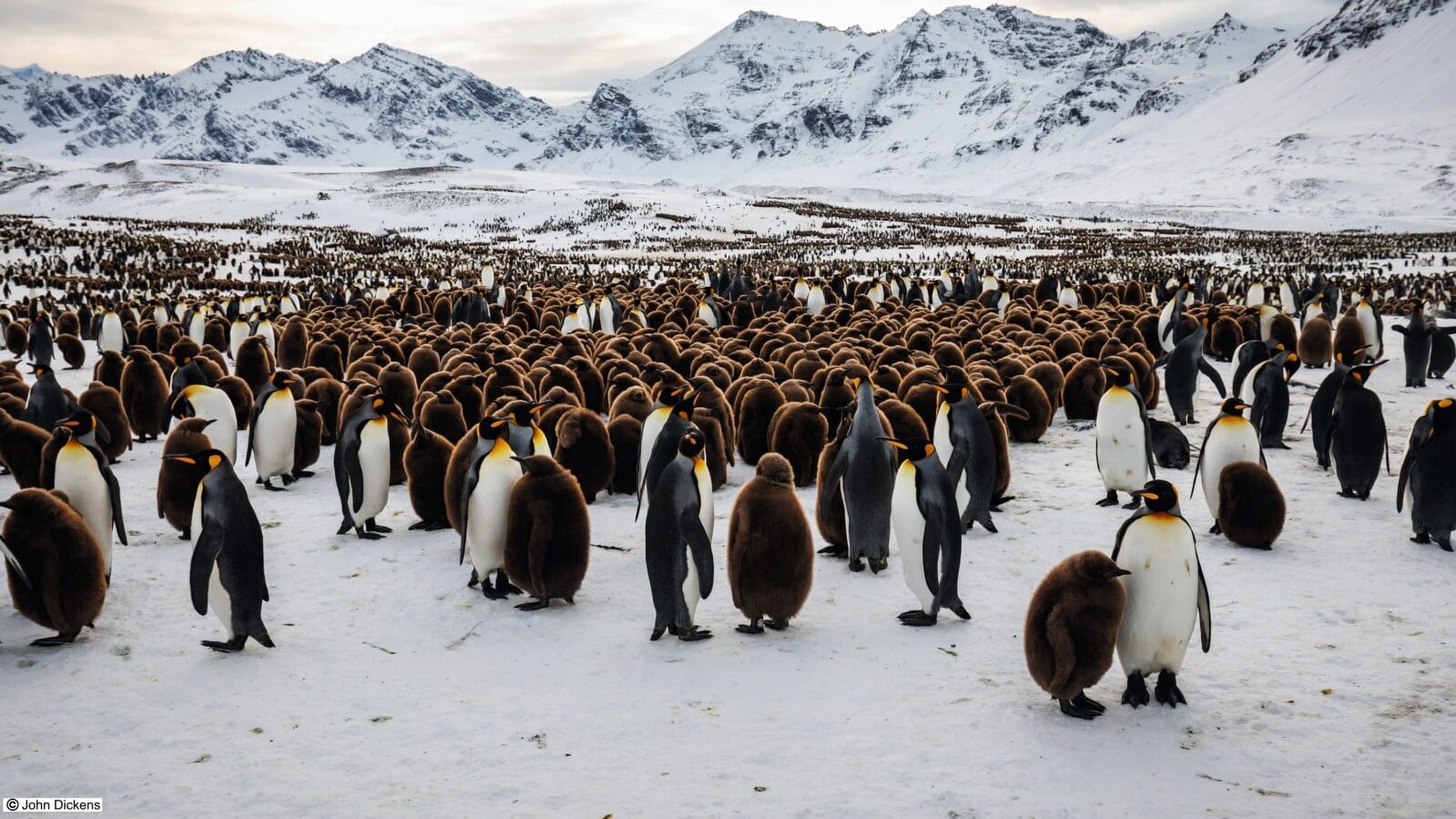
Watching penguins waddle across slippery ice or huddle together for warmth will melt the most frozen of hearts. Here at BirdLife, we can’t imagine a world without penguins. But despite their charm and worldwide popularity, they are marching toward extinction.
Penguins are sadly one of the most threatened groups of seabirds. Out of the 18 species, 67% are experiencing population declines, with nine species Globally Threatened on the IUCN Red List. However, two species’ populations are increasing, and three species are relatively stable.
While penguins are well adapted to their environments, human impacts are hitting their habitats too hard and too fast for them to cope. The threats are numerous, including habitat loss, pollution, disease, and reduced food availability due to commercial fishing. Climate change is of particular concern for many species – especially Emperor Penguin, as the sea ice that they depend on is melting before their eyes.
Family: Spheniscidae
Diet: Carnivore
Life span: 15–20 years
Weight: 1-40 kg
Group name: colony, rookery, or waddle (on land), raft (at sea)
Learn more about each species of penguin and all other birds on our Datazone
Did you know?
Most penguins live around frozen Antarctica, where they experience some of the most extreme conditions on Earth. When it’s particularly cold, large groups of penguins – sometimes in the millions – will huddle for warmth, rotating so each one gets a turn in the warm middle. This behaviour among Emperor penguins is so effective that it can cut heat loss by half, with the inside reaching a toasty 37.5°C. Though most people associate penguins with snow and ice, they can also be found in forests in New Zealand, on volcanic islands of the Galapagos and beaches of southern Africa.
Penguins may not be able to fly, but they more than make up for it with their swimming skills – necessary as they spend most of their lives in water. Their tough flippers enable streamlined movements at speeds of up to 15 miles per hour when hunting in the deep where they catch krill, squid, and fish. King Penguins can sometimes dive to depths of 240m, whereas other species opt for foraging in flocks. On land, they stand upright and waddle or run, or when in a hurry can switch to ‘tobogganing’ by lying on their stomach and using their flippers to propel, steer, and brake.
Emperor Penguins are the only penguin species to breed during the cold, dark Antarctic winter. After laying a single egg, the female leaves the male in charge of the egg while she takes a long hunting trip. Rather than sit on the egg like most birds, the male balances the egg on his feet, protected and kept warm in feathered skin called a brood pouch. The male doesn’t feed for the whole time the female is away, which can be as long as two months. Penguin species nest in a range of locations near the ocean, whether on ice or rocky hillsides, or even in temperate rainforests.
How you can help
Our evidence-backed approach ensures your money will always go where it’s needed most
Join the community of Species Champions supporting our work to prevent extinctions
Become a member and join a worldwide community of bird lovers, working to make a real difference